1. What Is the Suez Canal?
The Suez Canal is one of the most significant and strategically vital maritime passages in the world. Stretching across the Isthmus of Suez in Egypt, this man-made waterway provides the shortest sea link between Europe and the lands lying around the Indian and western Pacific oceans. By connecting the Mediterranean Sea at Port Said to the Red Sea at the Gulf of Suez via Port Tewfik, the canal eliminates the necessity for vessels to navigate the long and hazardous route around the southern tip of Africa, via the Cape of Good Hope.
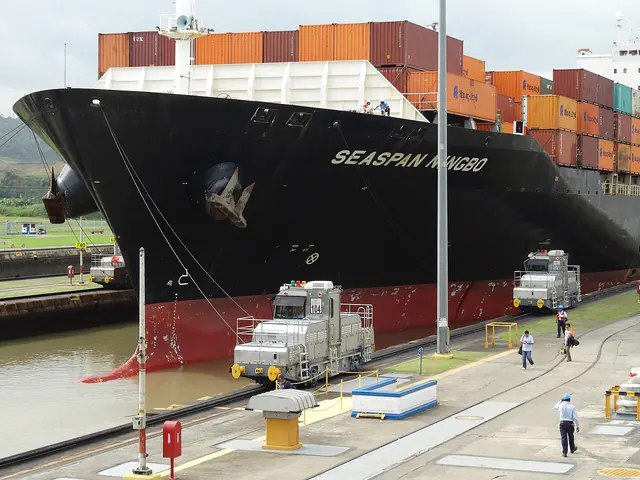
Unlike the Panama Canal, which utilizes a complex system of locks to manage changes in water level between the oceans and its central lakes, the Suez Canal is a sea-level waterway. This design allows for relatively continuous transit, though it presents unique challenges related to depth, draft, and the management of large-scale vessel movements within a confined channel.
The canal is not merely a piece of infrastructure; it is a geopolitical fulcrum. Its control and stability have shaped the history of the Middle East and the broader Mediterranean and Indo-Pacific regions. Today, it remains a primary artery for the movement of energy, manufactured goods, and agricultural commodities, serving as a barometer for the health of global supply chains.
2. Strategic Role and Global Importance
The strategic importance of the Suez Canal cannot be overstated. It serves as the primary “short route” for trade between the manufacturing hubs of Asia and the consumer markets of Europe and the North American East Coast.
Impact on Global Trade
The canal facilitates a massive volume of international commerce. Approximately 12% of all global trade passes through the Suez Canal, including roughly 30% of the world’s total container traffic. The economic value of the goods transiting the canal is estimated to exceed USD $1 trillion annually.
The canal’s role is particularly critical in several key sectors:
- Energy Security: The canal is a vital conduit for the transport of hydrocarbons. It handles an estimated 7–10% of the world’s oil and approximately 8% of liquefied natural gas (LNG) shipments. On any given day, upwards of one million barrels of oil may traverse the waterway.
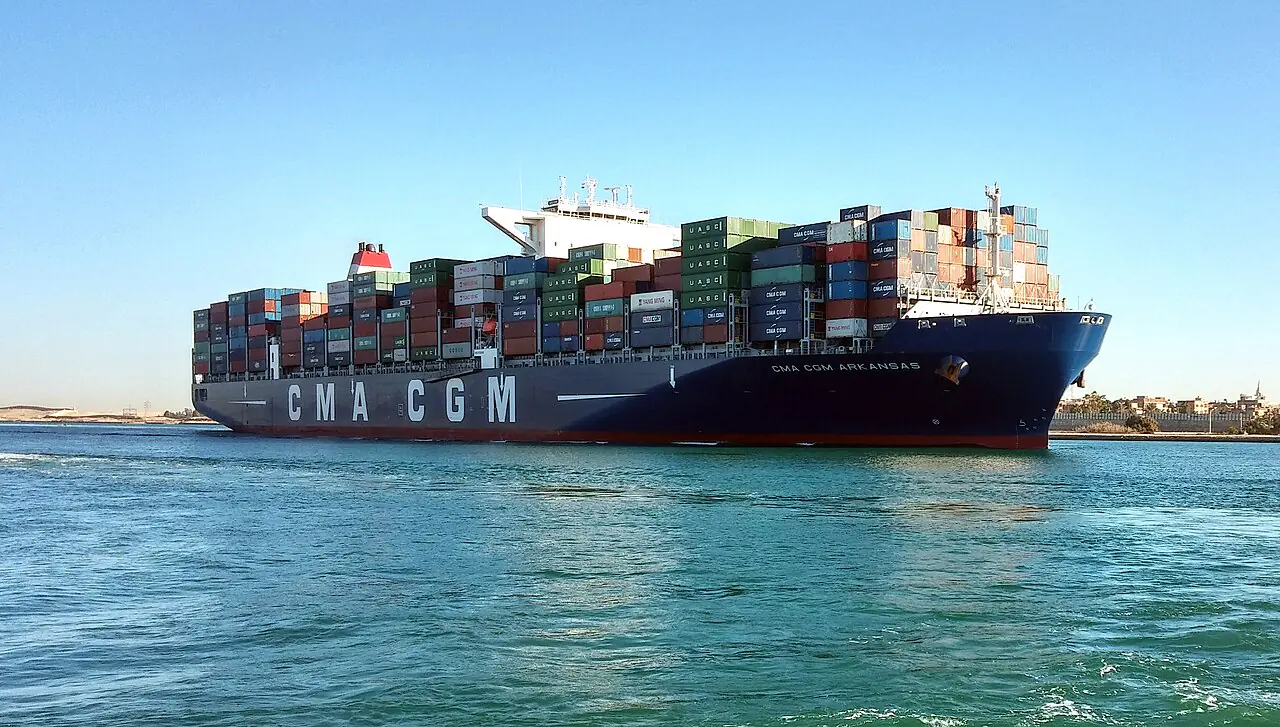
- Containerized Goods: The rise of ultra-large container vessels (ULCVs) has placed increasing pressure on the canal, yet it remains the preferred route for the vast majority of Asia-Europe container services due to the significant fuel and time savings compared to the Cape route.
- Agricultural Commodities: A significant portion of the world’s grain, ores, and metals transit the canal, connecting producers in the Black Sea and Asia to consumers in Europe and beyond.
Economic Significance to Egypt
The Suez Canal is a cornerstone of the Egyptian economy. The Suez Canal Authority (SCA) collects transit fees that constitute a major source of hard currency for the Egyptian state. The revenue generated from these fees is a critical component of the national budget and supports large-scale infrastructure and development projects throughout the country.
3. Design, Engineering, and Dimensions
The Suez Canal is a feat of engineering that has undergone continuous evolution since its inception in the mid-19th century.
Engineering Principles
The canal’s primary engineering characteristic is that it is a sea-level canal. This means there are no locks to lift or lower vessels. Instead, the canal’s depth and width are maintained through constant dredging to accommodate the increasing size and draft of modern merchant vessels.
A unique feature of the canal’s layout is the inclusion of the Great Bitter Lake. This large, saline lake acts as a natural widening and a resting point for convoys, providing a buffer that helps manage the flow of maritime traffic and provides additional maneuvering space for large vessels.
Technical Specifications
The following table provides the current typical technical parameters for the Suez Canal (including the expanded “New Suez Canal” sections):
| Specification | Metric Value | Imperial/Approximate Value |
|---|---|---|
| Total Length | ~193.3 km | ~120.1 miles |
| Design Type | Sea-level | No locks |
| Maximum Depth | 23–24 m | 75–79 ft |
| Channel Width (at 11m depth) | 205–225 m | 673–738 ft |
| Max Vessel Draft | ~22.5 m | ~74 ft |
| Primary Termini | Port Said (North) / Port Tewfik (South) | Mediterranean / Red Sea |
The New Suez Canal Expansion
To accommodate the growing trend toward “mega-ships,” Egypt embarked on a massive expansion project known as the “New Suez Canal,” which became functional in August 2015. This project involved digging a new 35-kilometer parallel channel in the central section of the canal, creating a two-way transit capability for much of the route. This expansion significantly reduced waiting times and allowed for larger vessels and more frequent convoys, greatly increasing the canal’s overall capacity.
4. Infrastructure and Navigation Aids
Maintaining the Suez Canal as a viable global artery requires a massive, continuous investment in infrastructure and technological aids.
Dredging and Maintenance
Because the canal is a sea-level channel subject to siltation and the constant increase in vessel draft, dredging is a continuous and essential operation. The Suez Canal Authority (SCA) maintains a dedicated fleet of specialized dredgers designed to maintain the required depth and width. These vessels work around the clock to remove sediment and ensure that the channel remains navigable for even the largest Suezmax and ULCV vessels.
Navigation Aids
Safe transit through the narrow, often wind-swept channel is supported by a sophisticated array of navigation aids, including:
- Lighthouses and Beacons: Strategically placed to mark the channel limits and hazards.
- Buoyage Systems: High-visibility buoys used to delineate the navigable channel.
- Radio and Electronic Aids: Modern implementations of AIS (Automatic Identification System) and radar coverage allow both the SCA and vessel masters to monitor positions and traffic in real-time.
5. Canal Management and Operational Systems
The operation of the Suez Canal is a highly orchestrated process managed centrally by the Suez Canal Authority (SCA).
The Suez Canal Authority (SCA)
The SCA is the state-owned Egyptian entity responsible for the operation, maintenance, and management of the canal. The authority’s mission extends beyond mere transit; it is also tasked with the development of the Suez Canal Economic Zone (SCZONE), aiming to transform the canal area into a global logistics and industrial hub.
Traffic Management and Control
The SCA employs sophisticated Vessel Traffic Services (VTS) to manage the flow of ships. The canal operates on a convoy system, where vessels are grouped into northbound and southbound convoys. This system ensures that ships move in a controlled, predictable manner, minimizing the risk of collisions and groundings in the narrow sections of the waterway.
6. Transit Operations and Vessel Support
Transiting the Suez Canal is not a simple matter of “sailing through.” It is a highly regulated and assisted operation.
The Convoy System
To optimize throughput and safety, the SCA organizes ships into strictly timed convoys. Typically, one convoy moves from the Mediterranean toward the Red Sea (Northbound), while another moves from the Red Sea toward the Mediterranean (Southbound). Each convoy follows a specific schedule and set of instructions provided by the SCA.
Pilotage and Tugboat Assistance
A mandatory requirement for all vessels transiting the canal is the boarding of an SCA pilot. These pilots possess intimate local knowledge of the canal’s currents, depths, and specific navigational nuances. While the vessel’s master remains responsible for the ship, the pilot provides essential advisory services to ensure safe passage.
Furthermore, large vessels, particularly those with high windage (large surface area above the waterline) or those carrying heavy loads, are often required to use tugboat assistance. These tugs provide additional control and braking power, especially during maneuvers in the Great Bitter Lake or when navigating through narrow sections during high winds.
7. Navigation, Communications, and Safety
Safety is the paramount concern for the SCA, given the catastrophic economic and physical consequences of a canal blockage.
Communication Protocols
Strict communication protocols are maintained between the ship’s bridge and the SCA’s control centers. This includes constant updates on position, speed, and any changes in environmental conditions. All transiting vessels must be equipped with functional radio and AIS equipment to participate in the SCA’s integrated traffic monitoring system.
Environmental and Weather Risks
The Suez Canal region is prone to specific environmental challenges:
- Wind and Sandstorms: Strong, sudden gusts of wind can significantly affect the steerage of large container ships, which act like massive sails. Sandstorms can also reduce visibility to near-zero, necessitating extreme caution.
- Currents and Siltation: Navigating the currents, particularly near the entrances and within the Great Bitter Lake, requires precise handling.
8. The Suez Canal Authority (SCA) and Governance
The governance of the canal has undergone radical shifts, moving from a symbol of European colonial influence to a pillar of Egyptian national sovereignty.
Historical Context: From Concession to Nationalization
The canal was originally established by the Compagnie Universelle du Canal Maritime de Suez, led by Ferdinand de Lesseps, under a concession from the Egyptian government. For much of the late 19th and early 20th centuries, the canal was under significant British and French influence, particularly after the UK’s occupation of Egypt in 1882.
The most pivotal moment in the canal’s modern history occurred on July 6, 1956, when Egyptian President Gamal Abdel Nasser announced the nationalization of the Suez Canal. This act of sovereignty challenged the existing international order and directly triggered the Suez Crisis (the Tripartite Aggression) involving the UK, France, and Israel. The eventual resolution of the crisis solidified Egypt’s control over the waterway and paved the way for the modern era of the SCA.
9. Vessel Requirements and Transit Standards
To ensure the smooth operation of the canal, the SCA enforces strict technical and operational standards for all transiting vessels.
Technical Restrictions
The primary constraints for vessels are draft (how deep the ship sits in the water) and beam (the width of the ship).
- Suezmax: This term refers to the maximum size of vessels (typically tankers) that can safely transit the canal under standard conditions. A Suezmax vessel is generally characterized by a draft that does not exceed the canal’s maximum allowable depth, accounting for a necessary safety margin.
- Width Constraints: While the canal has been widened, ultra-large container ships with exceptionally wide beams still face tight maneuvering margins, particularly in the older, narrower sections.
Reporting and Documentation
Before entering the canal, vessels must provide detailed documentation to the SCA, including their cargo manifest, draft, dimensions, and crew list. This information is critical for the SCA to plan the convoy and assign appropriate pilotage and tugboat support.
10. Regulations, Security, and Inspections
The Suez Canal is subject to a rigorous regulatory and security framework designed to protect both the infrastructure and the global trade it enables.
The SCA Rules of Navigation
The SCA maintains a comprehensive set of “Rules of Navigation” that all vessels must follow. These rules dictate everything from convoy timing and speed limits to the use of tugboats and the responsibilities of the ship’s master and the SCA pilot. Non-compliance can result in significant fines, delays, or the suspension of transit privileges.
Modern Maritime Security Challenges
In recent years, the security landscape of the Suez Canal and its approaches has become increasingly complex.
- Red Sea Security (Houthi Attacks): Since late 2023, a significant security challenge has emerged in the southern approaches to the canal (the Bab el-Mandeb strait and the Red Sea). Attacks on commercial shipping by Houthi-aligned forces have forced many major shipping lines to divert their vessels around the Cape of Good Hope. This detour adds significant time, cost, and fuel consumption to voyages, effectively bypassing the Suez Canal and impacting its transit volumes.
- Piracy: While large-scale piracy in the Red Sea has diminished compared to previous decades, the threat of localized piracy and maritime terrorism remains a constant concern for the SCA and international naval task forces operating in the region.
11. Impact on Global Shipping and Key Transit Vessels
The canal’s operation—and its occasional disruption—has profound effects on the global maritime industry.
Case Study: The Ever Given Obstruction (2021)
On 23 March 2021, the Ever Given, an ultra-large container ship, ran aground in the Suez Canal, completely blocking both northbound and southbound traffic for six days.
The incident served as a stark reminder of the fragility of global supply chains. The blockage:
- Halted the transit of hundreds of ships.
- Caused an estimated delay in cargo worth billions of dollars.
- Triggered a massive backlog at major global ports.
- Demonstrated the extreme difficulty of refloating “mega-ships” in confined waterways.
The Ever Given was eventually freed through a combination of intensive dredging, tugboat assistance, and favorable high tides, but the economic ripples were felt globally for months.
Key Vessel Types
The Suez Canal is a multi-modal artery, carrying diverse vessel types:
- Ultra-Large Container Vessels (ULCVs): The most common type of high-value cargo carriers.
- Crude Oil and Product Tankers: Vital for global energy supplies.
- LNG Carriers: Essential for the transport of natural gas.
- Bulk Carriers: Carrying grain, coal, and ore.
12. Environmental Impact and Future Outlook
As a vital maritime link, the Suez Canal also faces significant environmental and geopolitical challenges.
Environmental Impact
- Lessepsian Migration: The canal has facilitated the movement of marine species from the Red Sea into the Mediterranean (and vice versa), a phenomenon known as Lessepsian migration. This has had significant ecological impacts on Mediterranean biodiversity.
- Dredging and Habitat Disruption: Continuous dredging and canal expansion projects inevitably alter the local seabed and coastal ecosystems.
Future Outlook
The future of the Suez Canal will be shaped by several emerging factors:
- Arctic Shipping Routes: As Arctic ice melts, the Northern Sea Route may offer a seasonal alternative for some Asia-Europe transit, potentially challenging the Suez’s dominance.
- Shifting Geopolitics: The security of the Red Sea remains a critical variable. Continued instability in the region could lead to long-term shifts in shipping patterns.
- Decarbonization: The maritime industry’s transition to greener fuels and more efficient vessel designs will influence the types of ships transiting the canal and the regulatory requirements imposed by the SCA.
13. Facts, Records, and Common Misconceptions
- Myth: The Suez Canal has locks.
- Fact: Unlike the Panama Canal, the Suez Canal is a sea-level waterway with no locks.
- Myth: The canal is a purely international waterway.
- Fact: While it is a vital international artery, it is owned and operated by the Egyptian state through the Suez Canal Authority.
- Fact: The Great Bitter Lake is essential.
- The lake is not just a body of water; it is an integral part of the canal’s engineering and operational design, providing space for convoys and maneuvering.
14. Glossary
- AIS (Automatic Identification System): An automated tracking system used on ships for identifying and locating vessels by electronically exchanging data with other ships, AIS base stations, and satellites.
- Beam: The width of a ship at its widest point.
- Draft: The vertical distance between the waterline and the bottom of the ship’s hull (the keel).
- Isthmus: A narrow strip of land with sea on either side, forming a link between two larger areas of land.
- Lessepsian Migration: The movement of marine species from the Red Sea to the Mediterranean via the Suez Canal.
- SCA (Suez Canal Authority): The Egyptian state-owned authority responsible for the canal.
- Suezmax: The maximum dimensions (specifically draft) a vessel can have to transit the Suez Canal safely.
- ULCV (Ultra-Large Container Vessel): Extremely large container ships, often exceeding 18,000–24,000 TEU (Twenty-foot Equivalent Units).
15. Sources
- Suez Canal Authority (Official Website): https://www.suezcanal.gov.eg/
- Britannica - Suez Canal History: https://www.britannica.com/topic/Suez-Canal/History
- Atlantic Council - Maritime Security Report: https://www.atlanticcouncil.org/in-depth-research-reports/issue-brief/a-lifeline-under-threat-why-the-suez-canals-security-matters-for-the-world/
- UNCTAD - Review of Maritime Transport: https://unctad.org/
- Wikipedia - Suez Canal: https://en.wikipedia.org/wiki/Suez_Canal
- New Zealand Ministry of Foreign Affairs and Trade - Suez Canal Importance: https://www.mfat.govt.nz/en/trade/mfat-market-reports/the-importance-of-the-suez-canal-to-global-trade-18-april-2021