1. What Is This Ship?
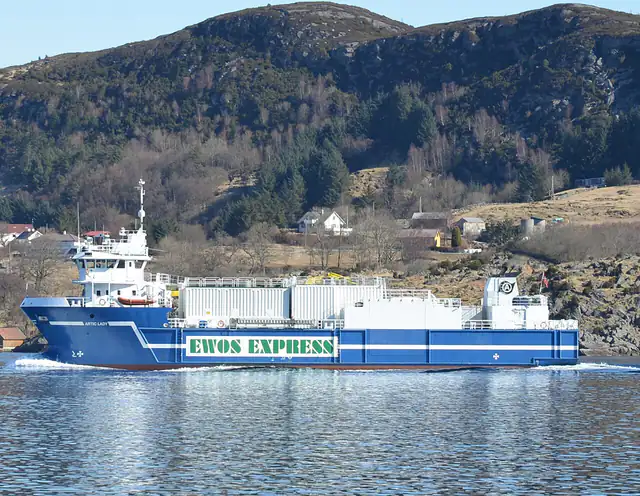
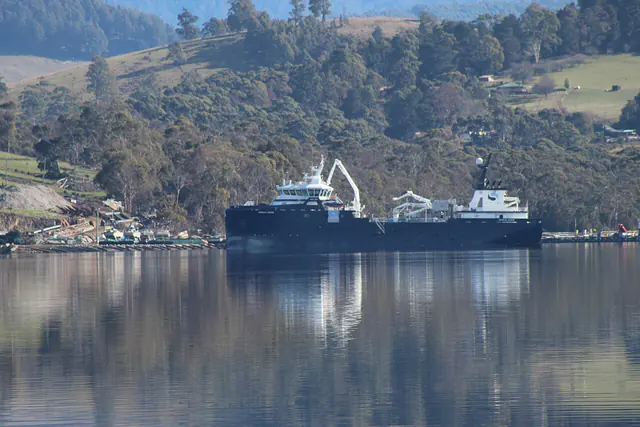
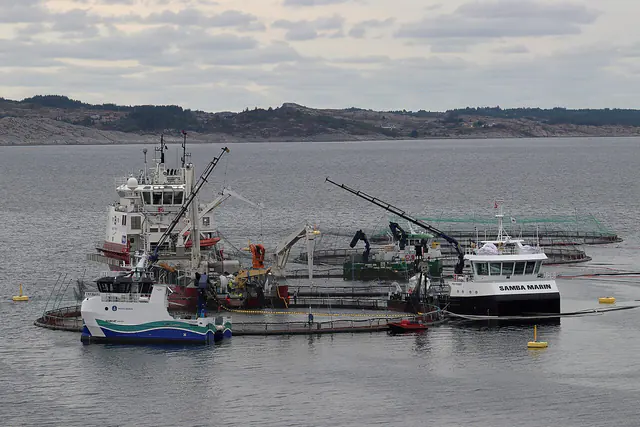
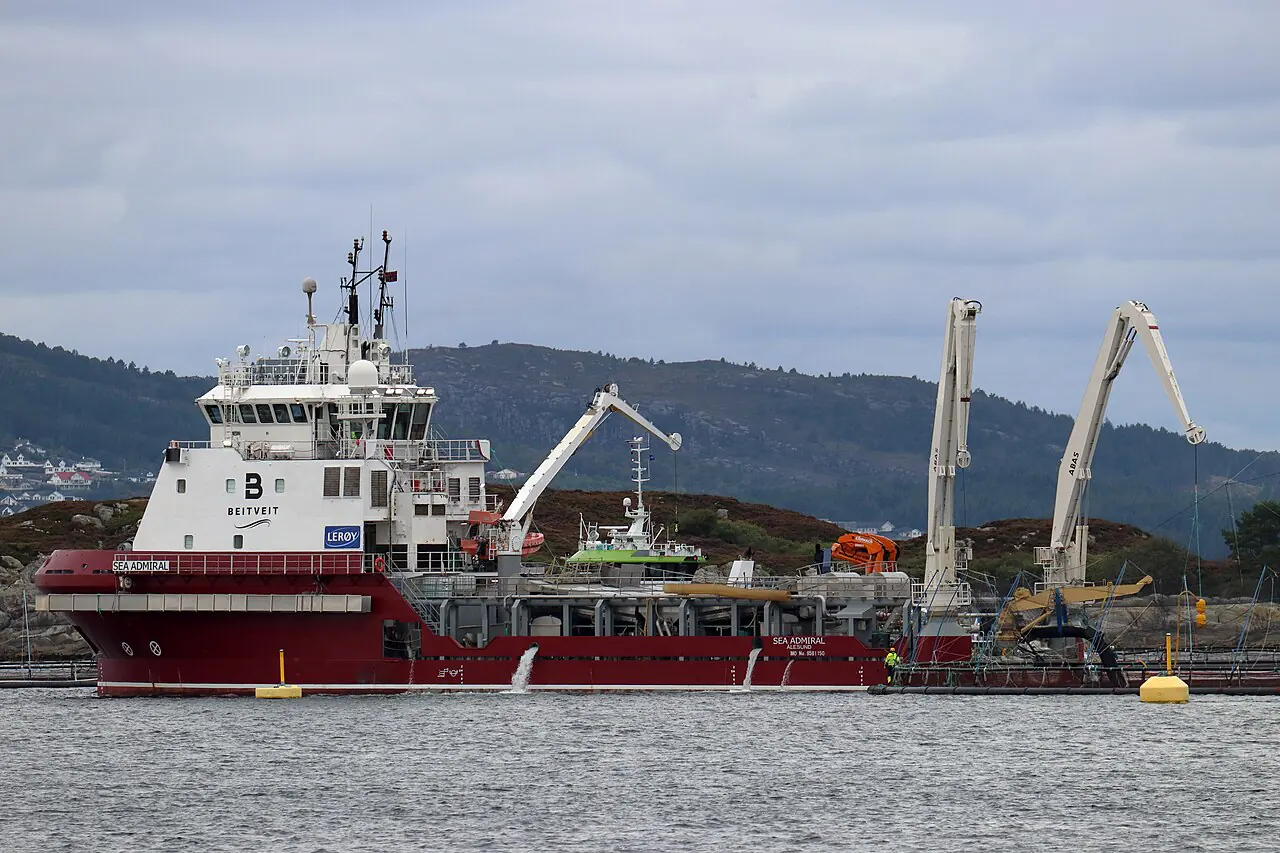
An Aquaculture Service Vessel (ASV) is a specialized maritime platform designed to meet the diverse and evolving needs of the aquaculture industry. Unlike general-purpose workboats or standard utility vessels, ASVs are purpose-built or highly modified to operate within the unique constraints of fish farming environments—both in sheltered coastal waters and increasingly in demanding offshore locations.
As the global demand for seafood grows, aquaculture has shifted from small-scale, nearshore operations to large-scale, intensive, and offshore production systems. This shift has fundamentally changed the requirements for support vessels. Modern aquaculture requires high levels of operational reliability, precision positioning, specialized lifting and handling capabilities, and, crucially, a minimized environmental and biological footprint.
ASVs can be categorized into several functional types, often defined by their primary mission:
- Fish Farm Support Vessels (FFSVs): Multi-role vessels capable of a wide range of tasks including maintenance, net handling, and logistics.
- Fish Pellet Carriers: Specialized vessels designed with dedicated cargo holds to transport large quantities of aquaculture feed from onshore facilities to offshore sites.
- Live Fish Carriers: Vessels equipped with sophisticated life-support systems, including specialized tanks, filtration, and oxygenation, to transport live fish between sites or to processing plants.
- Harvest and Processing Vessels: Larger platforms used for the harvesting of fish, sometimes incorporating on-board slaughtering or primary processing capabilities.
The evolution of the ASV reflects the broader industrialization of aquaculture, moving from “support craft” to “specialized technical platforms” that are integral to the biological success and operational efficiency of the farm.
2. Mission and Operations
The mission of an aquaculture service vessel is rarely singular. Most modern ASVs are designed as multi-purpose platforms that can pivot between various operational roles depending on the farm’s lifecycle and immediate needs.
2.1. Installation and Infrastructure Maintenance
Aquaculture sites are complex marine structures comprising cages, mooring lines, buoys, and sensor arrays. ASVs are used to:
- Deploy and Retrieve Mooring Systems: Using heavy-duty cranes and winches to install or maintain the anchor systems that hold cages in place.
- Cage Maintenance: Inspecting the structural integrity of net pens and floating frames.
- Sensor and Equipment Deployment: Placing monitoring equipment (e.g., water quality sensors, underwater cameras) within the farm.
2.2. Net Handling and Cleaning
One of the most critical and frequent tasks is the management of the containment nets.
- Net Cleaning: To prevent biofouling (the buildup of algae, mussels, and other organisms), nets must be cleaned regularly. ASVs often carry specialized net-cleaning robots or high-pressure water systems.
- Inspection and Repair: Divers or ROVs (Remotely Operated Vehicles) deployed from the vessel inspect nets for holes or damage caused by predators or weather.
- Net Replacement: Lifting heavy, fouled nets from the water and replacing them with new ones requires significant deck space and crane capacity.
2.3. Logistics and Supply Chain
The “farm-to-table” logistics of aquaculture require constant movement of materials.
- Feed Logistics: Delivering large volumes of pellets to automated feeding systems.
- Equipment Transport: Moving heavy machinery, spare parts, and consumables between the shore and the site.
- Personnel Transfer: Transporting technicians, biologists, and divers to offshore sites safely.
2.4. Biological Management and Welfare
Modern aquaculture is highly sensitive to water quality and fish health. ASVs support these biological needs through:
- Delousing and Treatment: Many vessels are equipped to support sea lice treatments, which may involve moving fish into specialized treatment tanks or assisting in the operation of automated delousing systems.
- Oxygenation and Water Quality: In cases of low dissolved oxygen, vessels can provide supplemental aeration or oxygen injection.
- Monitoring: Using high-tech sensors and imaging to monitor fish behavior, growth, and health.
2.5. Harvesting and Processing
When fish reach market size, the harvest operation begins.
- Harvest Support: Assisting in the pumping or lifting of fish from cages into well-boats or processing vessels.
- Live Transport: Moving live fish to processing facilities using specialized live-fish carrier vessels.
3. Hull, Size, and Design
The design of an ASV is a balance between stability, deck utility, and environmental sensitivity.
3.1. Hull Form and Material
- Materials:
- Aluminium: Frequently used for smaller service vessels and workboats (e.g., Damen 1508) due to its light weight, high strength-to-weight ratio, and resistance to corrosion. Aluminium vessels are often faster and more fuel-efficient for coastal operations.
- Steel: Preferred for larger service vessels, pellet carriers, and live fish carriers where significant cargo weight and structural rigidity are required.
- Hull Design: Most ASVs utilize a displacement or semi-displacement hull. The goal is to provide a stable platform for crane operations and to handle the heavy sea states often encountered in offshore aquaculture.
3.2. Size and Dimensions
ASVs vary widely in scale:
- Small Workboats: Typically 10–20 meters in length, used for nearshore maintenance and local logistics.
- Mid-sized Service Vessels: 20–40 meters, providing more deck space, accommodation, and DP capabilities for offshore support.
- Large Specialized Carriers: 40+ meters, often featuring high deadweight capacities for feed or live fish transport.
3.3. Key Design Features
- Large, Clear Working Decks: A hallmark of the ASV is an expansive, unobstructed deck area to accommodate cranes, nets, equipment, and cargo.
- Low Freeboard: Some designs (like the Damen UV 4312) feature a low freeboard (the distance from the waterline to the deck) to allow easier access to the water for net handling, hose deployment, or diving operations.
- Stability: High initial stability is crucial, especially when the vessel is operating heavy cranes or carrying large quantities of liquid cargo (e.g., in live fish tanks).
- Draft Requirements: Many vessels are designed with shallow drafts to allow operations in coastal areas or near-shore environments where water depth may be limited.
4. Propulsion and Engines
Propulsion for ASVs is undergoing a major transition, driven by both environmental regulations and the specific biological needs of the aquaculture industry.
4.1. Conventional Diesel Propulsion
While still common, pure diesel propulsion is being supplemented or replaced. Diesel engines provide the high torque and reliability required for heavy-duty tasks like towing and station-keeping in rough seas.
4.2. The Rise of Hybrid and Electric Systems
A significant trend in ASV design is electrification. This is motivated by several factors:
- Fish Welfare: Noise and vibration from diesel engines can stress fish. Electric propulsion is significantly quieter, minimizing biological impact.
- Emissions and Local Regulations: Many aquaculture hubs (especially in Norway) have strict regulations regarding local emissions and carbon footprints.
- Operational Efficiency: Hybrid systems (combining diesel generators with battery packs) allow the vessel to run on quiet, clean battery power during sensitive operations (e.g., near cages or in quiet zones) and switch to diesel for transit or high-load tasks.
- Example: The Damen 2813 features 2–3 MWh of hybrid energy storage, allowing for significant time spent in electric mode.
4.3. Dynamic Positioning (DP)
For any vessel working near floating cages, Dynamic Positioning (DP) is essential. DP systems use computer-controlled thrusters (often azimuth thrusters or tunnel thrusters) to automatically maintain the vessel’s position and heading, compensating for wind, waves, and currents.
- DP0/DP1: Common for simpler tasks.
- DP2: Required for more complex, high-stakes offshore operations where redundancy is critical for safety.
4.4. Bollard Pull
For service vessels involved in towing or heavy handling, bollard pull (the pulling force a vessel can exert at low speed) is a key performance metric. ASVs can range from low-pull workboats (under 10 tons) to high-pull service vessels (exceeding 250 kN / 25 tons).
5. Electrical System and Power
The electrical system of a modern ASV is far more complex than that of a standard workboat, as it must support both marine navigation and intensive mission-specific equipment.
5.1. High-Capacity Power Distribution
ASVs must provide stable, high-capacity power for:
- Heavy Deck Machinery: Large cranes, winches, and net cleaners.
- On-board Systems: ROV control stations, diving systems, and sophisticated monitoring suites.
- Life Support Systems: In live fish carriers, the electrical system must power continuous aeration, filtration, and temperature control, often with high levels of redundancy.
5.2. Energy Storage and Management
The integration of Battery Energy Storage Systems (BESS) is a defining feature of modern hybrid ASVs. These systems:
- Peak Shaving: Handle sudden high loads (e.g., starting a large crane) without requiring oversized diesel generators.
- Silent Operation: Enable zero-emission/zero-noise modes during critical biological operations.
- Energy Recovery: Capture energy during braking or through regenerative systems.
5.3. Redundancy and Reliability
Because an electrical failure during a critical operation (like a net lift or a live fish transport) can have catastrophic biological or financial consequences, ASV electrical systems are designed with high levels of redundancy, often following strict classification society standards.
6. Equipment and How It Is Used
The effectiveness of an ASV is defined by its specialized toolset.
| Equipment | Primary Use | Technical Detail |
|---|---|---|
| Hydraulic/Electric Cranes | Lifting cages, equipment, and nets. | Variable capacity (e.g., 9t to 15t+); often with precise control for offshore work. |
| Net Handling Winches | Deploying and retrieving nets/mooring lines. | High-torque, controlled-speed winches with heavy-duty wire ropes. |
| ROVs (Remotely Operated Vehicles) | Underwater inspection and net repair. | Equipped with cameras, lights, and manipulators; controlled from the bridge or a dedicated station. |
| Net Cleaning Machines | Removing biofouling from nets. | Can be automated robots or deck-mounted high-pressure systems. |
| Feeding Systems | Distributing pellets to fish. | Integrated with onboard storage and automated dispersal mechanisms. |
| Oxygenation Systems | Maintaining fish health in tanks/cages. | High-capacity oxygen generators or liquid oxygen storage and injection. |
| Mooring/Cage Handling Tools | Managing floating structures. | Specialized grabs, hooks, and tensioning devices. |
| Diving Support Gear | Manual inspection and repairs. | Compressors, umbilical lines, and decompression chambers. |
7. Navigation, Communications, and Safety
7.1. Navigation and Positioning
Beyond standard ECDIS (Electronic Chart Display and Information System) and Radar, ASVs require:
- Advanced DP Systems: Integrated with sensors (GPS, laser, sonar) for precise station-keeping.
- Sonar/Echo Sounders: For monitoring depth and identifying underwater obstacles or cage structures.
7.2. Communications
- Satellite and Radio: For long-range communication with shore and other vessels.
- Underwater Communication: For divers and ROV operations.
- Data Links: High-bandwidth links to transmit real-time sensor data from the farm to the vessel and shore.
7.3. Safety Systems
Safety is paramount due to the proximity of workers to water and heavy machinery.
- Personnel Safety: Life rafts, advanced life jackets, and man-overboard (MOB) detection.
- Operational Safety: Integrated alarm and monitoring systems (AMS) for machinery, fire, and environmental conditions.
- Biological Safety: Systems to prevent accidental spills or contamination of the fish farm environment.
8. Crew and Organization
The crew of an ASV must possess a blend of traditional maritime skills and specialized aquaculture technical knowledge.
8.1. Typical Crew Roles
- Master (Captain): Responsible for overall vessel command, navigation, and safety.
- Chief Engineer/Engineers: Manage the complex propulsion (especially hybrid/electric systems) and electrical grids.
- Deck Officers: Assist in navigation and oversee deck operations.
- Deckhands: Perform heavy manual tasks, mooring, and equipment handling.
- Specialized Technicians:
- Aquaculture Technicians/Biologists: Monitor fish health and water quality.
- ROV/Diving Pilots/Divers: Conduct underwater operations.
- Crane Operators: Highly skilled personnel for heavy/precise lifts.
8.2. Accommodation
Since many ASVs operate offshore or on long shifts, they are equipped with comfortable accommodation, including cabins, mess rooms, and sometimes specialized workspaces for technicians and scientists.
9. Certificates and Training Requirements
9.1. Maritime Certification
All crew members must meet international standards, primarily the STCW (Standards of Training, Certification and Watchkeeping for Seafarers). This includes:
- Basic Safety Training.
- Advanced Firefighting.
- Survival Craft/Lifeboat training.
9.2. Specialized Training
- DP Certification: Essential for officers and engineers on vessels using dynamic positioning.
- Aquaculture-Specific Safety: Training for working around cages, nets, and biological hazards.
- ROV/Diving Certificates: For those conducting underwater work.
10. Regulations, Class, and Inspections
10.1. Classification Societies
ASVs are typically classed by major societies like ABS (American Bureau of Shipping), DNV (Det Norske Veritas), or Lloyd’s Register. These societies provide specific notations for aquaculture vessels.
ABS Notation Examples:
- ASV-Support: For multi-role support vessels.
- ASV-Fish Pellet: For pellet carriers.
- ASV-Live Fish: For live fish carriers.
10.2. Regulatory Compliance
- IMO (International Maritime Organization) Regulations: Covering safety (SOLAS), pollution prevention (MARPOL), and navigation (COLREG).
- National Authorities: Each country has its own maritime and environmental agencies (e.g., Norwegian Maritime Authority) that regulate aquaculture-specific operations.
10.3. Inspections
Regular surveys and inspections are mandatory to ensure structural integrity, machinery reliability, and compliance with class notations.
11. Notable Shipyards, Operators, and Example Vessels
11.1. Notable Shipyards
- Damen Shipyards: A major global player with a wide range of specialized aquaculture designs (e.g., the 1508, 2410, 2813, 3911, and 4312 models).
- Sletta Verft: Known for building high-quality hybrid service vessels (e.g., for Trident Aqua Services).
11.2. Notable Operators
- Trident Aqua Services: A prominent operator of specialized aquaculture support fleets.
- Nova Sea: A leading salmon farming company that utilizes advanced hybrid workboats.
- Organic Sea Harvest: An operator of specialized aquaculture support vessels.
11.3. Example Vessels
| Vessel Name/Model | Type/Capability | Notable Features |
|---|---|---|
| Damen 2813 | Hybrid Service Vessel | 2-3 MWh hybrid storage, 280 kN bollard pull, 160 m² deck. |
| Damen 1508 | Aluminium Workboat | Fully electric/hybrid options, compact for coastal use. |
| Damen 2410 | Multi-purpose Workboat | 150 m² deck, 14.4t crane, 12-day endurance. |
| Trident Hybrid Vessel | Hybrid Service Vessel | Built at Sletta Verft, integrated electrical solution. |
12. Environment and Future Outlook
The future of the ASV is inextricably linked to the “Blue Economy” and the push for sustainable food production.
12.1. Decarbonization and Electrification
The transition from diesel to hybrid and eventually full electric propulsion is the most significant trend. This is driven by the need to reduce the carbon footprint of the entire seafood supply chain and to minimize the noise/emission impact on sensitive aquaculture environments.
12.2. Automation and Autonomy
As aquaculture sites become more remote and offshore, the demand for autonomous or semi-autonomous ASVs will grow. This includes:
- Autonomous Surface Vessels (ASVs): Small, unmanned craft for routine monitoring and inspection.
- Automated Task Execution: Using AI and advanced robotics for net cleaning, feeding, and even harvesting.
12.3. Digitalization and Integrated Data
The ASV of the future will be a “data hub.” By integrating real-time sensor data from the farm with vessel operations, companies can achieve unprecedented levels of efficiency, predictive maintenance, and biological control.
13. Facts, Records, and Common Misconceptions
- Fact: Not all aquaculture vessels are the same; a “service vessel” can be a tiny electric boat or a massive hybrid platform.
- Fact: Stability is often more critical for ASVs than for standard transport vessels due to heavy crane work on a working deck.
- Misconception: “Aquaculture vessels are just converted fishing boats.” While some may start that way, professional-grade ASVs are highly engineered, purpose-built platforms.
- Misconception: “Electric propulsion is only for small boats.” Modern hybrid systems with multi-megawatt storage are proving that high-power electric/hybrid capability is viable for large service vessels.
14. Glossary
- Bollard Pull: The pulling force a vessel can exert at low speed, used to measure towing/handling capacity.
- DP (Dynamic Positioning): A computer-controlled system for maintaining a vessel’s position.
- Freeboard: The distance from the waterline to the upper edge of a ship’s side.
- Hybrid Propulsion: A system combining internal combustion engines with electric motors and/or batteries.
- Net Biofouling: The accumulation of living organisms on aquaculture nets.
- ROV (Remotely Operated Vehicle): An underwater robot controlled from a surface vessel.
- Working Deck: The open area of a vessel used for loading, unloading, and mission-specific tasks.