1. What Is This Ship?
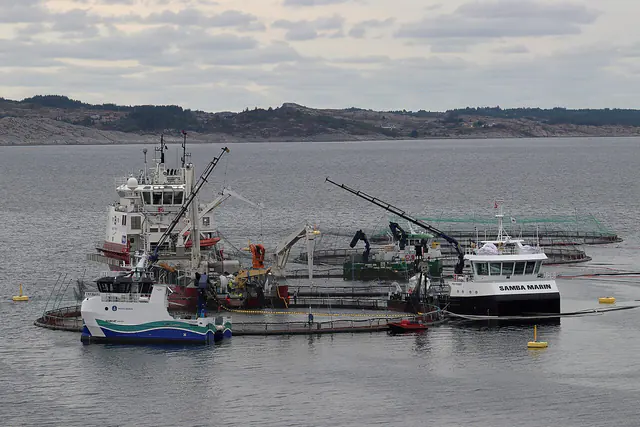
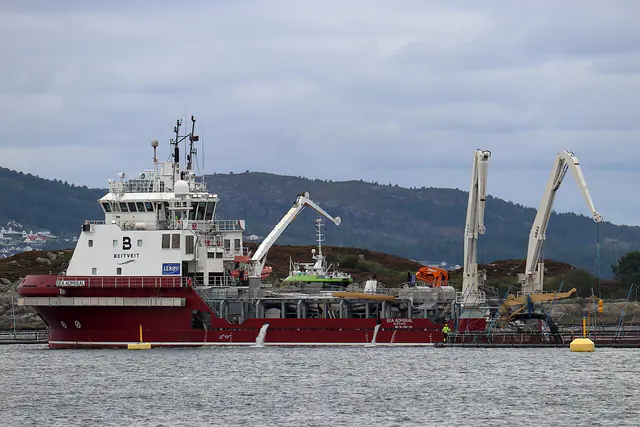
A Live Fish Carrier, more commonly referred to as a Wellboat, is a highly specialized maritime vessel designed to support the intensive demands of the modern aquaculture industry. Unlike general-purpose cargo ships or fishing trawlers, wellboats are essentially “floating life-support systems.” Their primary function is the safe and efficient transport of live fish—typically salmon, trout, or sea bass—between different stages of the aquaculture lifecycle.
These vessels serve several critical roles:
- Smolt Transport: Moving juvenile fish (smolts) from land-based hatcheries to sea-based pens.
- Harvesting: Collecting mature fish from aquaculture sites and transporting them to processing plants.
- Service and Maintenance: Providing essential services to fish farms, most notably delousing (the removal of parasites like sea lice) and freshwater treatments to combat diseases.
Because the “cargo” is a living, breathing, and highly sensitive biological asset, the engineering of a wellboat focuses less on maximizing deadweight tonnage and more on maintaining optimal water quality, thermal stability, and minimal physical stress for the fish.
2. Mission and Operations
The operations of a wellboat are inextricably linked to the biological requirements of the species being farmed. The mission profile is typically divided into three distinct operational modes:
2.1 Smolt and Post-Smolt Transport
During the early stages of the lifecycle, fish are highly vulnerable to changes in water chemistry and temperature. Wellboats used for this purpose often operate in a “closed transport” mode, where the water in the tanks is completely isolated from the surrounding sea. This allows for precise control over temperature, oxygen levels, and salinity, ensuring the smolts arrive at their destination in peak physiological condition.
2.2 Harvesting and Bulk Transport
When fish reach market size, they are harvested from their pens. The wellboat’s mission here is to move massive quantities of fish (often hundreds of tonnes) to processing facilities. This requires large-capacity well tanks and robust pumping systems capable of handling high volumes without causing injury to the fish.
2.3 Service and Delousing Operations
One of the most critical and technically demanding missions is delousing. Sea lice infestations can devastate aquaculture populations. Wellboats are equipped to perform “mechanical delousing,” where fish are pumped into the well tanks, treated with freshwater (to induce osmotic stress in the lice) or specialized filtration/UV systems, and then returned to their pens. This mission requires the vessel to remain stationary near fish pens for extended periods, necessitating advanced station-keeping technology.
3. Hull, Size, and Design
The design of a wellboat is a delicate balance between hydrodynamic efficiency, stability, and internal volume for life-support equipment.
3.1 Hull Stability and the “Free Surface Effect”
A unique challenge in wellboat design is the management of liquid cargo stability. Because the tanks (wells) are often only partially filled, the movement of the water inside the hull can create a massive “free surface effect.” As the ship rolls, the water shifts to one side, creating a large destabilizing moment that can lead to capsizing if not properly managed. To mitigate this, wellboats utilize:
- Movable Bulkheads: Allowing the cargo space to be partitioned into smaller, more stable compartments.
- Internal Baffles/Circulation: Designed to minimize violent sloshing.
- Wide Beam Designs: Providing higher initial stability.
3.2 Draft and Access
Many aquaculture sites are located in relatively shallow coastal waters or fjords. Consequently, wellboats are often designed with a shallow draft relative to their large displacement. This allows them to navigate close to fish pens and enter smaller harbors that would be inaccessible to standard cargo vessels.
3.3 Typical Specifications
While specifications vary widely based on the intended market (e.g., Norwegian fjords vs. Scottish coastal waters), typical ranges include:
- Length Overall (LOA): 30 m to 85 m.
- Breadth (Beam): 12 m to 20 m.
- Well Capacity: 500 m³ to 7,500 m³.
- Deadweight/Fish Load: 50 tonnes to 500+ tonnes.
4. Propulsion and Engines
Wellboats require a propulsion system that offers both efficient transit and extreme precision during station-keeping.
4.1 Propulsion Technologies
- Diesel-Mechanical: Common in older or smaller vessels. It is simpler and more cost-effective but offers less flexibility for dynamic positioning and auxiliary power management.
- Diesel-Electric: The industry standard for modern, large wellboats. This system allows the main engines to act as generators, providing electricity to electric propulsion motors. This setup is ideal for the high-demand, variable-load nature of wellboat operations (e.g., sudden high demand from water pumps or RSW systems).
- Podded Propulsion (Azipods): Many high-end wellboats utilize azimuth thrusters (pods that can rotate 360 degrees). This provides unparalleled maneuverability, which is essential when working in tight spaces near fish pens or in strong currents.
4.2 Typical Engine Configurations
A typical mid-to-large wellboat might employ:
- Main Propulsion: 1x or 2x medium-speed diesel engines (e.g., Yanmar, Caterpillar, or MaK) producing between 1,500 kW and 4,000 kW.
- Auxiliary Generators: Multiple diesel generators to ensure continuous power for the life-support systems. Redundancy is critical; a power failure can lead to mass fish mortality.
5. Electrical System and Power
The electrical system of a wellboat is perhaps its most complex component, as it must manage the highly variable and heavy loads required for fish survival.
5.1 Power Management Systems (PMS)
Modern wellboats utilize advanced PMS to balance the loads from propulsion, the Refrigerated Seawater (RSW) system, water treatment, and hotel loads. The system must be capable of “peak shaving”—using batteries or auxiliary units to handle sudden surges in demand (e.g., starting a large pump) without tripping the main generators.
5.2 Emerging Technologies: Hybrid and Electric
As the aquaculture industry moves toward sustainability, Battery-Hybrid systems are becoming increasingly common. These systems allow the vessel to operate on battery power during low-load operations (like idling near a pen) and use diesel generators for high-speed transit or heavy pumping. This reduces both fuel consumption and local emissions in sensitive fjord environments.
6. Equipment and How It Is Used
The “cargo” of a wellboat is not just the fish, but the entire aquatic environment they inhabit.
6.1 Water Treatment Systems
To maintain high water quality, wellboats employ a suite of sophisticated technologies:
- Filtration: Mechanical filters remove suspended solids and debris. Specialized “lice filters” are used during delousing to capture parasites.
- Ultraviolet (UV) Sterilization: UV lamps are used to kill pathogens (bacteria, viruses, and parasites) in the water, particularly important during smolt transport.
- Oxygenation and Degassing:
- Oxygenation: Injecting pure oxygen into the wells to support fish metabolism.
- Degassing (CO₂ Aeration): Removing excess carbon dioxide produced by fish respiration, which would otherwise lower the pH and become toxic.
- Salinity Control: Systems to mix seawater with freshwater for osmotic treatments.
6.2 Temperature Control: The RSW System
The Refrigerated Seawater (RSW) system is vital for both transport and harvesting. By cooling the well water (typically to around 4°C–7°C), the vessel can:
- Lower Fish Metabolism: Reducing oxygen demand and waste production during transit.
- Provide Thermal Shock for Delousing: Using freshwater at specific temperatures to manage parasites.
- Preserve Quality: Ensuring fish remain in peak condition for processing.
6.3 Loading and Unloading Systems
To minimize physical trauma, wellboats use specialized pumping systems:
- Vacuum Loading: Uses suction to pull fish into the well.
- Pressure Unloading: Uses pressure to gently push fish out.
- Pump-based Transfer: Specialized “fish pumps” designed to move water and fish together with minimal shear forces.
| Equipment Type | Primary Function | Key Benefit |
|---|---|---|
| RSW System | Temperature regulation | Lowers metabolism & stress |
| UV System | Pathogen inactivation | Prevents disease spread |
| CO₂ Aerators | Carbon dioxide removal | pH and gas balance |
| Lice Filter | Mechanical parasite capture | Biological security |
| Oxygenator | Oxygen enrichment | Supports high density |
7. Navigation, Communications, and Safety
7.1 Dynamic Positioning (DP)
The most critical navigation feature of a wellboat is its Dynamic Positioning (DP) system. When performing delousing or service tasks, the vessel must maintain a precise position relative to a fixed fish pen, often in challenging currents or wind. DP systems use GPS, wind sensors, and often sonar or laser-based position references to automatically control the thrusters and maintain station.
7.2 Bridge Automation
Modern bridges are highly automated, allowing a small crew to monitor and control complex cargo and life-support systems from a centralized station. This integration is essential for responding quickly to changes in water quality or environmental conditions.
7.3 Safety Systems
Beyond standard maritime safety (SOLAS), wellboats must manage:
- Sewage Treatment: Advanced vacuum toilets and treatment plants to meet strict environmental discharge regulations.
- Bio-security: Protocols to prevent the transfer of diseases between different aquaculture sites.
8. Crew and Organization
Wellboats typically operate with a small, highly specialized crew.
8.1 Typical Crew Roles
- Master (Captain): Responsible for overall vessel safety, navigation, and command.
- Chief Engineer: Manages the complex propulsion, electrical, and life-support machinery.
- Mates/Officers: Assist in navigation and cargo operations.
- Deckhands/Operators: Handle the physical aspects of loading/unloading and equipment maintenance.
- Aquaculture Technician/Biologist: Often present to monitor fish health and water chemistry in real-time.
8.2 Accommodation
Given the importance of crew alertness for sensitive biological monitoring, wellboats feature high-quality accommodation, including soundproofed cabins, mess rooms, and often recreational facilities like gyms or lounges.
9. Certificates and Training Requirements
Operating a wellboat requires a combination of standard maritime certifications and aquaculture-specific expertise.
9.1 Maritime Qualifications
Crew members must hold valid certificates in accordance with the STCW (Standards of Training, Certification and Watchkeeping) convention, including:
- Basic Safety Training (Firefighting, First Aid, Sea Survival).
- Watchkeeping endorsements.
- Advanced training for DP operators.
9.2 Specialized Training
- Aquaculture Support Endorsements: Training in fish handling, biology, and water quality management.
- Medical Fitness: Due to the demanding nature of the work and the sensitive environments.
10. Regulations, Class, and Inspections
10.1 Classification Societies
Wellboats are typically classed by major societies like DNV (Det Norske Veritas) or Lloyd’s Register. These societies establish the rules for structural integrity, stability, and the reliability of essential machinery (like the life-support systems).
10.2 Regulatory Bodies
- IMO (International Maritime Organization): Provides the overarching framework for safety (SOLAS) and pollution prevention (MARPOL).
- National Maritime Authorities: (e.g., MCA in the UK, Norwegian Maritime Authority) enforce local regulations regarding vessel operation and environmental protection.
- Environmental Regulations: Strict rules govern the discharge of treated water, especially concerning lice, chemicals, and waste matter.
11. Notable Shipyards, Operators, and Example Vessels
11.1 Major Shipyards
- Aas Mek. Verksted (Norway): A leading designer and builder of specialized aquaculture vessels.
- Solvtrans (Norway): While primarily an operator, they are central to the development of modern wellboat standards.
11.2 Notable Operators
- Sølvtrans: Recognized as one of the world’s largest wellboat operators.
- Mowi/Scottish Salmon Company: Major aquaculture players that utilize specialized fleets.
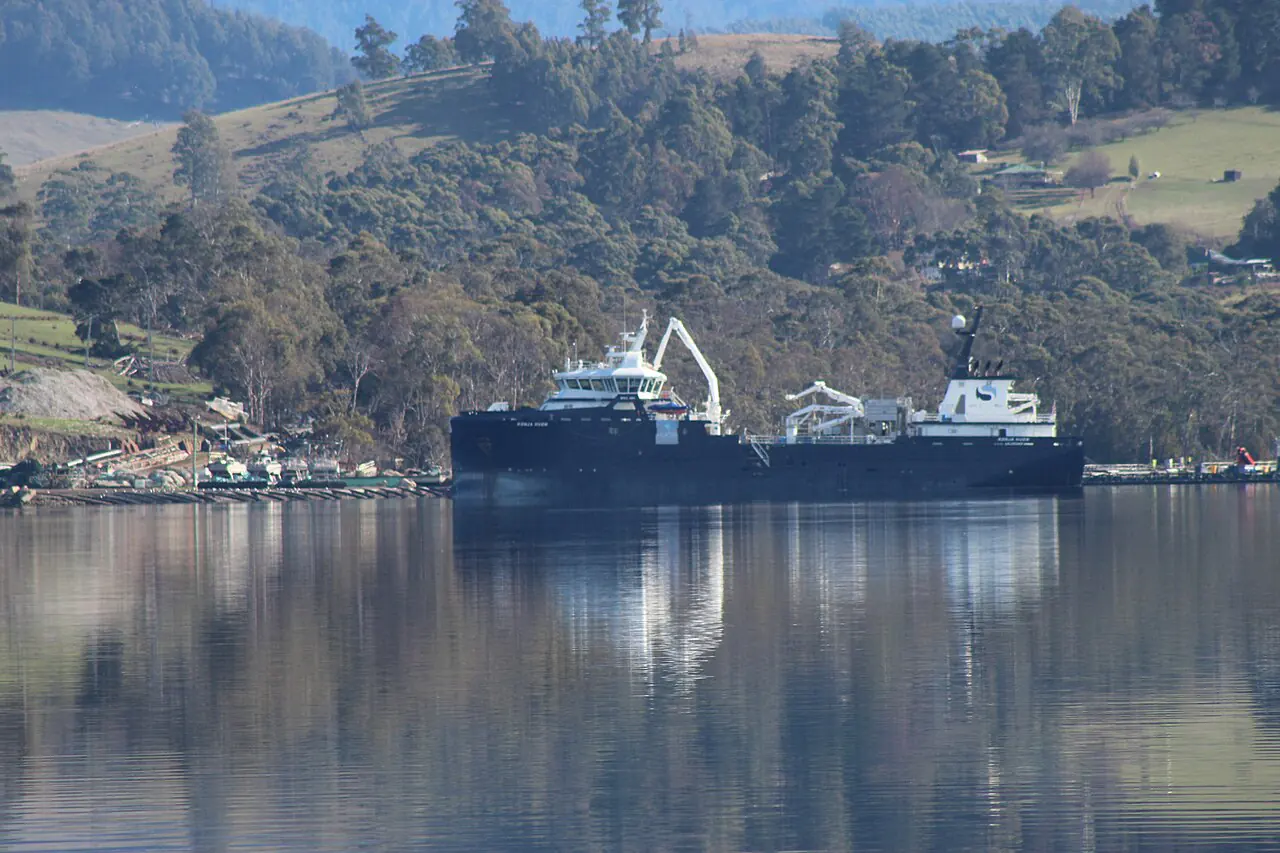
11.3 Example Vessel: Ronja Explorer
- Class: AAS 2502 ST-class.
- Capacity: 2,500 m³ (divided into two holds with sliding bulkheads).
- Key Feature: Designed for shallow draft and “closed transport” of smolts.
- Technology: Equipped with advanced UV, CO2 aeration, and an RSW system.
12. Environment and Future Outlook
The wellboat industry is at the forefront of the “green transition” in maritime technology.
12.1 Decarbonization
The transition from diesel-mechanical to diesel-electric and now to battery-hybrid propulsion is a major trend. This reduces the carbon footprint of the aquaculture supply chain and minimizes the impact on fjord ecosystems.
12.2 Enhancing Bio-security
Future designs will likely feature even more advanced automated water treatment systems, utilizing AI and real-time sensors to adjust oxygen, pH, and temperature levels instantaneously, further reducing fish mortality and increasing operational efficiency.
13. Facts, Records, and Common Misconceptions
- Misconception: “Wellboats are just glorified fish trucks.”
- Reality: Unlike a truck, which carries a static load, a wellboat manages a dynamic, living ecosystem. The complexity of the water treatment and stability management far exceeds that of simple transport.
- Fact: The stability of a wellboat is one of the most critical engineering hurdles in the industry due to the “free surface effect” of liquid cargo.
- Fact: Modern wellboats are essential for “mechanical delousing,” a key method for sustainable parasite management in salmon farming.
14. Glossary
- Azipod: A podded propulsion unit that can rotate 360 degrees.
- CO₂ Aeration: The process of removing carbon dioxide to maintain pH.
- Delousing: The removal of parasites (like sea lice) from farmed fish.
- DP (Dynamic Positioning): An automated system for maintaining a vessel’s position.
- Free Surface Effect: The destabilizing effect caused by liquid moving in partially filled tanks.
- RSW (Refrigerated Seawater): A system used to cool water for fish transport.
- Smolt: A juvenile fish that has reached a stage of development ready for seawater.
- UV Sterilization: Using ultraviolet light to kill pathogens in water.
- Well: The internal tank or hold used to carry live fish.