1. What Is This Ship?
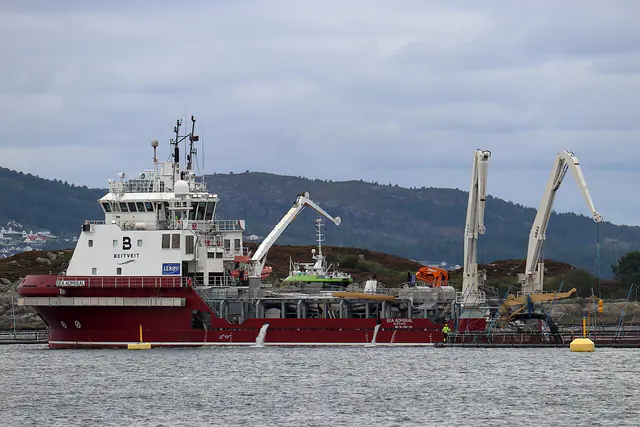
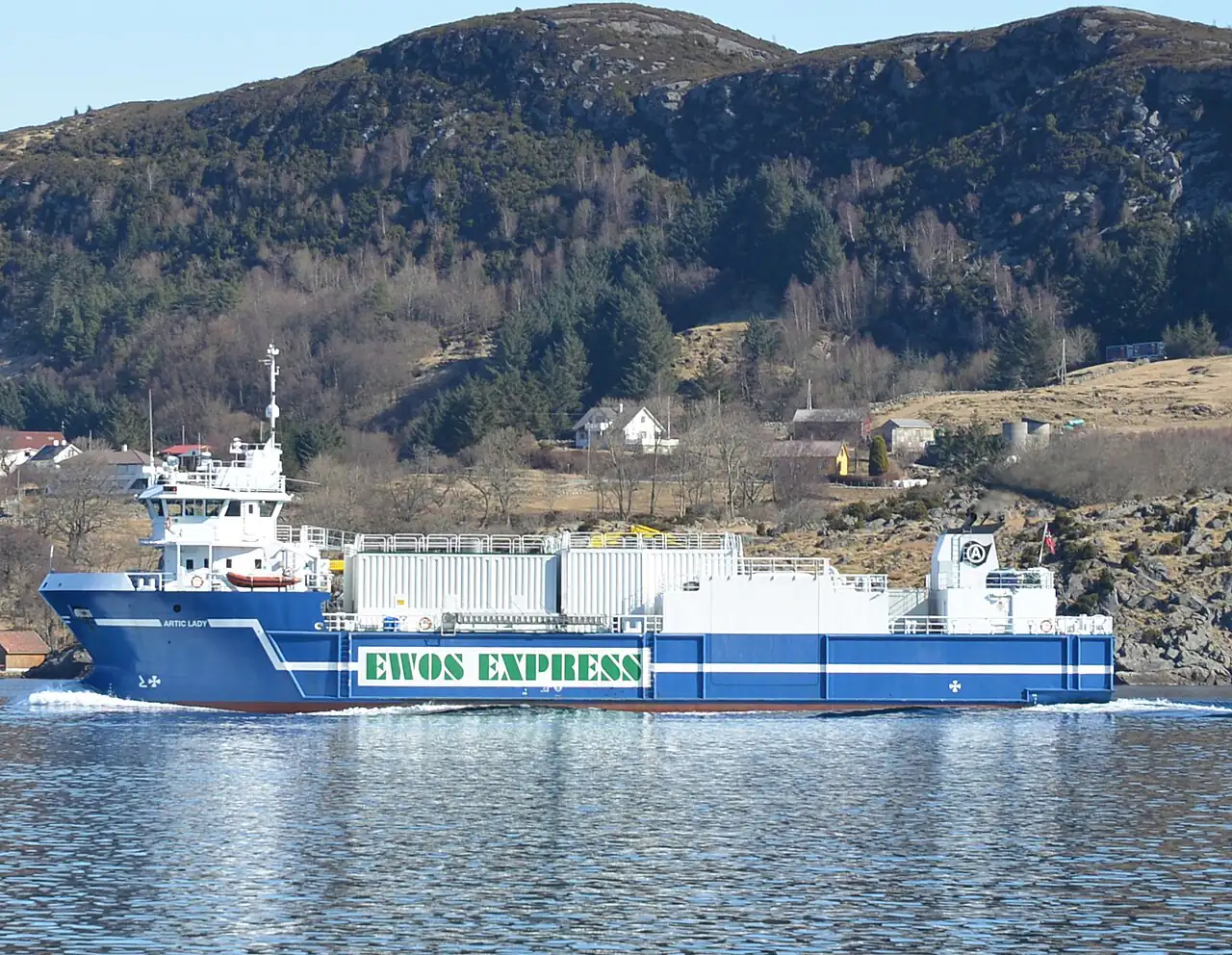
A Fish Feed Carrier (also referred to as a Fish Pellet Carrier in classification notations like ABS) is a highly specialized service vessel designed to support the global aquaculture industry. Its primary function is the “shuttle” transport of processed fish feed—typically in the form of compressed pellets or large industrial bags—from onshore manufacturing plants (feed mills) to offshore or coastal fish farming installations (net pens, sea cages, or floating feed barges).
Unlike general cargo ships, fish feed carriers are defined by their sophisticated cargo handling technology. The feed used in modern aquaculture is a precision-engineered product containing specific levels of protein, lipids, vitamins, and minerals. Any mechanical damage to the pellets during transport (such as crumbling or “fines” production) can reduce feeding efficiency, increase costs, and potentially harm the health of the fish. Consequently, these vessels are engineered to handle delicate cargo through controlled pneumatic conveying or specialized mechanical systems.
The industry distinguishes between two primary sub-types:
- Bulk Feed Carriers: Designed to transport feed in bulk using onboard silos and pneumatic discharge systems.
- Bag/Sack Carriers: Designed to carry feed in “big bags” (large industrial sacks) or smaller bags, utilizing cranes and conveyor systems.
Many modern, high-capacity vessels, such as the Eidsvaag Opal, are hybrid designs capable of carrying both bulk and bagged cargo to provide maximum operational flexibility.
2. Mission and Operations
The operational cycle of a fish feed carrier is dictated by the biological needs of the aquaculture stock. Fish farming is a continuous process where feed must be delivered on a strict schedule to maintain growth rates and minimize competition among fish.
The Transport Cycle
- Loading: The vessel moors at an onshore feed mill. Depending on the ship’s design, feed is either pneumatically sucked from the mill into the ship’s silos or lifted via crane into a dedicated hold for bagged goods.
- Transit: The carrier travels to the aquaculture site. These routes are often coastal but can involve offshore transit in challenging environments like the North Sea or the Norwegian Sea.
- Discharge: Upon arrival at the fish farm, the vessel performs its most critical task. It must discharge the feed into either the farm’s stationary feed barges or directly into the feeding systems of the net pens.
- Return: Once empty (or partially loaded with other supplies), the vessel returns to the mill to begin the cycle again.
Operational Challenges
- Weather Windows: Many fish farms are located in exposed, high-energy maritime environments. Carriers must be capable of operating in significant wave heights () often ranging from 3m to 6m to ensure the food supply is not interrupted.
- Station Keeping: During discharge, the vessel must remain precisely positioned relative to the farm’s infrastructure (e.g., a feeding barge or a manifold). This often requires advanced Dynamic Positioning (DP) systems to allow for unloading without the need for traditional mooring.
- Cargo Integrity: Ensuring that the feed remains dry and that the mechanical handling does not turn the pellets into dust is a primary operational priority.
3. Hull, Size, and Design
The design of a fish feed carrier is heavily influenced by its cargo type and the specific environmental conditions of its intended operating theater.
Dimensions and Capacity
Fish feed carriers occupy a broad spectrum of the maritime size classes:
- Small/Coastal Carriers: Typically 20–35 meters in length, with capacities between 300 and 600 tonnes. These are common in sheltered fjord environments or smaller-scale farming operations.
- Medium Carriers: Ranging from 40–60 meters, with capacities around 600–1,500 tonnes.
- Large/High-Capacity Carriers: Purpose-built or converted vessels (often exceeding 80 meters) with capacities reaching 2,800 tonnes or more.
Hull Design and Stability
One of the most critical design aspects is stability. Fish feed is a high-density cargo. When stored in tall silos, it creates a significant “top-heavy” effect (high Center of Gravity, or ). To counteract this, designers employ several strategies:
- Wide Beams: Many carriers feature unusually wide beams relative to their length to increase the metacentric height ().
- Side Boxes/Sponsons: Some vessels, such as the Eidsvaag Opal, have been modified with “side boxes”—extra buoyancy compartments added to the hull sides—to increase stability and cargo volume.
- V-Shaped Bottoms: For vessels operating in rougher, more exposed waters, a V-shaped hull may be used to improve sea-keeping and reduce rolling.
Draft Requirements
Since many aquaculture sites are located in relatively shallow coastal waters or near shorelines, these vessels are typically designed with a shallow draft to allow access to varied maritime environments.
4. Propulsion and Engines
Propulsion systems for fish feed carriers must balance fuel efficiency for long shuttle runs with the high torque and maneuverability required for station-keeping during discharge.
Engine Types
- Diesel Engines: The most common choice. Many vessels utilize multiple diesel engines, including auxiliary engines to power the heavy electrical loads of the cargo systems.
- Hybrid Systems: A growing trend in the industry. Hybrid vessels (like the Margaret McKenzie) combine diesel engines with battery banks to reduce emissions during low-speed maneuvering and to provide peak power for pneumatic blowers.
- LNG-Powered: To meet decarbonization goals, newer vessels (such as the NSK 3433) are being designed to run on Liquefied Natural Gas (LNG), significantly reducing sulfur and nitrogen oxide emissions.
Maneuverability and DP
Because discharging often happens in proximity to delicate aquaculture infrastructure, Dynamic Positioning (DP) is a vital feature for larger vessels. DP systems use a combination of GPS, wind sensors, and thrusters (often azimuth thrusters or tunnel thrusters) to automatically maintain the ship’s position and heading. This allows the ship to “hover” near a feeding barge even in presence of currents or wind, facilitating a safer and more efficient discharge through a flexible discharge arm.
5. Electrical System and Power
The electrical system on a fish feed carrier is arguably more critical than on a standard bulk carrier. The vessel is essentially a floating power plant for its cargo handling equipment.
High-Load Requirements
The primary electrical consumers are:
- Pneumatic Blowers/Compressors: These require massive amounts of power to create the high-pressure air streams needed to move feed through long pipes.
- Cargo Cranes and Winches: Required for lifting big bags or maneuvering hoses.
- Conveyor Belts and Augers: Used for mechanical transfer of feed.
- Dynamic Positioning Systems: Constant power is required for the thrusters and sensors.
Power Management
To prevent blackouts during high-load operations (e.g., when a blower kicks in while a crane is lifting), these vessels utilize advanced Power Management Systems (PMS). These systems automatically balance the load across multiple generators and can implement “load shedding” if necessary to protect essential navigation and propulsion functions.
6. Equipment and How It Is Used
The “heart” of the fish feed carrier is its cargo handling suite. The equipment used depends on whether the cargo is bulk or bagged.
Bulk Handling: Pneumatic Systems
Pneumatic conveying is the preferred method for moving pellets. It uses compressed air to “float” the feed through a closed piping system. There are two main methods:
- Dilute Phase Conveying: High-velocity, low-pressure air is used to carry small pellets (< 0.5 mm) through the pipes. This is common for early-stage fish feed.
- Dense Phase Conveying: High-pressure, low-velocity air is used to move larger or more sensitive pellets. This method is gentler and reduces the risk of pellet breakage, but requires more robust piping and compressors.
Key components include:
- Onboard Silos: Large, vertical storage tanks that hold the bulk feed.
- Blowers/Compressors: The power source for the pneumatic flow.
- Discharge Arms/Manifolds: Flexible or articulated pipes that connect the ship to the farm’s receiving system.
Bagged Cargo Handling: Mechanical Systems
For vessels carrying feed in sacks or “big bags,” the process is more traditional but still highly specialized:
- Knuckle Boom Cranes: High-precision cranes used to lift heavy bags from the deck or from a hold.
- Conveyors and Elevators: Mechanical belts or vertical buckets used to move bags from the hold to the discharge point.
- Big Bag Holds: Specialized compartments designed to store large industrial sacks securely.
Summary of Cargo Equipment
| Equipment Type | Primary Use | Key Advantage |
|---|---|---|
| Pneumatic Blower | Bulk Pellet Transfer | Fast, enclosed, prevents contamination |
| Onboard Silo | Bulk Storage | Protects feed from moisture and pests |
| Knuckle Boom Crane | Bagged Cargo Handling | High precision for lifting in rough seas |
| Discharge Arm | Ship-to-Farm Connection | Allows for flexible positioning/unloading |
| Auger/Screw Conveyor | Mechanical Transfer | Reliable for short-distance movement |
7. Navigation, Communications, and Safety
Fish feed carriers utilize standard maritime navigation and communication suites, but with added emphasis on precision and proximity awareness.
Navigation and Positioning
- Electronic Chart Display and Information System (ECDIS): Essential for navigating narrow coastal channels and approaching farm sites.
- Dynamic Positioning (DP) Systems: As mentioned, crucial for station-keeping during discharge operations.
- Radar and AIS: Used for collision avoidance and monitoring local traffic, especially when operating in busy coastal corridors.
Communication
- VHF/Satellite Communications: For coordination with the feed mill, the fish farm operators, and other vessels in the vicinity.
- Internal Comms: Highly integrated communication between the bridge, the engine room, and the deck crew (where cargo operations take place) is vital for safety.
Safety Equipment
- Life-Saving Appliances (LSA): Standard requirements including liferafts, lifeboats, and personal flotation devices.
- Firefighting Systems: Given the potential for dust explosions (feed dust can be combustible), specialized dust suppression and fire detection/extinguishing systems are often integrated into the cargo holds and silo areas.
8. Crew and Organization
Because many fish feed carriers operate on fixed, predictable routes between a mill and a farm, they can be operated with relatively small crews compared to deep-sea merchant vessels.
Typical Crew Composition
A medium-sized carrier might be crewed by only 3 to 5 people. A typical crew breakdown includes:
- Master (Captain): Responsible for navigation, vessel safety, and overall command.
- Chief Engineer: Responsible for the complex propulsion and electrical systems.
- Officers/Deckhands: Assist with navigation and, most importantly, oversee the cargo discharge operations.
Operational Roles
During the discharge phase, the crew’s focus shifts from navigation to cargo management. This involves monitoring the pressure in the pneumatic lines, checking the integrity of the discharge arm, and ensuring that the feed is being delivered at the correct rate to the receiving facility.
9. Certificates and Training Requirements
Operating a fish feed carrier requires both standard maritime certifications and specialized training related to aquaculture support.
Maritime Certifications
- STCW (Standards of Training, Certification, and Watchkeeping): All crew must hold valid STCW certifications for their respective roles (Deck, Engine, Safety).
- Master/Engineer Licenses: Required based on the vessel’s tonnage and engine power.
Specialized Training
- Aquaculture Service Vessel (ASV) Training: Crew may undergo training specific to the handling of aquaculture-related cargo and the unique safety challenges of operating near fish farms.
- DP Certification: For vessels equipped with Dynamic Positioning, designated officers must hold specialized DP operator certificates.
- Hazardous Material/Dust Awareness: Training on the risks of combustible dust associated with feed handling.
10. Regulations, Class, and Inspections
Fish feed carriers are subject to international maritime regulations and undergo regular inspections by classification societies.
Classification Societies
The most prominent classification societies for these vessels include:
- ABS (American Bureau of Shipping): Provides specific notations for aquaculture service vessels, such as ASV-Fish Pellet.
- DNV (Det Norske Veritas): A leading authority for specialized service vessels in the North Sea and Norwegian regions.
- Bureau Veritas (BV): Frequently used for aquaculture-related vessels.
Regulatory Frameworks
- IMO (International Maritime Organization): Sets the global standards for vessel safety (SOLAS), pollution prevention (MARPOL), and crew training (STCW).
- Coastal State Regulations: National maritime authorities (e.g., the Norwegian Maritime Authority) often have specific rules regarding service vessels operating in their territorial waters.
Inspections
Regular inspections focus on:
- Hull Integrity: Checking for corrosion and structural soundness.
- Cargo System Functionality: Testing blowers, silos, and discharge arms.
- Electrical Systems: Ensuring the high-load power management systems are reliable.
- Safety Equipment: Verifying the readiness of firefighting and life-saving gear.
11. Notable Shipyards, Operators, and Example Vessels
The market for fish feed carriers is highly specialized, with a concentration of shipbuilders and operators in Northern Europe (particularly Norway) and parts of Asia.
Notable Shipyards and Designers
- Damen Shipyards (Netherlands): Renowned for complex conversions, such as turning PSVs into high-capacity feed carriers.
- Parkol Marine Engineering (UK): A key builder of specialized coastal aquaculture support vessels.
- Vard (Norway): A major player in advanced aquaculture vessel design.
- Tersan Shipyard (Turkey): Involved in building specialized cargo vessels like the NSK series.
- Macduff Ship Design (UK): Provides specialized design services for aquaculture support.
Major Operators
- Eidsvaag (Norway): Operates a significant fleet of feed transport vessels.
- NSK Shipping (Norway): Owner/operator of advanced, LNG-powered feed carriers.
- LCL Shipping (UK): Operates specialized feed transporters in the Shetland region.
- Major Aquaculture Producers: Companies like Mowi, SalMar, and Cermaq often own or charter large fleets to manage their own logistics.
Example Vessels
| Vessel Name | Type / Feature | Capacity | Notable Detail |
|---|---|---|---|
| Eidsvaag Opal | Converted PSV | ~2,800 tonnes | High-capacity, hybrid cargo (bulk & bags) |
| NSK 3433 | LNG-Powered | ~2,700 tonnes | Environmentally friendly, DP-enabled |
| Margaret McKenzie | Hybrid Carrier | ~400 tonnes | Modern, low-emission coastal design |
| MV DanaNor | Bulk Carrier | ~650 tonnes | Established coastal shuttle vessel |
| Aqua Fjell | Feed Carrier | Varies | Part of the Eidsvaag fleet |
12. Environment and Future Outlook
The fish feed carrier industry is at the forefront of the maritime sector’s push toward decarbonization and automation.
Decarbonization and Alternative Fuels
As aquaculture grows, the carbon footprint of the logistics chain comes under scrutiny. Trends include:
- LNG and Bio-LNG: Providing a bridge to lower-emission operations.
- Hybrid-Electric Propulsion: Using batteries to optimize engine load and reduce emissions during maneuvering and idling.
- Zero-Emission Goals: Long-term research into hydrogen and electric-only vessels for short coastal routes.
Automation and Digitalization
- Automated Feeding Systems: Integration between the ship’s discharge systems and the farm’s feeding computer to ensure precise dosing.
- Remote Monitoring: Using IoT sensors to monitor feed quality, silo levels, and vessel performance in real-time.
- Autonomous Navigation: While long-term, the potential for highly automated or even autonomous “shuttle” vessels for short, fixed routes is being explored.
13. Facts, Records, and Common Misconceptions
Common Misconceptions
- “Feed Carriers are just small tankers”: While they both carry liquid/bulk cargo, feed carriers are much more specialized in their discharge technology (pneumatic/mechanical) and stability requirements.
- “They are the same as Live Fish Carriers”: This is a common error. Live Fish Carriers (Wellboats) carry living fish in large water tanks. Feed Carriers carry the dry or bagged food used to feed them. The two vessel types are complementary but technically distinct.
Key Facts
- The “shuttle” concept is vital for the economic viability of large-scale salmon farming.
- The transition from bagged to bulk feed has driven the evolution of specialized pneumatic-capable vessels.
- Stability is a primary design driver due to the high density of the cargo.
14. Glossary
- ASV (Aquaculture Service Vessel): A classification notation for vessels designed to support aquaculture.
- Big Bag: A large, industrial-strength sack used for transporting bulk quantities of feed.
- DP (Dynamic Positioning): A system that automatically maintains a vessel’s position using thrusters.
- Feed Barge: A floating unit moored at a fish farm that stores and distributes feed.
- Fines: Small, broken pieces of feed pellets that have crumbled during handling.
- Hybrid Vessel: A ship that uses both traditional engines and alternative power (like batteries).
- LNG (Liquefied Natural Gas): A low-emission fuel used in modern maritime applications.
- Pneumatic Conveying: The movement of materials through a pipe using compressed air.
- Pellet: A small, compressed cylinder of processed fish feed.
- Silo: A large, vertical storage container for bulk cargo.
- Wellboat: A specialized vessel designed for transporting live fish in large water-filled tanks.