1. What Is This Ship?
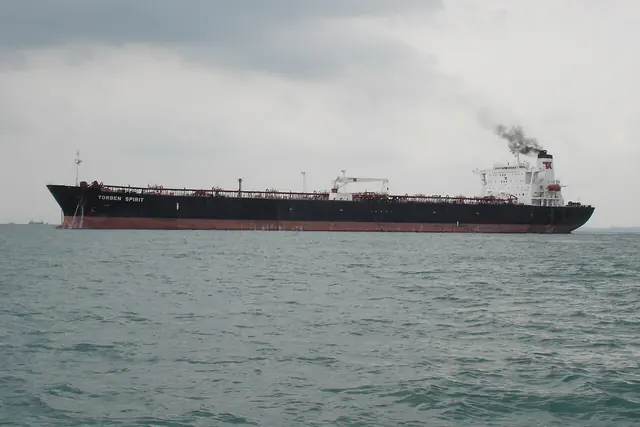
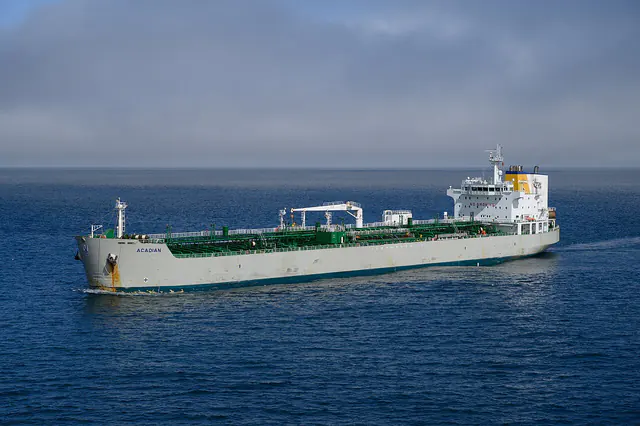
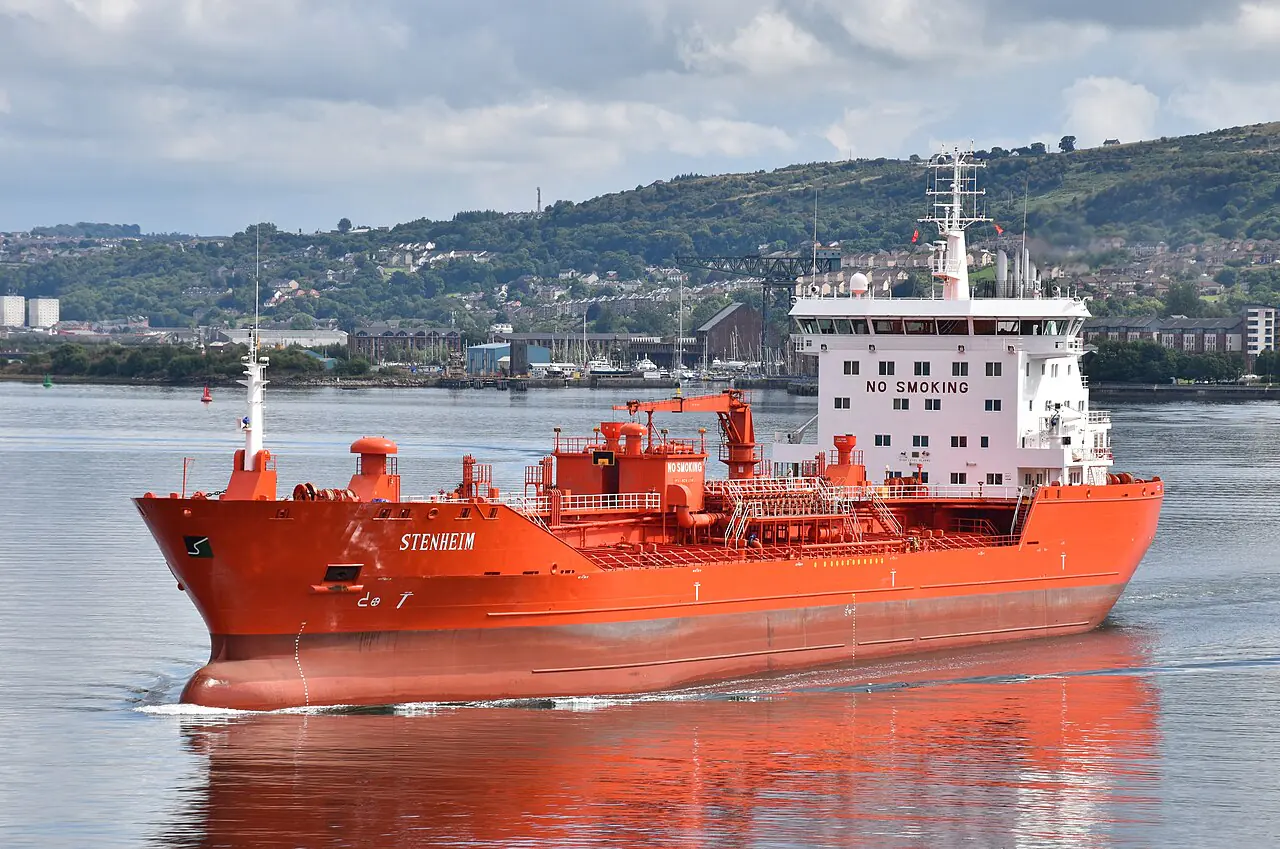
A chemical tanker is a highly specialized type of cargo vessel engineered to transport a wide array of liquid products, ranging from benign substances like vegetable oils and alcohols to extremely hazardous chemicals, including strong acids, highly flammable solvents, and toxic monomers. Unlike standard oil tankers, which are designed for a relatively narrow range of relatively stable liquid hydrocarbons, chemical tankers must be capable of carrying a vast diversity of substances that may have wildly different chemical, physical, and reactive properties.
The primary distinguishing feature of a chemical tanker is its ability to handle “parcel trading.” This involves carrying multiple different cargoes in separate, independent tanks during a single voyage. To prevent cross-contamination—a critical failure in chemical transport—these tanks must be completely segregated, featuring their own dedicated piping, pumping, and ventilation systems.
Because of the hazardous nature of the cargo, chemical tankers are among the most strictly regulated vessels in the global maritime industry. Their design, construction, and operation are governed by international standards to minimize the risk of environmental pollution, fire, explosion, and toxic exposure to the crew and coastal populations.
2. Mission and Operations
The mission of a chemical tanker is to serve as a vital link in the global chemical supply chain, moving raw materials from production facilities (often petrochemical complexes) to refineries, manufacturing plants, and consumer-facing industries.
Core Operational Modes
- Parcel Trading: As mentioned, the ability to carry diverse, non-compatible cargoes in separate compartments is the hallmark of the chemical tanker. This allows operators to optimize routes and maximize profitability by servicing multiple clients in a single trip.
- Bulk Carriage: Carrying large quantities of a single, uniform chemical product (e.g., a massive shipment of methanol or caustic soda).
- Specialized Transport: Moving highly sensitive or reactive substances that require precise temperature control, inert atmospheres (nitrogen blanketing), or dedicated stainless steel containment.
Cargo Lifecycle
The operation of a chemical tanker is a complex process involving:
- Pre-Loading Inspection: Rigorous cleaning of tanks and lines to ensure no residue from previous cargoes remains.
- Loading: Precise control of flow rates, temperature, and pressure to prevent static electricity buildup or chemical reactions.
- Voyage Management: Constant monitoring of cargo temperature, tank pressure, and atmosphere (oxygen levels).
- Discharge: Utilizing high-performance pumping systems to empty tanks with minimal residue.
- Tank Cleaning: A critical phase using specialized chemicals, water, and steam to prepare for the next cargo.
3. Hull, Size, and Design
The design of a chemical tanker is dictated by the requirement to contain potentially catastrophic leaks and to manage the unique stresses of liquid cargo movement.
Ship Types (IMO IBC Code)
Under the International Code for the Construction and Equipment of Ships carrying Dangerous Chemicals in Bulk (IBC Code), chemical tankers are categorized into three primary types based on the hazard level of the cargo they are intended to carry:
| Ship Type | Hazard Profile | Design Requirement |
|---|---|---|
| Type 1 | Very severe environmental and safety hazards. | Maximum preventive measures; tanks located at maximum distance from the hull. |
| Type 2 | Appreciably severe environmental and safety hazards. | Significant preventive measures to preclude cargo escape. |
| Type 3 | Sufficiently severe environmental and safety hazards. | Moderate degree of containment to ensure survival in a damaged condition. |
Tank Construction and Materials
The choice of tank material is perhaps the most critical design decision. There are two main approaches:
1. Stainless Steel Tanks
Many high-specification chemical tankers utilize stainless steel (often grades 316L or Duplex 2205) for their cargo tanks.
- Advantages: Exceptional corrosion resistance, no porosity (unlike some coatings), and easy to clean with aggressive chemicals.
- Construction: Often, “cladding” is used, where a 3mm layer of stainless steel is applied to the interior of a carbon steel hull structure to balance cost and performance.
2. Coated Carbon Steel Tanks
For less aggressive cargoes, carbon steel tanks with specialized organic or inorganic coatings are used.
- Pure Epoxy: Common in Clean Petroleum Product (CPP) trades but has limited flexibility for diverse chemicals.
- Phenolic Epoxy: Offers higher resistance and flexibility but can suffer from cargo adsorption (chemicals “sticking” to the walls), making cleaning difficult.
- Zinc Silicate: An inorganic coating providing robust resistance to solvents, ketones, and alcohols, but unsuitable for extreme pH levels or edible oils due to potential zinc contamination.
Typical Dimensions and Capacities
While sizes vary significantly, chemical tankers generally fall into these categories:
| Category | DWT (Approx.) | LOA (m) | Beam (m) | Engine Power |
|---|---|---|---|---|
| Small/Coastal | 5,000 – 10,000 | 80 – 120 | 15 – 20 | 2,000 – 4,000 kW |
| Medium/Parcel | 15,000 – 30,000 | 130 – 170 | 20 – 25 | 6,000 – 9,000 kW |
| Large/Deepsea | 40,000+ | 180+ | 30+ | 12,000+ kW |
4. Propulsion and Engines
Chemical tankers are typically powered by large, slow-speed, two-stroke diesel engines. These engines are chosen for their high thermal efficiency and reliability over long ocean voyages.
Main Propulsion
- Main Engine (M/E): Usually a single or twin-screw arrangement. For medium-to-large vessels, engines like the MAN B&W or Wärtsilä series are industry standards.
- Power Management: Modern vessels use electronic engine control systems to optimize fuel consumption and reduce emissions (meeting IMO Tier III standards).
Auxiliary Machinery
- Generators (Auxiliary Engines): Multiple diesel generators provide the electrical power required for cargo pumps, heating, refrigeration, and hotel loads.
- Power Take-Off (PTO): Many vessels use the main engine to drive auxiliary systems (like hydraulic pumps) via a PTO to improve efficiency.
- Boilers: Essential for providing steam for cargo heating and domestic services. Some vessels use oil-fired boilers, while others may use waste heat recovery systems.
5. Electrical System and Power
The electrical system on a chemical tanker is far more complex than on a standard cargo ship due to the massive power requirements of cargo handling and the need for extreme redundancy.
Key Power Requirements
- Cargo Pumping: High-capacity electric or hydraulic motors for deepwell pumps.
- Cargo Heating: Electric trace heating or pumps for thermal oil circuits.
- Cargo Control Systems (CCS): Sophisticated electronic systems for monitoring tank levels, temperatures, pressures, and gas concentrations.
- Ventilation and Inerting: Powering large fans for tank ventilation and nitrogen generators.
Redundancy and Safety
- Emergency Generator: Must be able to start automatically and provide power for essential services (navigation, radio, emergency lighting, and critical cargo monitoring) in the event of a main power failure.
- Uninterruptible Power Supply (UPS): Provides backup for critical electronic navigation and cargo monitoring equipment to prevent data loss or loss of control during power transitions.
6. Equipment and How It Is Used
The specialized equipment on a chemical tanker is what allows it to handle dangerous substances safely and efficiently.
Cargo Handling Systems
1. Deepwell Cargo Pumps
Instead of a central pump room, most modern chemical tankers use deepwell pumps.
- Mechanism: An electrically or hydraulically driven pump unit is located at the bottom of each individual cargo tank, connected to a motor on top of the cargo dome via a long shaft.
- Benefits:
- Segregation: Each tank has its own pump, virtually eliminating cross-contamination risk.
- Stripping Efficiency: Being located at the very bottom, they can “strip” (empty) the tank much more effectively than suction-based pumps.
- Safety: Eliminates the need for a large, high-risk cargo pump room.
2. Cargo Heating Systems
Many chemicals must be kept within a specific temperature range to remain liquid or to prevent unwanted chemical reactions (like polymerization).
- Steam Coils: Stainless steel (SUS316L) coils are laid along the bottom of the tanks. Steam is circulated through them to transfer heat.
- Thermal Oil Circuits: For very high-temperature cargoes, a circulating thermal oil system is used, which is safer and more stable than high-pressure steam.
- Heating Duty: Typically ranges from 20 to 50 kW per cubic meter of cargo.
3. Atmosphere Control: Nitrogen and Inert Gas
- Inert Gas (IG) System: Uses non-combustible gases (often produced by burning a portion of the ship’s fuel) to reduce the oxygen content in the tank’s “ullage” (the space above the liquid), preventing explosions.
- Nitrogen (N2) Padding/Blanketing: For highly reactive or oxygen-sensitive cargoes, pure nitrogen is injected into the tank. This provides a “blanket” of inert gas that is much cleaner and more stable than IG, which is vital for preventing oxidation or polymerization.
Summary of Cargo Equipment
| Equipment | Function | Key Component |
|---|---|---|
| Deepwell Pump | Discharges cargo from individual tanks | Electric/Hydraulic motor, centrifugal unit |
| Heating Coils | Maintains cargo temperature | SUS316L coils, steam or thermal oil |
| N2 Generator | Provides inert atmosphere (blanketing) | PSA or membrane-based nitrogen plant |
| IG System | Prevents flammable atmospheres | Scrubber, CO2/IG generator, blower |
| Vapor Recovery | Captures escaping chemical vapors | Vapor Return Line (VRL), compressors |
7. Navigation, Communications, and Safety
While standard bridge equipment (Radar, ECDIS, AIS) is used, chemical tankers require significant additional layers of safety technology.
Safety and Detection Systems
- Fixed Gas-Detection Systems: Sensors located throughout the vessel (cargo deck, pump room, accommodation) to monitor for toxic or flammable gas leaks.
- Portable Gas Detectors: Handheld devices used by the crew for localized monitoring during inspections or emergencies.
- Emergency Shutdown (ESD) System: A critical system that allows the crew to instantly stop all cargo operations (pumping, loading, valves) in the event of an emergency.
- Vapor Recovery Systems (VRS): Connects the ship to the terminal to ensure that hazardous vapors are not released into the atmosphere during loading.
Personal Protective Equipment (PPE)
Crew members involved in cargo operations must use specialized gear:
- Chemical-Resistant Suits: Gas-tight and liquid-tight protection.
- Self-Contained Breathing Apparatus (SCBA): For use in potentially toxic or oxygen-deficient environments.
- Specialized Gloves and Boots: Resistant to specific chemical classes.
Communication
- GMDSS (Global Maritime Distress and Safety System): Standard for all ocean-going vessels.
- High-Speed Satellite Data: Essential for real-time reporting of cargo conditions and vessel position to shore-based management.
8. Crew and Organization
Operating a chemical tanker requires a highly trained and disciplined crew. The complexity of the cargo and the high stakes of any error necessitate a strict hierarchical structure.
Typical Crew Structure
- Command: The Master (Captain) holds ultimate responsibility for the ship, the cargo, and the crew.
- Deck Department:
- Chief Officer: Responsible for cargo operations, tank cleaning, and deck maintenance.
- Second/Third Officers: Navigation and safety equipment maintenance.
- Bosun and ABs (Able Seamen): Manual deck work and mooring.
- Engine Department:
- Chief Engineer: Responsible for all machinery, propulsion, and electrical systems.
- Second/Third Engineers: Maintenance of main and auxiliary engines.
- Electrician: Critical on chemical tankers for maintaining complex electrical cargo systems.
- Specialized Roles: Some large vessels may employ specialized cargo surveyors or technical superintendents on board during complex operations.
9. Certificates and Training Requirements
Training is strictly governed by the STCW (Standards of Training, Certification, and Watchkeeping for Seafarers) Convention.
Mandatory Training & Endorsements
- Advanced Chemical Tanker Cargo Operations: A mandatory certification for deck and engine officers. This covers specialized knowledge of chemical properties, tank handling, and emergency response.
- Basic/Advanced Tanker Familiarization: Required for all crew members working in cargo-related areas.
- Specialized Endorsements: Depending on national regulations (e.g., US Coast Guard), additional endorsements like “Tankerman-PIC DL” (Person in Charge of Liquid cargo) may be required.
Required Documentation
- IBC Code Certificate: Proving the ship is constructed to the correct chemical safety standards.
- MARPOL Certificate: Proving compliance with pollution prevention regulations.
- Safety Management Certificate (SMC): Verifying the ship operates under an approved Safety Management System (ISM Code).
- Cargo Record Book: A mandatory log of all cargo movements, cleaning, and tank transfers.
10. Regulations, Class, and Inspections
Chemical tankers operate under a dense web of international and national oversight.
Key Regulatory Bodies
- IMO (International Maritime Organization): Sets the global standards through conventions like SOLAS (Safety of Life at Sea), MARPOL (Marine Pollution), and the IBC Code.
- Classification Societies (Class): Organizations like DNV, Lloyd’s Register (LR), ABS, and Bureau Veritas (BV). They establish technical standards for hull construction and machinery, perform regular surveys, and issue “Class” to prove the ship is seaworthy.
Inspection Regimes
- Statutory Surveys: Conducted by Flag State authorities to ensure compliance with international treaties.
- Class Surveys: Conducted by Class societies to verify structural and mechanical integrity.
- Port State Control (PSC): Random inspections by national maritime authorities in port to ensure the ship is not a risk to safety or the environment.
- Vetting Inspeations: Conducted by major oil and chemical companies (e.g., Shell, ExxonMobil) before they agree to charter a vessel. This is often the most rigorous form of inspection.
11. Notable Shipyards, Operators, and Example Vessels
The chemical tanker industry is dominated by high-tech shipyards in East Asia and sophisticated global operators.
Leading Shipyards
- South Korea: Hyundai HI (HD Hyundai), Samsung HI (SHI), and various specialized yards in Ulsan and Geoje.
- Japan: Mitsubishi Heavy Industries and various medium-sized specialized yards.
- China: Major yards in Shanghai and Jiangsu provinces.
Major Operators
- KSS Line (South Korea)
- Stolt Tankers (Global)
- Maersk Tankers (Global)
- Wallem Group (Global)
Example Vessels
- Acavus (IMO 9308754): A mid-sized chemical tanker.
- Acor (IMO 9376945): A larger capacity vessel.
- Magic Chemist (KSS Line): A modern, high-spec chemical/product tanker.
- Savonetta Sun (KSS Line): A modern vessel equipped with high-capacity nitrogen systems.
- Stolt Valor: A well-known vessel in the specialized chemical trade.
12. Environment and Future Outlook
The chemical tanker industry is currently undergoing a massive transformation driven by environmental regulations and the global energy transition.
Environmental Protection
- MARPOL Annex II: Strict regulations regarding the discharge of noxious liquid substances (NLS) and the requirement for efficient tank cleaning and residue management.
- Ballast Water Management (BWM): Preventing the spread of invasive species through mandatory ballast water treatment systems.
The Green Transition
- Decarbonization: The industry is moving toward “Green Shipping” to reduce CO2, SOx, and NOx emissions. This includes using low-sulfur fuels, LNG-fueled engines, and exploring alternative fuels like Ammonia, Hydrogen, and Methanol.
- Digitalization: The “Smart Tanker” era is arriving, with AI-driven route optimization, autonomous cargo monitoring, and digital twins to predict maintenance needs and improve safety.
- New Cargoes: As the world shifts to renewable energy, chemical tankers will increasingly be tasked with transporting the building blocks of the new economy, such as Green Ammonia (for fuel or fertilizer) and Liquid Hydrogen.
13. Facts, Records, and Common Misconceptions
- Misconception: “All tankers are the same.”
- Fact: A crude oil tanker and a chemical tanker are fundamentally different. An oil tanker is built for volume and stability; a chemical tanker is built for versatility, segregation, and extreme corrosion resistance.
- Misconception: “Chemical tankers can easily carry oil.”
- Fact: While some “Oil/Chemical” hybrid tankers exist, most dedicated chemical tankers lack the massive tank volumes and specific structural design required for efficient large-scale oil transport.
- Fact: The “Dirty” Job.
- Tank cleaning is one of the most dangerous and physically demanding tasks on a ship, requiring strict adherence to safety protocols to prevent chemical exposure or oxygen deficiency.
14. Glossary
- AIS (Automatic Identification System): An automated tracking system used for collision avoidance and maritime safety.
- Bunker: The fuel used by a ship.
- DWT (Deadweight Tonnage): The total weight a ship can carry, including cargo, fuel, water, and crew.
- ESD (Emergency Shutdown): A system to instantly halt all cargo-related operations.
- IBC Code: International Code for the Construction and Equipment of Ships carrying Dangerous Chemicals in Bulk.
- Inert Gas (IG): A non-reactive gas used to prevent explosions in tanks.
- ISGOTT: International Safety Guide for Oil Tankers and Terminals.
- LOA (Length Overall): The total length of a ship from bow to stern.
- MARPOL: International Convention for the Prevention of Pollution from Ships.
- MSDS (Material Safety Data Sheet): A document providing detailed information on a chemical’s hazards and handling.
- N2 (Nitrogen): An inert gas used for blanketing and padding.
- STCW: International Convention on Standards of Training, Certification, and Watchkeeping for Seafarers.
- Ullage: The empty space in a tank above the liquid cargo.
15. Sources
- International Maritime Organization (IMO) - IBC Code
- Britannia P&I - Guide to Tanker Ship Coatings
- STCW Training - Tank Ship Dangerous Liquids
- KSS Line Fleet Information
- Ship-Broker.eu - Tanker Technical Data
- ITOPF - Chemical Tanker Case Studies
- Maritime Institute - Tanker Safety and Training
- IMO - MARPOL Annex II Regulations