1. What Is This Ship?
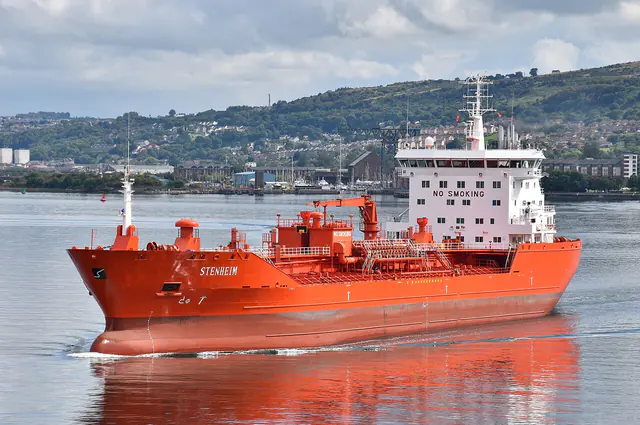
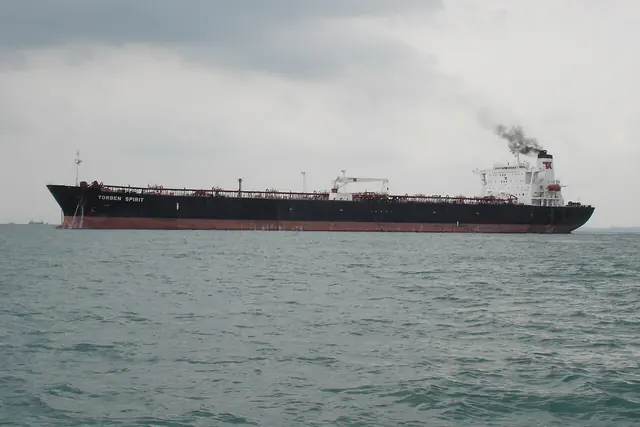
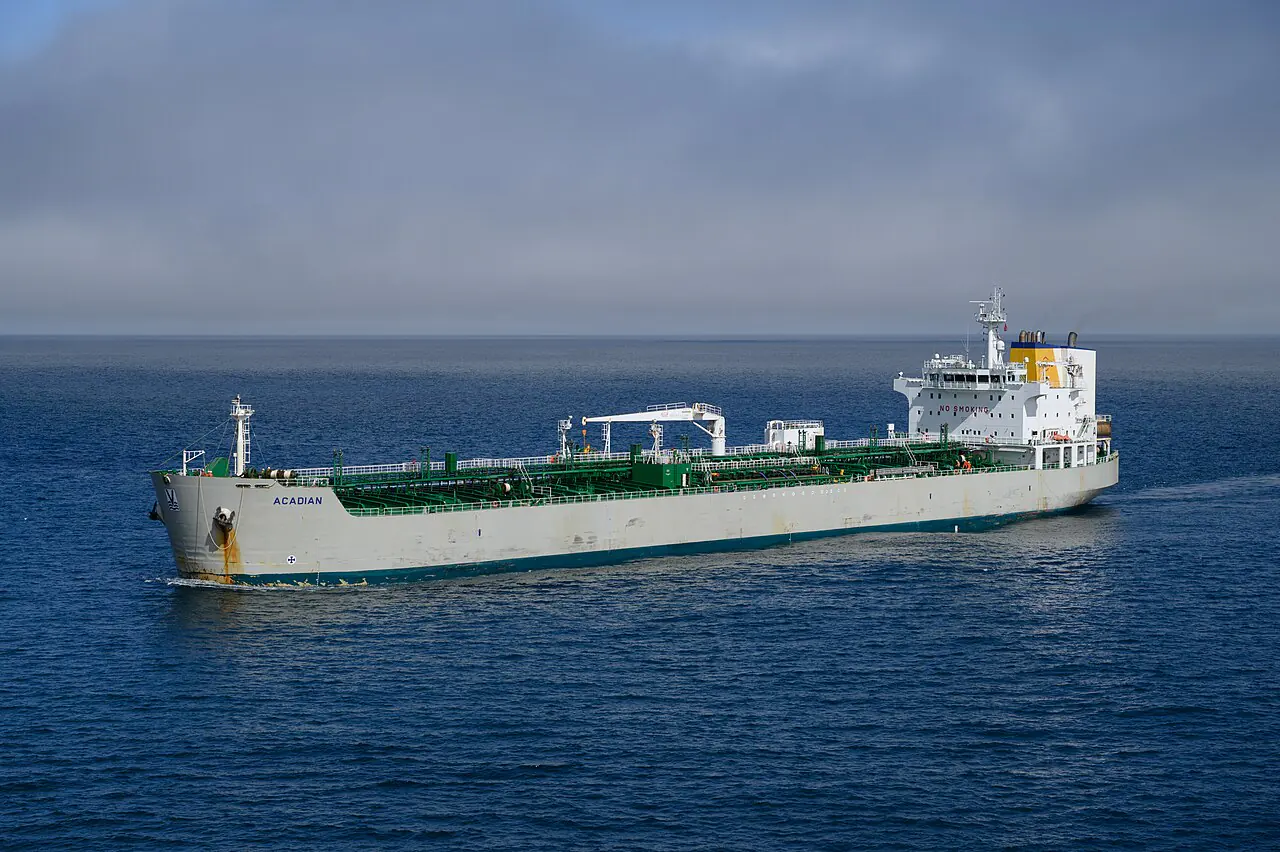
A product tanker is a specialized maritime vessel designed for the efficient and safe transportation of refined petroleum products—such as gasoline, diesel, jet fuel, naphtha, and kerosene—as well as certain chemical cargoes. Unlike crude oil tankers, which are designed to carry unrefined petroleum from extraction sites to refineries, product tankers bridge the gap between the refinery and the end consumer, transporting processed fuels to distribution hubs, storage terminals, and regional ports.
The defining technical characteristic of a product tanker is its cargo tank configuration. Because refined products often have different chemical compositions, flashpoints, and sensitivities to contamination, product tankers must provide high levels of cargo segregation. This is achieved through the use of multiple, independent tanks and advanced coating technologies that prevent cross-contamination between different grades of cargo.
Product tankers are classified primarily by their size and capacity, with the most common categories being:
- MR (Medium Range) Tankers: The workhorses of the industry, typically carrying between 30,000 and 55,000 deadweight tons (DWT).
- LR1 (Long Range 1) Tankers: Larger vessels, typically in the 55,000 to 80,000 DWT range.
- LR2 (Long Range 2) Tankers: The largest class of product tankers, often exceeding 80,000 DWT and sometimes reaching up to 120,000 DWT or more.
2. Mission and Operations
The primary mission of a product tanker is to maintain the global supply chain of refined energy products. Their operations are characterized by high frequency, diverse routes, and complex cargo management.
Cargo Types and Segregation
Product tankers handle a wide spectrum of liquid cargoes, categorized by their volatility and chemical nature:
- Clean Petroleum Products (CPP): Gasoline, naphtha, jet fuel, kerosene, gasoil, and diesel. These require high-purity tanks to prevent contamination.
- Dirty Petroleum Products (DPP): Fuel oil and heavy distillates. While “dirty” is a relative term in shipping, these are more viscous and less volatile than CPP.
- Chemicals: Specialized product tankers (often called chemical tankers) are equipped to carry a broader range of hazardous chemicals under strict International Bulk Chemical (IBC) Code guidelines.
Trading Patterns
Operational patterns depend heavily on the vessel class:
- MR Tankers are highly versatile and operate on both regional and intercontinental routes. They are small enough to enter many secondary ports and can carry “parcels” of different products simultaneously.
- LR1 and LR2 Tankers are primarily engaged in long-haul, intercontinental trades, moving large volumes of refined products from major refining hubs (e.g., the US Gulf Coast, Middle East, or Singapore) to major consumer markets.
3. Hull, Size, and Design
The design of a product tanker is a balance of structural integrity, cargo capacity, and regulatory compliance.
Hull Configuration
Since the implementation of stringent international regulations following major maritime accidents (such as the Exxon Valdez spill), all modern product tankers are required to have a double hull construction. This design includes an outer hull and an inner cargo tank hull, separated by a “void space” or ballast tank. This provides a critical buffer against hull breaches during groundings or collisions.
Technical Specifications by Class
The following table outlines the typical dimensions and capacities for the primary product tanker classes.
| Class | Typical DWT (MT) | Typical LOA (m) | Typical Beam (m) | Typical Laden Draft (m) |
|---|---|---|---|---|
| MR Tanker | 37,000 – 55,000 | 180 – 200 | 31 – 32.5 | 11 – 12 |
| LR1 Tanker | 55,000 – 80,000 | 220 – 240 | 32 – 33 | 12 – 14 |
| LR2 Tanker | 80,000 – 120,000 | 240 – 250 | 33 – 34 | 13 – 15 |
Tank Coatings
To ensure cargo purity and prevent corrosion from volatile chemicals, cargo tanks are lined with specialized coatings. Common choices include:
- Epoxy Coatings: The industry standard for most product tankers, providing excellent protection against corrosion and preventing minor contamination.
- Zinc Coatings: Often used in specific environments to provide sacrificial protection.
- Phenolic Coatings: Used for more aggressive chemical cargoes that might degrade standard epoxy.
4. Propulsion and Engines
Propulsion systems in product tankers are designed for reliability and fuel efficiency over long voyages.
Main Engines
The heart of the vessel is the Main Engine, typically a large, low-speed, two-stroke diesel engine (e.g., models from MAN Energy Solutions or WinGD). These engines are optimized for continuous operation at a steady cruising speed, often between 13 and 15 knots.
Auxiliary Power and Modern Trends
- Auxiliary Engines: Medium-speed diesel generators provide the electrical power required for cargo pumps, heating, navigation, and hotel loads.
- Decarbonization and Dual-Fuel: In response to environmental regulations, newer LR2 and MR vessels are increasingly being built with dual-fuel capabilities, allowing them to run on LNG (Liquefied Natural Gas) or Methanol.
- Scrubbers (EGCS): To comply with sulfur emission limits (IMO 2020), many existing vessels have been retrofitted with Exhaust Gas Cleaning Systems (scrubbers) to remove sulfur from exhaust gases.
5. Electrical System and Power
A product tanker’s electrical system is a complex, highly automated network that manages everything from propulsion assistance to cargo temperature control.
Key Components
- Power Generation: Multiple diesel generators (auxiliary engines) capable of being synchronized to meet varying loads.
- Main Switchboard (MSB): The central distribution point for all electrical power on board.
- Automation and Control: Modern vessels utilize Integrated Automation Systems (IAS) to monitor and control engine performance, tank levels, and electrical distribution.
- Emergency Power: A dedicated emergency generator, located above the waterline, ensures that essential services (navigation, communication, emergency lighting, and firefighting pumps) remain operational in the event of a total blackout.
6. Equipment and How It Is Used
The operational efficiency of a product tanker relies on specialized equipment for cargo handling and safety.
Cargo Handling Equipment
| Equipment | Function | Description |
|---|---|---|
| Cargo Pumps | Moving Cargo | Centrifugal pumps are used for high-volume transfer of clean products. Positive displacement pumps (like screw pumps) are used for more viscous or sensitive chemicals. |
| Inert Gas System (IGS) | Safety | Replaces the oxygen in cargo tanks with an inert gas (usually derived from engine exhaust) to prevent the formation of an explosive atmosphere. |
| Heating Coils | Temperature Control | Steam or thermal oil coils located within the tanks to maintain the viscosity of heavier products (e.g., fuel oil). |
| Vapor Recovery (VRS/VRU) | Emission Control | Captures volatile organic compounds (VOCs) released during loading to prevent atmospheric pollution. |
Manifold and Piping
The manifold is the connection point on the deck where the ship’s piping system meets the shore terminal’s loading arms. A complex network of valves and piping allows the crew to segregate different cargo grades into specific tanks.
7. Navigation, Communications, and Safety
Safety is paramount due to the volatile nature of the cargo.
Navigation and Communications
- Navigation: Vessels are equipped with ECDIS (Electronic Chart Display and Information System), high-resolution Radar/ARPA, AIS (Automatic Identification System), and sophisticated Gyrocompasses.
- Communication: Compliance with the GMDSS (Global Maritime Distress and Safety System) is mandatory, utilizing VHF, MF/HF radio, and satellite communications (Inmarsat).
Safety Systems
- Firefighting: Specialized systems including high-capacity foam monitors, CO2 smothering systems for engine rooms, and water spray/mist systems for cargo areas.
- Life-Saving Appliances (LSA): Fully enclosed lifeboats, liferafts, and personal flotation devices are standard.
- ISGOTT Compliance: All operations must strictly adhere to the International Safety Guide for Oil Tankers and Terminals (ISGOTT) to minimize risks during cargo transfer.
8. Crew and Organization
Operating a product tanker requires a highly trained, multi-disciplinary crew organized into two primary departments.
Deck Department
Responsible for navigation, cargo operations, and deck maintenance.
- Master (Captain): Overall command and legal responsibility.
- Chief Officer: Head of the deck department; primary responsibility for cargo operations and stability.
- Officers (2nd, 3rd): Navigation watchkeeping and maintenance of safety equipment.
- Ratings (Bosun, AB, OS): Deck maintenance and lookout duties.
Engine Department
Responsible for the operation and maintenance of all machinery.
- Chief Engineer: Head of the engine department.
- Engine Officers (2nd, 3rd, 4th): Watchkeeping and maintenance of engines, boilers, and auxiliary systems.
- Electro-Technical Officer (ETO): Specialist in electrical and electronic systems.
- Ratings (Oiler, Wiper): Engine room maintenance and cleaning.
9. Certificates and Training Requirements
Personnel on product tankers must meet rigorous international standards.
STCW Certification
The STCW (Standards of Training, Certification, and Watchkeeping) Convention defines the minimum requirements for competence. For tankers, crew must hold specific Tanker Endorsements (Oil or Chemical) that prove they have completed specialized training.
Essential Certificates
- Certificate of Competency (CoC): For officers.
- Document of Compliance (DOC): Issued to the shipping company.
- Safety Management Certificate (SMC): Proving compliance with the ISM Code.
- International Oil Pollution Prevention (IOPP) Certificate.
10. Regulations, Class, and Inspections
Product tankers operate under a dense web of international and national regulations.
Key Regulatory Frameworks
- IMO (International Maritime Organization): The global standard-setter.
- MARPOL: The main convention for preventing pollution (Annex I for oil, Annex VI for air emissions).
- SOLAS: The convention ensuring maritime safety (including fire and life-saving equipment).
- IBC Code: Regulates the carriage of bulk chemicals in tanks.
- ISM Code: Ensures safe management and operation of ships.
Classification Societies
Vessels are “classed” by organizations like DNV, Lloyd’s Register (LR), ABS, or Bureau Veritas (BV). These societies conduct regular surveys (annual, intermediate, and special surveys) to ensure the ship’s structural and mechanical integrity meets established standards.
11. Notable Shipyards, Operators, and Example Vessels
The product tanker industry is supported by a global network of highly specialized shipbuilders and owners.
Leading Shipyards
- Japan: Shin Kurushima, Imabari Shipbuilding.
- South Korea: Hyundai Vietnam (part of Hyundai Heavy Industries), Samsung Heavy Industries.
- China: Dalian Shipbuilding Industry (DSIC), Guangzhou Shipyard International (GSI), Yangzijiang Shipbuilding.
Major Operators and Examples
- Hafnia: A major global tanker owner (e.g., Hafnia Languedoc, an LNG-powered LR2).
- Vitol: A leading energy trader and shipowner (e.g., Elandra Kate, an LR2).
- Torm: A prominent independent tanker operator.
Verified Example Vessels
| Vessel Name | Class | DWT (Approx) | Notable Feature |
|---|---|---|---|
| Sanmar Songbird | MR | 47,000 | Standard MR product tanker |
| Celsius Rome | MR | 46,000 | High-capacity MR |
| LR1 Charm | LR1 | 73,500 | Panamax-sized LR1 |
| Ionian Duchess | LR2 | 114,000 | Large-scale LR2 product carrier |
| Hafnia Languedoc | LR2 | 110,000 | LNG Dual-Fuel technology |
| Leros | LR2 | 115,000 | Modern LR2 construction |
12. Environment and Future Outlook
The product tanker industry is undergoing a profound transformation driven by environmental imperatives and the energy transition.
Decarbonization
The IMO’s strategy to reduce greenhouse gas (GHG) emissions is driving the adoption of:
- Alternative Fuels: Moving from heavy fuel oil to Methanol, LNG, and eventually Ammonia or Hydrogen.
- Efficiency Technologies: Optimized hull forms, air lubrication systems (bubbles under the hull), and wind-assisted propulsion (e.g., rotor sails).
- Compliance Metrics: The implementation of EEXI (Energy Efficiency Existing Ship Index) and CII (Carbon Intensity Indicator) forces operators to continuously improve vessel efficiency.
Digitalization
The “Smart Tanker” concept uses real-time data, AI-driven route optimization, and remote monitoring to reduce fuel consumption and improve safety.
13. Facts, Records, and Common Misconceptions
- Misconception: “All tankers are the same.” Fact: Product tankers are fundamentally different from crude tankers in terms of cargo purity, tank coating, and pumping requirements.
- Misconception: “Product tankers only carry oil.” Fact: Many are specialized chemical tankers capable of carrying a wide range of non-petroleum chemicals.
- Fact: The MR tanker is the most numerous type of tanker in the world because of its flexibility in almost any port and trade route.
14. Glossary
- AIS: Automatic Identification System.
- Beam: The width of the ship at its widest point.
- CII: Carbon Intensity Indicator.
- DWT (Deadweight Tonnage): The total weight a ship can carry (cargo, fuel, water, etc.).
- ECDIS: Electronic Chart Display and Information System.
- GMDSS: Global Maritime Distress and Safety System.
- IGS: Inert Gas System.
- IMO: International Maritime Organization.
- LOA (Length Overall): The total length of the ship from bow to stern.
- MARPOL: International Convention for the Prevention of Pollution from Ships.
- MR: Medium Range Tanker.
- SOLAS: International Convention for the Safety of Life at Sea.
- STCW: Standards of Training, Certification, and Watchkeeping.