1. What Is This Ship?
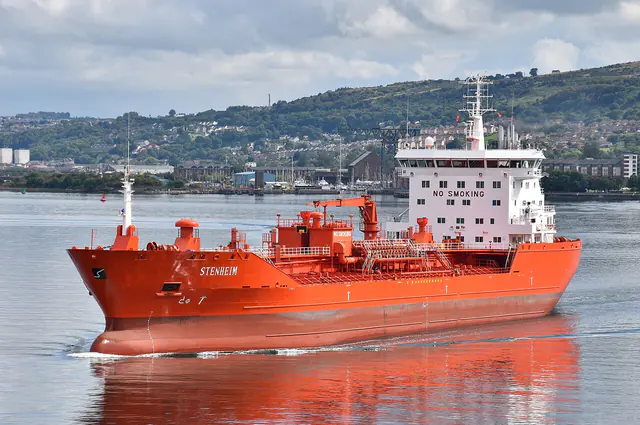
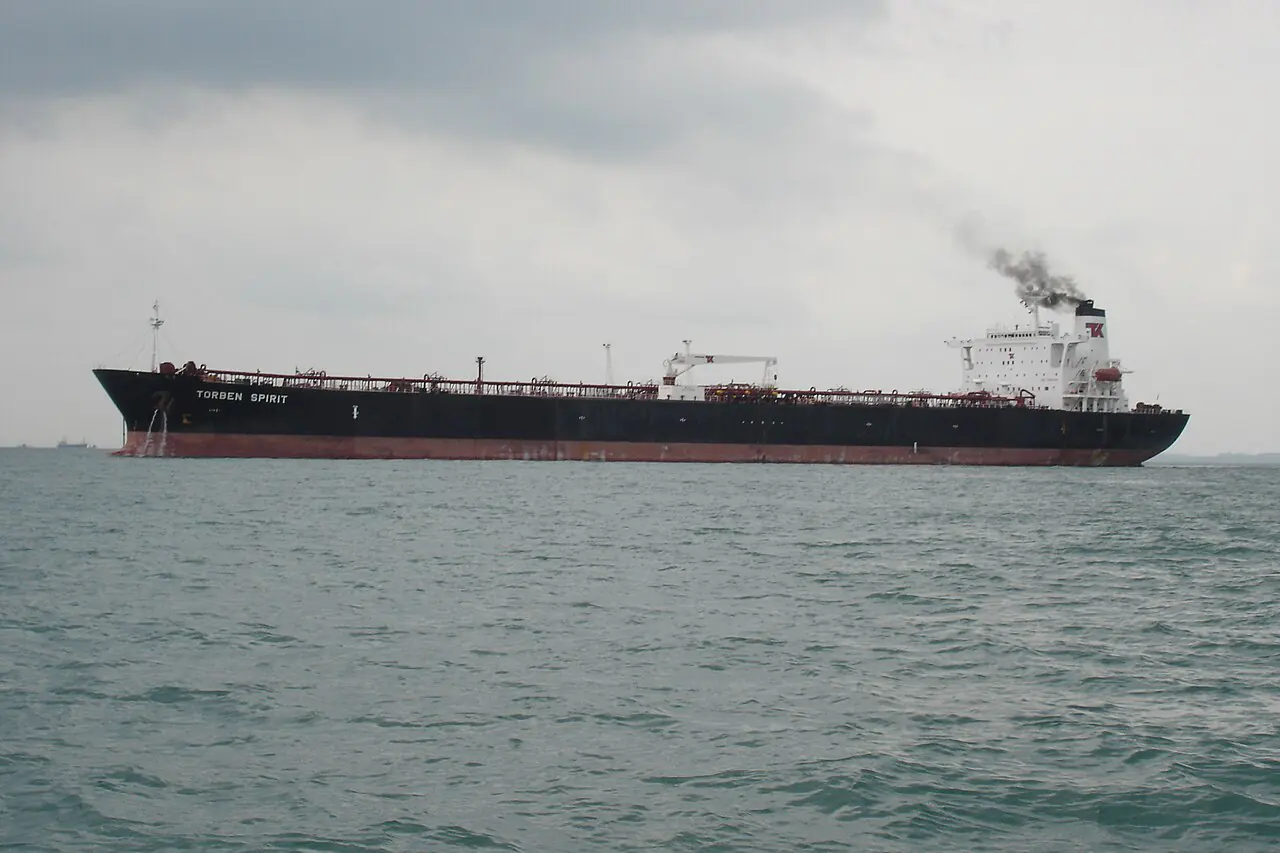
A crude oil tanker is a specialized maritime vessel engineered for the mass transportation of unrefined petroleum (crude oil) from extraction sites—typically offshore oil fields or coastal terminals—to global refining hubs. Unlike product tankers, which are designed to carry refined petroleum products such as gasoline, jet fuel, or diesel in segregated tanks, crude tankers are built to handle the high viscosity and chemical complexities of raw crude.
These vessels are the workhorses of the global energy supply chain. Because crude oil is often produced in remote locations far from major industrial centers, the economies of scale provided by massive tankers are essential for making global energy trade viable. Due to their immense size and the hazardous nature of their cargo, they are among the most strictly regulated and technologically advanced ships in existence.
2. Mission and Operations
The primary mission of a crude oil tanker is the efficient, safe, and large-scale movement of crude oil across ocean basins. This mission involves several distinct operational phases:
Loading Operations
Loading typically occurs at specialized terminals or via offshore loading buoys. The process requires high-capacity pumping systems and complex manifold connections. Crude oil is pumped from the storage tanks on land or offshore platforms into the ship’s cargo tanks. During this time, the vessel must carefully manage its stability, ballast, and the introduction of inert gas to maintain a safe atmosphere within the tanks.
Ocean Transit
Once loaded, the tanker undergoes long-haul voyages, often spanning weeks or months. During transit, the crew must maintain the cargo’s temperature (if necessary), manage fuel consumption through optimized routing, and ensure the vessel remains compliant with international environmental and safety regulations.
Discharge Operations
Upon arrival at a refinery or terminal, the cargo is discharged using the ship’s own cargo pumps or via shore-side suction. This process is critical to avoid “slop” or cargo residue left in the tanks, which can lead to economic loss and environmental hazards.
Key Trade Routes
- Middle East to Asia: Moving crude from the Persian Gulf to refineries in China, Japan, and South Korea.
- US Gulf to Europe/Asia: Transporting light sweet crude from the Americas to global markets.
- West Africa to Global Markets: A major source of medium-to-heavy crude for international refineries.
3. Hull, Size, and Design
The design of a crude oil tanker is dictated by two primary factors: cargo capacity and regulatory compliance regarding environmental protection.
Hull Design and Structural Integrity
The structural design of a tanker is a masterclass in naval architecture, as the vessel must withstand immense stresses while carrying a liquid cargo that shifts dynamically.
Longitudinal Strength: Hogging and Sagging
A tanker acts like a giant beam floating on the water. Because the weight of the cargo and the buoyancy of the hull are not always perfectly aligned, the ship experiences longitudinal stresses:
- Hogging: Occurs when the center of the ship is supported by a wave crest while the ends are in troughs, causing the middle to arch upward.
- Sagging: Occurs when the ends are supported by crests and the middle is in a trough, causing the ship to bend downward in the center. Engineers must ensure the hull’s “section modulus” is sufficient to prevent permanent deformation or catastrophic failure from these forces.
Double Hull Construction
Following major oil spill disasters in the late 20th century, the International Maritime Organization (IMO) mandated the transition to double hull construction via the MARPOL convention. A double hull consists of an inner and outer shell, creating a “void space” or “ballast tank” between them. In the event of a collision or grounding, this space acts as a buffer, significantly reducing the risk of a cargo spill into the marine environment. This design also provides additional buoyancy and structural rigidity.
Tankage and Sloshing
The interior is divided into numerous tanks by longitudinal and transverse bulkheads. These bulkheads serve two purposes: they provide structural strength and they prevent “sloshing”—the violent movement of liquid cargo within a tank—which can cause massive impact loads on the ship’s structure.
Vessel Classifications by Capacity
Tankers are categorized based on their Deadweight Tonnage (DWT)—the total weight a ship can carry, including cargo, fuel, fresh water, ballast, and crew.
| Class | Typical DWT Range | Description |
|---|---|---|
| Aframax | 80,000 – 120,000 | Versatile size, capable of entering many ports globally. |
| Suezmax | 120,000 – 200,000 | The largest size capable of transiting the Suez Canal in a laden condition. |
| VLCC (Very Large Crude Carrier) | 200,000 – 320,000 | The primary workhorse for long-haul ocean routes. |
| ULCC (Ultra Large Crude Carrier) | 320,000+ | The largest vessels ever built, used for massive bulk shipments. |
4. Propulsion and Engines
Moving hundreds of thousands of tons of cargo requires immense power and extreme efficiency.
Main Propulsion Engines
Crude tankers almost exclusively use low-speed, two-stroke, single-acting diesel engines. These engines are massive, often standing several stories high, and are designed to operate at very low RPMs (typically 60–120 RPM), allowing them to drive a large, fixed-pitch propeller directly without the need for a complex reduction gearbox.
The Two-Stroke Cycle and Scavenging
The two-stroke cycle is preferred for its simplicity and power density. In each stroke, the piston moves through a cycle of compression, power, and exhaust. To make this efficient, “scavenging” is used: as the piston moves down, fresh air is forced into the cylinder through ports in the liner, pushing out the spent exhaust gases. This process is heavily aided by a massive turbocharger, which uses the energy of the exhaust gas to compress incoming air, significantly increasing the engine’s thermal efficiency.
Leading Manufacturers
- MAN Energy Solutions (MAN B&W): A global leader in low-speed engine design.
- WinGD (Winter Werkstoff und Gesellschaft für Dieselmotoren): A major competitor providing advanced engine solutions.
Fuel Types and Transition
- HFO (Heavy Fuel Oil): Historically the standard due to its low cost.
- VLSFO (Very Low Sulfur Fuel Oil): Required by IMO 2020 regulations to reduce sulfur emissions.
- Dual-Fuel Systems: Modern tankers are increasingly designed to run on LNG (Liquefied Natural Gas) or emerging fuels like Methanol to meet decarbonization targets.
5. Electrical System and Power
The electrical system of a tanker must support both the massive power requirements of cargo machinery and the sensitive needs of navigation and crew accommodation.
Power Generation
Power is generated by multiple auxiliary diesel generator sets. These are typically medium-speed engines that provide electricity to the ship’s main switchboard. Redundancy is critical; if one generator fails, others must be able to pick up the load to maintain essential services (steering, cargo pumps, lighting).
Distribution
- High Voltage (HV): Used to power large-scale motors, such as those driving the cargo pumps.
- Low Voltage (LV): Used for bridge electronics, communication systems, and crew accommodation.
6. Equipment and How It Is Used
The specialized equipment on a crude tanker is designed to handle high-pressure, high-temperature, and potentially explosive liquids.
Cargo Pumping Systems
Discharging thousands of cubic meters of oil requires immense pressure.
- Centrifugal Pumps: The industry standard for crude discharge due to their reliability and ability to handle large volumes.
- Deepwell Pumps: Sometimes used in specialized applications to minimize cargo residue.
Inert Gas System (IGS)
Perhaps the most critical safety system on a tanker, the IGS replaces the oxygen in the cargo tanks with an inert gas (typically containing <5% oxygen) to prevent the formation of an explosive atmosphere.
- Operation: The system works by either diverting exhaust gas from the main engine (after scrubbing it to remove soot and sulfur) or by using a dedicated inert gas generator that burns fuel in a controlled chamber to produce nitrogen-rich gas.
Stripping and Slop Management
- Stripping Operations: After the main discharge, “stripping” is required to remove the final remnants of cargo from the bottom of the tanks. This is done using specialized stripping pumps (often screw or reciprocating) to ensure the tanks are as empty as possible.
- Slop Tanks: These are dedicated tanks used to separate water from oil. During discharge or cleaning, “slops” (a mixture of oil and water) are collected here and allowed to settle, enabling the recovery of oil and the safe disposal of water.
Cargo Heating Systems
Crude oil can be highly viscous, especially in colder climates. To ensure it remains fluid enough for pumping, tankers use heating systems:
- Steam Coils: A network of pipes inside the cargo tanks through which steam is circulated.
- Thermal Oil: A closed-loop system using heated oil, which offers more precise temperature control.
7. Navigation, Communications, and Safety
Safe navigation is paramount given the immense momentum of a fully laden tanker, which can take several miles to come to a stop.
Navigation and Communication
- ECDIS (Electronic Chart Display and Information System): The digital standard for maritime navigation.
- Radar (X-band and S-band): Essential for collision avoidance in all weather conditions.
- AIS (Automatic Identification System): Provides real-time position and identity data to other vessels and shore stations.
- GMDSS (Global Maritime Distress and Safety System): A collection of radio and satellite communications (including Inmarsat) used for distress alerting and maritime safety.
Safety and Firefighting
- Life-Saving Appliances (LSA): Including fire-protected lifeboats, liferafts, and immersion suits.
- Fire-Fighting Equipment (FFE): Includes high-capacity water monitors on deck, foam-based systems for oil fires, and CO2/Inergen systems for engine room protection.
8. Crew and Organization
A tanker is a highly organized floating industrial plant, requiring specialized skills.
Departments
- Deck Department: Responsible for navigation, cargo operations, and deck maintenance. Led by the Master and the Chief Officer (who is often the primary cargo officer).
- Engine Department: Responsible for the propulsion plant, electrical systems, and auxiliary machinery. Led by the Chief Engineer.
- Catering/Steward Department: Responsible for food and accommodation maintenance.
Key Roles
- Chief Officer: Manages cargo loading/unloading, stability, and deck crew.
- Second/Third Officers: Assist in navigation and watchkeeping.
- Engineers (Second/Third/Fourth): Maintain the engine room and machinery.
- Ratings (ABs, Oilers, Bosun): Execute manual tasks, maintenance, and watchkeeping duties.
9. Certificates and Training Requirements
Operating a tanker requires rigorous certification to comply with international law and ensure safety.
Essential Certificates
- Certificate of Registry: Proves the ship’s nationality.
- Safety Management Certificate (SMC): Verifies compliance with the International Safety Management (ISM) Code.
- Document of Compliance (DOC): Issued to the company operating the ship.
- International Ship Security Certificate (ISSC): Verifies compliance with the ISPS Code.
Mandatory Training
All crew members must hold certificates under the STCW (Standards of Training, Certification and Watchkeeping) convention. For tankers, specialized training is mandatory:
- Basic Tanker Training: For all crew.
- Advanced Tanker Cargo Operations: For officers in charge of cargo.
10. Regulations, Class, and Inspections
Tankers operate within a dense web of international and commercial oversight.
Regulatory Bodies
- IMO (International Maritime Organization): Sets the global standards for safety, security, and environmental performance.
- MARPOL: The primary convention for preventing pollution from ships. Annex I specifically governs the prevention of pollution by oil. * Oil Record Book (ORB): A mandatory legal document where every movement of oil (including loading, discharge, bilge water transfer, and sludge disposal) must be recorded. Discrepancies in the ORB are a major focus of maritime authorities and can lead to heavy fines or imprisonment.
- SOLAS: The primary convention for ship safety.
- Classification Societies: Organizations like DNV, ABS, Lloyd’s Register, and Bureau Veritas establish technical standards for hull construction and machinery. They conduct regular surveys to ensure the ship remains “in class.”
Commercial Inspections
- SIRE (Ship Inspection Report Programme): Managed by OCIMF (Oil Companies International Marine Forum), SIRE inspections are requested by oil companies (charterers) to assess the safety and operational quality of a vessel before hiring it.
11. Notable Shipyards, Operators, and Example Vessels
Shipyards
The majority of modern crude tankers are built in East Asia:
- South Korea: Hanwha Ocean (formerly DSME), Samsung Heavy Industries, Hyundai Heavy Industries.
- China: China State Shipbuilding Corporation (CSSC).
Operators
Global energy majors and specialized shipping companies operate these fleets:
- Examples: Shell, BP, Chevron, Maersk Tankers, and various large-scale tanker owners.
Example Vessel: The TI Class
The TI Class represents some of the largest operational ULCCs in the world.
- Key Vessels: TI Africa, TI Asia, TI Europe, TI Oceania.
- Specifications: ~441,893 DWT, Length 380m, Beam 68m, Capacity 2.8 million barrels.
12. Environment and Future Outlook
The maritime industry is currently undergoing its most significant transformation in a century: the transition to zero-emission shipping.
Decarbonization and Regulations
- EEXI (Energy Efficiency Existing Ship Index): A technical standard for ship design to reduce emissions.
- CII (Carbon Intensity Indicator): An operational rating system that tracks the carbon efficiency of a ship.
Future Fuel Trends
To meet these targets, the industry is exploring:
- LNG (Liquefied Natural Gas): A transitional fuel with lower carbon intensity than HFO.
- Methanol & Ammonia: Emerging “green” fuels that can be produced with renewable energy.
- Hydrogen: A long-term prospect for zero-carbon shipping.
Digitalization and Autonomy
The future of tankers also includes digitalization. This involves the use of remote monitoring, predictive maintenance, and even autonomous navigation to increase efficiency and reduce human error in one of the world’s most demanding environments.
13. Facts, Records, and Common Misconceptions
- Misconception: “Oil Tanker” is a catch-all term. In reality, the industry makes a sharp distinction between Crude Tankers (raw oil) and Product Tankers (refined oil). They have different designs, pump systems, and operational procedures.
- Fact: Size matters for economies of scale. A single ULCC can carry the equivalent of several hundred standard trucks worth of oil, making it the most efficient way to move energy across the globe.
- Fact: Stability is dynamic. A tanker’s stability changes drastically as it moves from a fully laden state to a ballast state (empty).
14. Glossary
- AIS: Automatic Identification System.
- Ballast: Water used to stabilize a ship when it is not carrying cargo.
- DWT (Deadweight Tonnage): The total weight a ship can carry.
- ECDIS: Electronic Chart Display and Information System.
- HFO: Heavy Fuel Oil.
- IGS: Inert Gas System.
- IMO: International Maritime Organization.
- MARPOL: International Convention for the Prevention of Pollution from Ships.
- OCIMF: Oil Companies International Marine Forum.
- SIRE: Ship Inspection Report Programme.
- SOLAS: Safety of Life at Sea.
- STCW: Standards of Training, Certification and Watchkeeping.
- ULCC: Ultra Large Crude Carrier.
- VLCC: Very Large Crude Carrier.