1. What Is This Ship?
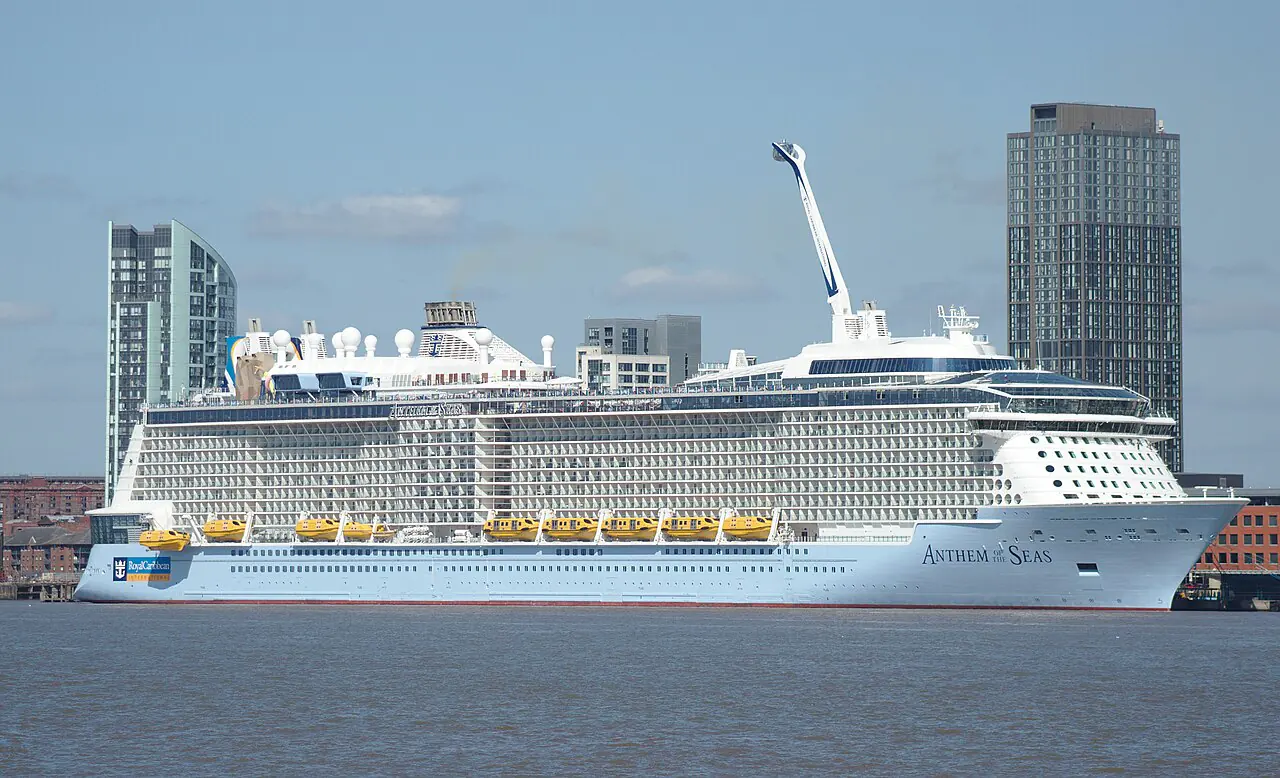
A cruise ship is a massive, highly specialized passenger vessel designed for the primary purpose of leisure travel. Unlike traditional ocean liners, which were engineered as high-speed transportation vessels to move passengers between continents (such as the North Atlantic crossing), cruise ships are mobile luxury resorts. Their design philosophy prioritatizes passenger comfort, onboard entertainment, and amenities over transit speed or extreme ocean-crossing durability.
Technically, a cruise ship is distinguished from other passenger vessels by its “hotel load”—the immense amount of power and logistical support required to maintain luxurious accommodations for thousands of people. While they must comply with the most stringent international maritime safety and seaworthiness standards, their architectural configuration often features a much higher ratio of superstructure to hull compared to cargo or specialized transport ships.
The Evolution of the Cruise Ship
The concept of the cruise ship evolved from the late 19th and early 20th-century ocean liners. As air travel took over the role of rapid transoceanic transport, shipbuilders pivoted toward the growing market for leisure travel. This led to a shift from “transportation-first” engineering to “experience-first” engineering. Modern cruise ships have become floating cities, capable of hosting upwards of 7,000 passengers and 2,500 crew members, all while maintaining stability in varying sea states.
Key Distinctions: Cruise Ship vs. Ocean Liner
| Feature | Cruise Ship | Ocean Liner |
|---|---|---|
| Primary Mission | Leisure and onboard experience | Transport between ports |
| Route Type | Frequent stops, varied itineraries | Long-distance, transoceanic |
| Hull Design | Optimized for stability and amenities | Optimized for speed and heavy seas |
| Speed | Typically 18–24 knots | Typically 25–30+ knots |
| Structural Integrity | High, but optimized for stability | Very high, built for heavy weather |
| Passenger Focus | High-density amenities/entertainment | Premium transit/comfort |
2. Mission and Operations
The mission of a cruise ship is a complex interplay of hospitality and high-stakes maritime logistics. Operationally, these vessels function on a cyclical schedule of voyages, port calls, and maintenance windows.
Itinerary and Voyage Planning
Cruise itineraries are meticulously planned to optimize passenger satisfaction and port accessibility. This involves coordinating with local port authorities, managing seasonal demand (e.g., Caribbean in winter, Mediterranean in summer), and ensuring that the ship’s draft and beam allow for safe entry into various harbors.
The Turnaround Process
One of the most intense periods in a cruise ship’s operational life is the “turnaround day.” This occurs in the 24 to 48-hour window when a ship is in port to swap its entire passenger complement. This process requires:
- Logistical Precision: Simultaneous embarkation of new passengers and disembarkation of departing ones.
- Massive Provisioning: Loading of thousands of tons of fresh food, beverage, and technical supplies.
- Sanitation and Maintenance: Deep cleaning of all cabins, public spaces, and technical systems.
- Waste Management: Clearing out the waste generated by the previous voyage.
Revenue and Experience Management
The operational success of a cruise ship is measured not just by passenger volume, but by “onboard spend”—the revenue generated through specialty dining, excursions, spas, and casinos. This necessitates an engineering design that supports high-density, high-quality service delivery throughout the vessel.
3. Hull, Size, and Design
The design of a cruise ship is a feat of multi-disciplinary engineering, balancing hydrodynamic efficiency, structural integrity, and the maximization of usable internal volume.
Hull Geometry and Hydrodynamics
Most modern cruise ships utilize a displacement hull or a semi-displacement hull design. The primary goal is to minimize resistance (drag) while providing a stable platform for passengers.
- Bulbous Bow: A prominent feature at the bow designed to create a wave that partially cancels out the ship’s own bow wave. This reduces wave-making resistance and significantly improves fuel efficiency.
- Hull Coatings: High-tech anti-fouling coatings are applied to the hull to prevent the growth of marine organisms (like barnacles), which can increase drag and fuel consumption.
- Draft and Beam Optimization: The beam (width) must be sufficient to provide stability and accommodate wide internal spaces, while the draft (depth below waterline) must be shallow enough to allow the ship to enter many common cruise ports.
Stability and Motion Control
Because cruise ships have an extremely high center of gravity due to their massive superstructures (often reaching 20+ decks), managing stability is critical.
- Metacentric Height (GM): Engineers must carefully design the ship’s hull and weight distribution to ensure a positive metacentric height, which provides the “righting lever” to return the ship to an upright position after being tilted by waves.
- Active Fin Stabilizers: Large, retractable hydrodynamic fins located on the sides of the hull. These act like airplane wings underwater, generating lift to counteract the rolling motion caused by waves.
- Ballast Management: Sophisticated automated systems move seawater between ballast tanks to adjust the ship’s trim (fore-aft balance) and heel (side-to-side balance).
Classification by Size
| Metric | Small/River Cruise | Mid-Sized Cruise Ship | Mega Cruise Ship |
|---|---|---|---|
| Gross Tonnage (GT) | 1,000 – 15,000 | 50,000 – 120,000 | 150,000 – 250,000+ |
| Length (m) | 30 – 150 | 200 – 300 | 330 – 380+ |
| Beam (m) | 10 – 25 | 30 – 40 | 45 – 60+ |
| Draft (m) | 2 – 5 | 7 – 9 | 8 – 10+ |
| Passenger Capacity | 50 – 1,000 | 2,000 – 4,000 | 5,000 – 7,000+ |
4. Propulsion and Engines
Propulsion systems on cruise ships have undergone a revolution, moving from direct mechanical drives to highly efficient, flexible electrical systems.
Diesel-Electric Propulsion (DEP)
DEP is the industry standard for modern cruise vessels. In this architecture, the ship’s main engines (diesel generators) do not directly drive the propellers. Instead, they generate electricity, which is then distributed to electric propulsion motors.
- Advantages:
- Flexibility: Engines can be placed anywhere in the hull, allowing for better weight distribution and more space for passengers.
- Efficiency: Engines can be optimized for specific loads, and the system can easily scale power up or down based on demand.
- Reduced Vibration: Electric motors produce significantly less vibration and noise than direct-drive engines, enhancing passenger comfort.
Azipod Propulsion Systems
A major advancement in cruise ship propulsion is the Azipod system. Unlike traditional propeller shafts and rudders, Azipods are electric propulsion units housed in a pod underneath the ship that can rotate 360 degrees.
- Maneuverability: They allow for incredible precision, enabling mega-ships to dock in tight spaces without the assistance of tugboats in many cases.
- Efficiency: By eliminating long propeller shafts and rudders, they reduce mechanical losses and hydrodynamic drag.
Engine Technologies
Most cruise ships utilize Medium-Speed Diesel Engines (four-stroke). These engines are preferred because they offer an optimal balance between power density, reliability, and fuel efficiency. In recent years, there has been a significant move toward Dual-Fuel Engines, which can run on both traditional marine fuels and cleaner-burning Liquefied Natural Gas (LNG).
| Component | Typical Specification |
|---|---|
| Engine Type | Medium-speed, four-stroke diesel (or Dual-Fuel) |
| Propulsion Method | Electric motors (Azipod or Shaft) |
| Fuel Type | MGO, VLSFO, or LNG |
| Redundancy | N+1 or N+2 (Multiple independent generators) |
| Power Output | Tens of megawatts (MW) |
5. Electrical System and Power
The electrical system of a cruise ship is arguably its most complex technical subsystem. It must manage a massive and fluctuating load while maintaining absolute reliability.
The “Hotel Load” Challenge
In a cargo ship, the electrical load is primarily for propulsion, lighting, and basic electronics. In a cruise ship, the hotel load is enormous and often exceeds the propulsion load in certain operational modes. This includes:
- Climate Control: Massive HVAC (Heating, Ventilation, and Air Conditioning) systems required to keep thousands of cabins and public spaces comfortable.
- Culinary Infrastructure: Industrial-scale refrigeration, ovens, and food processing equipment for thousands of meals daily.
- Water Production: High-capacity desalination and purification plants.
- Guest Amenities: Elevators, lighting, audiovisual systems, Wi-Fi, and laundry services.
Power Generation and Microgrid Management
Cruise ships operate as self-contained microgrids. Power is generated by a bank of large diesel generators (GenSets).
- Load Management: Advanced control systems monitor real-time demand and automatically start or stop GenSets to maintain optimal efficiency and prevent overloading.
- Power Quality: High-precision voltage regulators and frequency controllers are essential to prevent power surges that could damage sensitive electronics or guest equipment.
- Emergency Power: In the event of a main power failure, dedicated emergency generators (located above the waterline) automatically start to provide power for critical navigation, communication, and life-safety systems.
6. Equipment and How It Is Used
A cruise ship is a self-sufficient entity, equipped with specialized machinery to sustain life and luxury at sea.
Vital Technical Systems
- Desalination (Reverse Osmosis): To provide fresh water, cruise ships use large-scale Reverse Osmosis (RO) plants. These systems force seawater through semi-permeable membranes at high pressure, removing salts and impurities.
- HVAC and Air Management: To maintain air quality and temperature, ships use complex ducting systems, air scrubbers, and heat exchangers. Managing humidity is a critical component to prevent mold and ensure comfort.
- Waste Management and Treatment:
- Sewage Treatment Plants (STP): Biological and chemical processes treat “black water” (sewage) to meet strict MARPOL standards before discharge.
- Grey Water Management: “Grey water” (from sinks and showers) is treated separately.
- Incinerators: Used for solid waste, though subject to strict emission controls.
- Stabilization Systems: As mentioned, active fin stabilizers and ballast control systems are essential for minimizing the motion of the ship.
Passenger-Facing “Equipment”
The “equipment” on a cruise ship also includes the vast array of recreational amenities:
- Theater and AV Systems: Complex stage machinery and high-fidelity audio/visual setups.
- Water Features: Large-scale filtration and pumping systems for pools, slides, and splash pads.
- Kitchen/Galley Equipment: Industrial-grade machinery for mass food production.
7. Navigation, Communications, and Safety
Maritime safety is governed by international law, and cruise ships must meet the highest standards of the SOLAS (Safety of Life at Sea) convention.
Navigation and Situational Awareness
- Radar (Radio Detection and Ranging): Essential for detecting other vessels, land, and weather patterns, especially in low visibility.
- AIS (Automatic Identification System): A transponder system that broadcasts the ship’s identity, position, course, and speed to other ships and shore-based stations, significantly reducing the risk of collision.
- ECDIS (Electronic Chart Display and Information System): The digital evolution of paper charts, integrating GPS, radar, and AIS data into a single, real-time navigational interface.
- Gyrocompass and GPS: Provide the fundamental heading and positional data required for all navigation.
Communication Systems
- GMDSS (Global Maritime Distress and Safety System): A collection of radio and satellite-based communication tools (including Inmarsat and NAVTEX) designed to ensure that a ship in distress can always call for help.
- Satellite Communication: Provides high-speed internet and voice communication for both operational needs and passenger services.
Safety and Life-Saving Appliances
- Lifeboats and Liferafts: Must be readily accessible and capable of carrying more than the total number of people on board. Modern lifeboats are often enclosed to protect against the elements.
- Fire Suppression: Includes sophisticated smoke and heat detection, automatic sprinkler systems, and specialized CO2 or foam systems for engine room fires.
- Stability Monitoring: Real-time sensors continuously monitor the ship’s center of gravity, heel, and trim to provide early warning of potential stability issues.
8. Crew and Organization
Operating a cruise ship requires a highly disciplined and organized workforce, typically divided into three primary departments.
The Command Structure
- Deck Department: The “operational” heart of the ship. Responsible for navigation, watchkeeping, hull integrity, and deck maintenance. The Captain (Master) holds ultimate authority and responsibility for the vessel, its crew, and its passengers.
- Engine Department: The “technical” heart of the ship. Responsible for the propulsion, electrical, and mechanical systems. The Chief Engineer leads this department and ensures all technical systems are functioning safely and efficiently.
- Hotel Department: The “service” heart of the ship. Responsible for all passenger-facing services, including food and beverage, housekeeping, entertainment, and medical services. The Hotel Director manages this massive team.
Departmental Roles
| Department | Key Roles | Primary Responsibilities |
|---|---|---|
| Deck | Captain, Chief Mate, Second Mate, Bosun | Navigation, safety, deck maintenance |
| Engine | Chief Engineer, Second Engineer, Electrician | Propulsion, electrical, mechanical |
| Hotel | Hotel Director, Purser, Executive Chef, Housekeeper | Passenger service, food, housekeeping |
9. Certificates and Training Requirements
Working on a cruise ship requires meeting rigorous international standards for training and competency.
STCW (Standards of Training, Certification and Watchkeeping)
The STCW convention is the cornerstone of maritime training. It defines the minimum standards for:
- Basic Safety Training: Firefighting, personal survival techniques, elementary first aid, and personal safety and social responsibility.
- Watchkeeping: Ensuring officers are competent to navigate and maintain a safe watch.
- Specialized Roles: Advanced training for engineers, radio operators, and medical staff.
Other Requirements
- Seaman’s Book: An official identification document issued by national maritime authorities, serving as a permanent record of a seafarer’s service.
- Medical Fitness: Regular medical examinations to ensure crew members are physically and mentally capable of long periods at sea.
- Security Awareness: Training in maritime security to prevent piracy and other threats.
10. Regulations, Class, and Inspections
Cruise ships operate within a strict global regulatory framework to ensure safety, environmental protection, and operational integrity.
Key Regulatory Frameworks
- IMO (International Maritime Organization): The United Nations agency that sets the global standards for maritime safety, security, and environmental performance.
- SOLAS (Safety of Life at Sea): The most critical convention for ship construction, equipment, and operational safety.
- MARPOL (Marine Pollution): The primary regulation for preventing pollution from ships (oil, sewage, garbage, air emissions).
- STCW: Regulates the training and certification of seafarers.
Classification Societies
To ensure that ships are built and maintained to high technical standards, they are “classed” by independent organizations known as Classification Societies (e.g., DNV, Lloyd’s Register, ABS). These societies:
- Review ship designs for structural and technical adequacy.
- Conduct regular inspections (annual, intermediate, and special surveys) to verify compliance.
- Issue “Class Certificates” that are essential for insurance and operation.
11. Notable Shipyards, Operators, and Example Vessels
Leading Shipyards
The production of modern cruise ships is concentrated in a few highly specialized shipyards globally.
- Meyer Werft (Germany): Renowned for building the world’s most advanced and largest cruise ships.
- Fincantieri (Italy): A global leader in cruise ship construction with a massive capacity.
- Chantiers de l’Atlantique (France): Known for high-tech, innovative vessel designs.
Major Cruise Operators
The industry is dominated by several large corporations that manage massive fleets.
- Carnival Corporation & plc
- Royal Caribbean Group
- Norwegian Cruise Line Holdings
- MSC Cruises
Example Vessels
| Vessel Name | Operator | Type | Notable Feature |
|---|---|---|---|
| Icon of the Seas | Royal Caribbean | Mega Cruise Ship | World’s largest cruise ship (as of 2024) |
| Queen Mary 2 | Cunard | Ocean Liner | Built for transoceanic speed and stability |
| Wonder of the Seas | Royal Caribbean | Mega Cruise Ship | Features massive onboard water parks |
| Disney Wish | Disney Cruise Line | Large Cruise Ship | Highly specialized themed interior design |
| Celebrity Beyond | Celebrity Cruises | Large Cruise Ship | Focus on modern luxury and design |
12. Environment and Future Outlook
The cruise industry is undergoing a major technological shift to address its environmental impact and comply with increasingly stringent international regulations.
Environmental Challenges
- Air Emissions: Reducing sulfur oxides (SOx), nitrogen oxides (NOx), and particulate matter through cleaner fuels and scrubbers.
- Water Pollution: Improving the treatment of black and grey water and managing ballast water to prevent the spread of invasive species.
- Waste Management: Minimizing single-use plastics and finding more efficient ways to manage food and solid waste.
The Future: Sustainable Propulsion
The industry is exploring several paths toward decarbonization:
- LNG (Liquefied Natural Gas): Currently the most widely adopted “clean” fuel, significantly reducing SOx and particulate emissions.
- Hybrid & Electric Systems: Using large-scale battery storage to assist diesel engines or provide zero-emission power in port.
- Hydrogen Fuel Cells: An emerging technology that produces electricity with only water as a byproduct.
- Ammonia and Methanol: Being investigated as potential carbon-neutral or low-carbon liquid fuels for the future.
- Shore Power (Cold Ironing): Enabling ships to connect to the local electrical grid while docked, allowing them to shut down their engines and eliminate local emissions in port.
13. Facts, Records, and Common Misconceptions
- Myth: “Cruise ships are just big hotels.” Fact: They are highly complex engineering marvels with sophisticated propulsion, stability, and life-support systems.
- Myth: “Cruise ships are bad for the environment.” Fact: While they face challenges, the industry is leading in many areas of maritime technological innovation, such as LNG and advanced waste treatment.
- Record: The scale of cruise ships is increasing exponentially, with “Mega-ships” now reaching over 250,000 GT.
- Fact: Modern cruise ships are significantly more stable and safer than the vessels of the mid-20th century.
14. Glossary
- Azipod: A steerable, electric propulsion unit.
- Beam: The width of a ship at its widest point.
- Draft: The vertical distance between the waterline and the bottom of the hull (keel).
- Gross Tonnage (GT): A non-linear measure of the total internal volume of a vessel.
- MARPOL: International Convention for the Prevention of Pollution from Ships.
- Metacentric Height (GM): A measure of a ship’s initial stability.
- SOLAS: International Convention for the Safety of Life at Sea.
- STCW: Standards of Training, Certification and Watchkeeping for Seafarers.
- Bulbous Bow: A protrusion at the bow that reduces wave resistance.
- Desalination: The process of removing salt from seawater to produce fresh water.
15. Sources
- Britannica - Ship Technology
- Wikipedia - Cruise Ship
- ABB - Azipod Information
- IMO - Maritime Safety
- Royal Caribbean - Icon of the Seas Specs
- Carnival Corporation - Corporate Information
- DNV - Maritime Standards
- Lloyd’s Register - Ship Classification
- MSC Cruises - Official Site
- Fincantieri - Shipbuilding
- Meyer Werft - Shipbuilding
- STCW Online - Training Info