1. What Is This Ship?
Electric and hybrid ferries are specialized passenger and vehicle transport vessels that utilize electrical energy—stored in onboard batteries or generated by diesel engines—to drive propulsion motors. This ship type is categorized into two primary configurations based on their level of electrification:
Full Battery-Electric Ferries
These vessels rely exclusively on onboard energy storage systems (ESS), typically large-scale lithium-ion battery banks, for all propulsion and auxiliary power. They produce zero local emissions (CO2, NOx, SOx, or particulate matter) and operate with near-silent propulsion. Due to the energy density limitations of current battery technology, full electric ferries are most effective for short-distance, high-frequency routes with frequent docking opportunities for “opportunity charging.”
Hybrid-Electric Ferries
Hybrid ferries combine traditional internal combustion engines (typically diesel) with electrical energy storage systems. This configuration offers significantly greater range and flexibility than pure electric vessels. Hybridization can take several forms:
- Series Hybrid (Diesel-Electric): Diesel engines drive electrical generators, which provide power to a central DC or AC bus to drive electric motors. The battery acts as a buffer for peak shaving and provides silent operation in sensitive areas.
- Parallel Hybrid: The vessel features both a mechanical drivetrain (diesel engine connected to the shaft) and an electrical drivetrain (electric motor). The two can work together (Power Take-In/Power Take-Off) or independently.
- Plug-in Hybrid: Similar to hybrid road vehicles, these ferries can be recharged from shore-side power stations, allowing for extended periods of emission-free operation.
2. Mission and Operations
The operational profile of an electric or hybrid ferry is fundamentally dictated by the energy density of its power source.
Commuter and Urban Transit
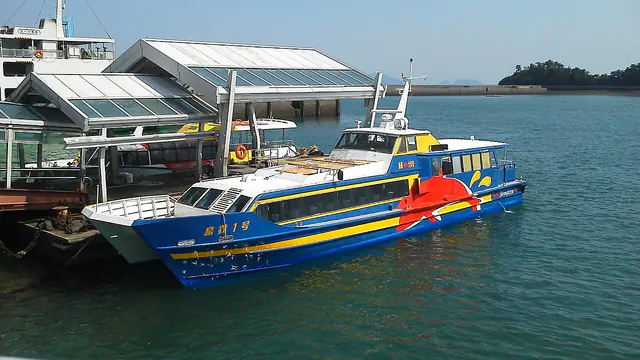
In urban environments, ferries serve as vital links in public transportation networks. These missions typically involve short crossings (5–20 minutes) with very high frequency. For these vessels, opportunity charging is the primary operational model. The ferry docks at a terminal equipped with high-power chargers, replenishing its batteries during the passenger embarkation and disembarkation process. This minimizes downtime and allows for continuous service.
Regional and Coastal Transport
For longer routes (e.g., spanning fjords or island chains), hybrid configurations are preferred. These vessels must maintain reliability over longer durations and may encounter varying weather conditions that require higher power outputs. Hybrid systems allow the vessel to utilize diesel power for the transit segments while switching to battery power for maneuvering in ports, reducing noise and local pollution in sensitive coastal communities.
Tourism and Leisure
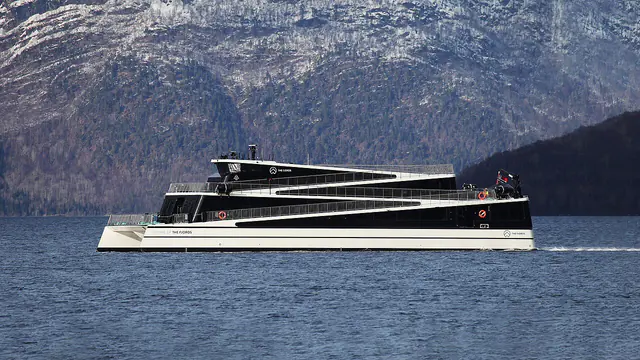
Electric propulsion is highly valued in the tourism sector, particularly in environmentally protected areas like the Norwegian fjords or national parks. The ability to operate silently and without visible exhaust enhances the passenger experience and fulfills strict environmental regulations imposed by local authorities.
3. Hull, Size, and Design
Designing an electric or hybrid ferry requires a departure from traditional naval architecture due to the unique weight, volume, and safety requirements of large-scale battery installations.
Weight Distribution and Stability
Batteries are significantly heavier and more voluminous than the diesel fuel tanks they replace for a given energy capacity. This increased mass must be carefully integrated into the hull design to maintain the vessel’s center of gravity and stability. Designers often place battery rooms low in the hull (below the waterline) to improve stability, though this necessitates stringent watertight and fire-containment boundaries.
Hull Material and Construction
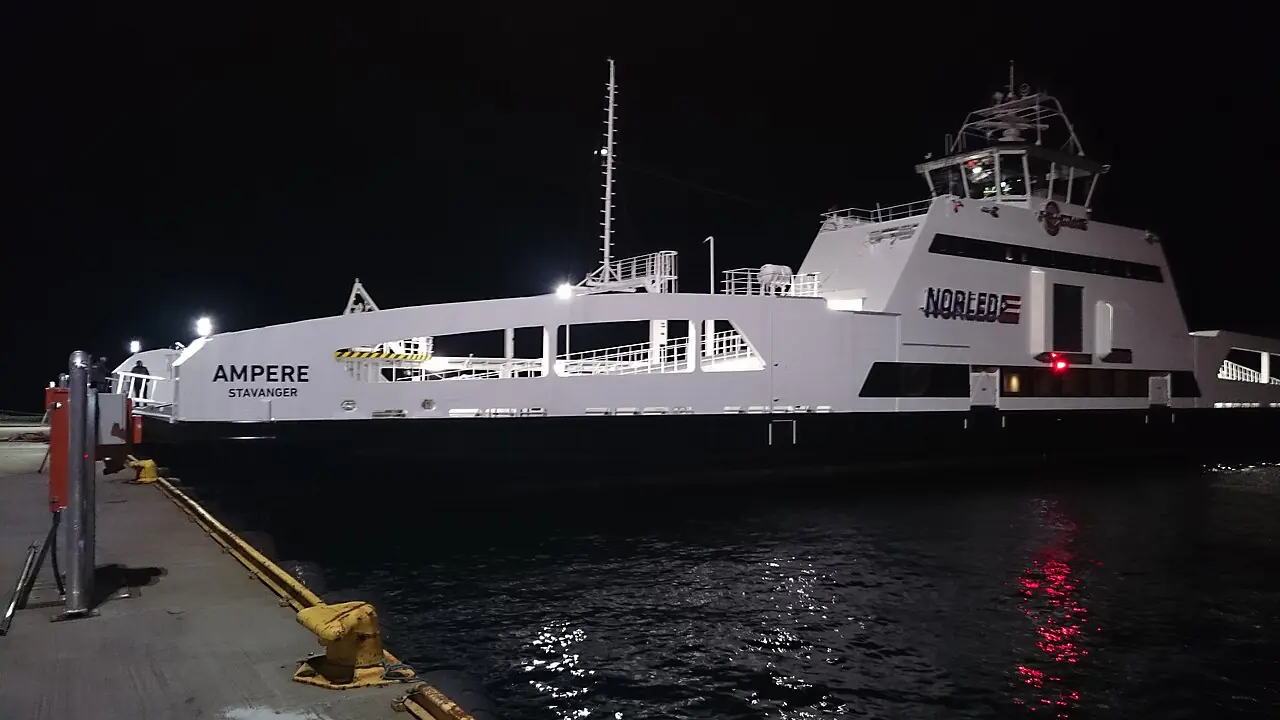
- Aluminum: Widely used in smaller to medium-sized electric ferries (e.g., MF Ampere) due to its high strength-to-weight ratio, which helps offset the weight of the battery banks.
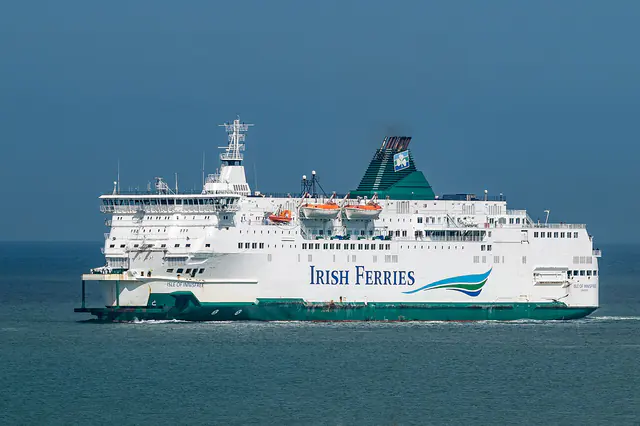
- Steel: Preferred for larger Ro-Pax hybrid ferries where structural integrity and volume for large diesel/generator sets are paramount.
- Composites: Used in very small, lightweight commuter vessels to maximize the limited energy available from smaller battery packs.
Capacity and Layout
The internal arrangement must balance passenger/vehicle capacity with the space required for the Energy Storage System (ESS), power electronics, and cooling systems. In hybrid vessels, the design must accommodate both the diesel engine room and the electrical equipment rooms, often leading to more complex internal layouts compared to traditional diesel ships.
4. Propulsion and Engines
The propulsion system is the heart of an electric or hybrid ferry, transitioning from mechanical energy transfer to highly controlled electrical energy conversion.
Electric Propulsion Motors
Instead of diesel engines directly driving propeller shafts, these vessels use electric motors. Common types include:
- Permanent Magnet Motors (PMM): Highly efficient and compact, making them ideal for battery-electric vessels where space and weight are critical. They offer excellent torque characteristics at low speeds, which is essential for ferry maneuvering.
- Synchronous Reluctance Motors (SynRM): An emerging technology that provides high efficiency without the need for rare-earth magnets, potentially reducing cost and supply chain risk.
- Induction Motors: Historically common in marine applications due to their robustness, though they are generally less efficient and have lower power density than PMMs.
Energy Storage Systems (ESS)
The ESS provides the electrical energy for propulsion and auxiliary systems.
- Lithium-Ion (Li-ion) Batteries: The industry standard due to high energy density and high power discharge rates.
- NMC (Nickel-Manganese-Cobalt): Offers high energy density, suitable for larger vessels requiring longer range.
- LFP (Lithium Iron Phosphate): Provides superior thermal stability and longer cycle life, making it a safer choice for frequent-duty cycle ferry operations.
- LTO (Lithium Titanate Oxide): Offers extremely fast charging capabilities and very high power density, though at a lower energy density and higher cost.
- Hydrogen Fuel Cells: While primarily discussed for larger ships, fuel cells are being investigated as a range-extender for hybrid ferries, providing continuous power to charge batteries or drive motors.
Hybrid Integration Architectures
The method of integrating diesel and electric components defines the ship’s operational flexibility:
- Power Take-Off (PTO): The diesel engine drives the propeller shaft, and an electric motor is mounted on the shaft to provide additional torque or to act as a generator (Power Take-In, PTI).
- Power Take-In (PTI): Using electric motor to assist engine.
- Power Take-Home (PTH): An electric motor provides propulsion in case of diesel engine failure, ensuring redundancy and safety.
- Diesel-Electric Configuration: Diesel engines operate at a constant, optimized RPM to drive generators, which feed a central bus. This allows for much more efficient load management than traditional mechanical drives.
5. Electrical System and Power
The electrical architecture of an electric ferry is significantly more complex than that of a traditional vessel, requiring sophisticated management of high-voltage (HV) and low-voltage (LV) systems.
DC Bus Architecture
Modern electric ferries increasingly utilize a DC (Direct Current) bus architecture. Since battery banks naturally provide DC power, using a DC bus minimizes the number of conversion steps (AC-to-DC and DC-to-AC) required. This reduces energy losses, simplifies the connection of multiple energy sources (batteries, fuel cells, and diesel generators), and facilitates easier integration of variable-speed propulsion motors.
Energy Management System (EMS)
The EMS is the “brain” of the vessel’s power system. It is a highly sophisticated software-driven controller that coordinates all energy sources and loads. Key functions include:
- State of Charge (SOC) Management: Ensuring batteries are operated within safe and efficient ranges (typically 20% to 80% for Li-ion) to prevent deep cycling and thermal issues.
- Load Leveling and Peak Shaving: Using the battery to absorb sudden spikes in power demand (e.g., during rapid acceleration) or to provide power when the diesel generators are at inefficient load levels.
- Dynamic Power Sharing: In hybrid vessels, the EMS decides in real-time how much power should come from the diesel engine versus the battery to optimize fuel consumption and emissions.
- Stability Control: Maintaining the stability of the DC or AC bus during rapid load changes through advanced control loops (e.g., Proportional-Integral (PI) or Droop control).
Battery Management System (BMS)
The BMS is a localized control system for each battery module/string. It performs critical safety and health functions:
- Cell Monitoring: Measuring the voltage, current, and temperature of every individual cell.
- Cell Balancing: Ensuring all cells in a string have an equal charge, which maximizes usable capacity and prevents premature degradation.
- Protection: Automatically disconnecting battery banks in the event of over-voltage, under-voltage, over-current, or overheating.
6. Equipment and How It Is Used
Beyond the batteries and motors, a suite of specialized power electronics and mechanical equipment is required to manage the energy flow.
Power Electronic Converters
- Bidirectional DC-DC Converters: Used to interface battery banks (which may operate at different voltages) with the main DC bus. They allow energy to flow both ways: discharging to provide power and charging to replenish the battery.
- Variable Frequency Drives (VFDs) / Inverters: Convert the DC power from the bus into the three-phase AC power required by the propulsion motors, allowing for precise control of motor speed and torque.
Thermal Management Systems
Large battery banks generate significant heat during high-power discharge (propulsion) and high-power charge (dockside charging). Effective thermal management is crucial for safety and longevity.
- Liquid Cooling: The most common method for high-capacity marine batteries. Coolant (often water-glycol) is circulated through cold plates in contact with the battery cells.
- Air Cooling: Used in smaller, lower-power applications, though it is less efficient at managing high heat fluxes.
- Thermal Pads and Conductive Fins: Used to optimize the heat transfer between cells and the cooling medium.
Switchgear and Distribution
The vessel requires robust high-voltage switchgear to safely distribute power to the propulsion motors, bow thrusters, and auxiliary systems. This includes circuit breakers, contactors, and isolation switches designed for the harsh maritime environment.
7. Navigation, Communications, and Safety
While navigation and communication systems remain largely similar to traditional vessels, the introduction of high-voltage electrical systems introduces new safety and operational requirements.
Electrical Safety and Redundancy
- Isolation Monitoring: Continuous monitoring of the insulation resistance between the electrical system and the vessel’s hull (ground/earth) to prevent electric shock and short circuits.
- Emergency Disconnects: Clearly marked and easily accessible physical disconnects for the battery banks and high-voltage distribution systems.
- Redundancy: Critical systems, particularly propulsion and steering, must have redundant power paths and battery strings to ensure the vessel remains maneuverable even in the event of a single component failure.
Fire Detection and Suppression
The risk of thermal runaway in lithium-ion batteries necessitates specialized fire protection:
- Enhanced Detection: Use of specialized gas sensors (to detect HF or other off-gassing), infrared cameras, and high-sensitivity smoke detectors.
- Targeted Suppression: Systems capable of delivering cooling agents (like water mist or specialized foams) directly to the battery modules to manage heat and prevent fire spread.
- Containty and Venting: Designing battery rooms with robust fire-rated boundaries and dedicated ventilation systems to safely vent any potential gases.
8. Crew and Organization
The transition to electric and hybrid propulsion requires a shift in crew training and organizational focus.
Specialized Training
- High-Voltage (HV) Safety: Engineers and officers must undergo rigorous training to safely work with and manage high-voltage systems, including lockout/tagout (LOTO) procedures.
- Battery Management and Emergency Response: Specialized training on the behavior of Li-ion batteries, identifying early signs of thermal instability, and executing emergency protocols for electrical fires.
- Advanced Electrical Troubleshooting: Maintenance crews require more advanced electrical diagnostic skills compared to traditional mechanical troubleshooting.
Operational Focus
Crew members must become proficient in managing the vessel’s energy budget. This includes monitoring SOC, understanding the implications of different charging modes, and coordinating with shore-side personnel during charging operations.
9. Certificates and Training Requirements
Compliance with international and national standards is mandatory for the operation of electric and hybrid ferries.
Class Notations
Classification societies (e.g., DNV, Lloyd’s Register, ABS) provide specific notations that certify the vessel’s design and equipment meet safety standards for battery and electric propulsion.
- DNV Notations: Battery (Power) and Battery (Safety) are key notations for hybrid and pure electric vessels.
- Lloyd’s Register: Provides design appraisals for battery-powered systems.
Certifications and Regulations
- IMO (International Maritime Organization): Provides the overarching safety and environmental guidelines.
- National Authorities: Agencies like the Norwegian Maritime Authority (Sdir) or the US Coast Guard (USCG) set specific regulatory requirements for vessels operating in their jurisdictions.
- Electrical Standards: Compliance with IEC 62619 (safety for secondary lithium cells) and other electrical engineering standards is required.
10. Regulations, Class, and Inspections
Regulation for electric ships is a rapidly evolving field, focusing heavily on electrical safety, fire protection, and environmental impact.
Classification Society Rules
Major classification societies provide the technical framework for the design, construction, and maintenance of electric vessels:
- DNV: Sets comprehensive rules for battery installation, including requirements for compartmentation, ventilation, gas detection, and emergency disconnection. DNV rules focus on functional safety and redundancy.
- Lloyd’s Register (LR): Similar to DNV, LR emphasizes fire zone separation and the impact of ventilation flow rates on gas release.
- Bureau Veritas (BV): Provides similar standards for battery-powered and hybrid vessels.
Inspection Regimes
Inspections for electric ferries include traditional hull and machinery checks, plus specialized electrical inspections:
- Battery Health Assessments: Regular testing of cell voltage, internal resistance, and overall capacity.
- Electrical Insulation Testing: Ensuring the integrity of the insulation between HV components and the hull.
- Fire Suppression System Testing: Verifying the functionality of gas detectors, water mist systems, and emergency disconnects.
11. Notable Shipyards, Operators, and Example Vessels
The industry is characterized by a growing number of specialized shipyards and forward-thinking operators.
Leading Shipyards and System Providers
- Shipyards: Fjellstrand (Norway), Sefine Shipyard (Turkey), Oma Baatbyggeri (Norway).
- System Integrators: Wärtsilä, ABB, Siemens Energy, Danfoss.
Notable Operators
- Color Line (Norway): Operator of large-scale hybrid vessels like Color Hybrid.
- Washington State Ferries (USA): Implementing large-scale electrification and hybrid retrofits.
- Molslinjen (Denmark): Operating modern hybrid ferry fleets.
- Scandlines (Germany/Denmark): Transitioning towards plug-in hybrid operations.
Case Study: Example Vessels
| Vessel Name | Type | Key Feature | Operator |
|---|---|---|---|
| MF Ampere | Fully Electric | World’s first electric car/passenger ferry (2015) | Fjord1 |
| Ellen | Fully Electric | EU Horizon project, medium-sized ferry | Molslinjen |
| MF Bastø Electric | Fully Electric | One of the world’s largest all-electric ferries | Bastø Fosen |
| Color Hybrid | Plug-in Hybrid | Large-scale hybrid Ro-Pax ferry | Color Line |
| Havila Capella | Hybrid (LNG/Battery) | Massive battery pack (6.1 MWh) for coastal routes | Havila Voyages |
| Wenatchee | Hybrid Retrofit | Large-scale US public sector electrification project | Washington State Ferries |
12. Environment and Future Outlook
Electric and hybrid ferries are at the forefront of the maritime industry’s transition toward a zero-emission future.
Environmental Impact
- Decarbonization: Significant reduction in CO2, NOx, and SOx emissions, contributing to international climate goals.
- Noise and Vibration Reduction: Improved passenger comfort and reduced impact on marine life, particularly in sensitive habitats.
- Local Air Quality: Improved air quality in port cities and along ferry routes.
Future Trends and Technologies
- Next-Generation Batteries: Development of solid-state batteries for higher energy density and improved safety.
- Hydrogen Integration: The rise of hydrogen fuel cells as a primary or range-extending energy source for larger, longer-range vessels.
- Autonomous Operations: Integration of AI-driven autonomous navigation with highly optimized, energy-aware energy management systems.
- Smart Grids and V2G: Future integration with smart grids, potentially allowing ferries to act as mobile energy storage units (Vehicle-to-Grid/V2G) to support grid stability.
13. Facts, Records, and Common Misconceptions
Common Misconceptions
- “Electric ferries can’t carry heavy loads”: While weight is a factor, large-scale hybrid systems and advanced battery densities are enabling the electrification of even large Ro-Pax ferries.
- “Charging takes hours”: Opportunity charging technology can replenish significant portions of a battery bank in as little as 5–10 minutes during passenger boarding.
Key Industry Records
- 2015: Launch of MF Ampere, the world’s first all-electric car and passenger ferry.
- 2021: Deployment of Havila Capella, demonstrating the scale of battery integration in large coastal vessels.
14. Glossary
- BMS (Battery Management System): The electronic system that manages a battery pack’s state of charge, health, and safety.
- EMS (Energy Management System): The central controller coordinating all power sources and loads.
- LFP (Lithium Iron Phosphate): A type of lithium-ion battery known for its safety and longevity.
- NMC (Nickel-Manganese-Cobalt): A type of lithium-ion battery known for its high energy density.
- Opportunity Charging: Rapidly charging a vessel during short periods of downtime (ee.g., at a terminal).
- PTO/PTI/PTH (Power Take-Off / Take-In / Home): Different modes of hybrid integration between diesel and electric systems.
- SOC (State of Charge): The level of charge in a battery, expressed as a percentage of its capacity.
- Thermal Runaway: An uncontrollable, self-heating fire reaction within a battery cell.