1. What Is This Ship?
The Fjord and Sightseeing Passenger Boat is a specialized category of maritime vessel engineered specifically for the unique demands of scenic coastal and inland waterway tourism. Unlike large ocean-going cruise ships designed for transoceanic voyages, these vessels are optimized for short-duration, high-impact sightseeing excursions, often in narrow, deep, and environmentally sensitive areas such as the Norwegian fjords, the Greek Isles, or Alaskan inlets.
The defining characteristics of this ship type include a shallow draft for navigating near-shore environments, exceptional stability to ensure passenger comfort during slow-speed viewing, and an increasing emphasis on low-emission propulsion technologies. As global maritime regulations tighten and tourism shifts toward “green” travel, this class of vessel has become the primary testing ground for cutting-edge electric and hybrid marine technologies. They serve as a bridge between traditional coastal transport and high-end leisure cruising, acting as mobile observation platforms that allow passengers to experience remote landscapes with minimal environmental disturbance.
2. Mission and Operations
The primary mission of a fjord and sightseeing vessel is the delivery of a high-quality, immersive passenger experience. This mission is supported by several operational pillars:
- Scenic Excursion Cruising: The core activity involves navigating through visually spectacular landscapes. Operations are characterized by low transit speeds to allow for photography and wildlife spotting, punctuated by periods of increased speed when moving between landmarks.
- Short-Duration Voyages: Unlike long-haul vessels, these boats typically operate on schedules ranging from 2 to 8 hours. This allows for high turnover and frequent departures from central tourist hubs.
- Environmental Stewardship: Because many of these vessels operate in UNESCO World Heritage sites or protected marine reserves, their mission includes “silent” and “clean” operation. This necessitates minimizing both acoustic noise (to protect marine life and enhance passenger enjoyment) and chemical emissions (to protect air and water quality).
- Passenger Comfort and Accessibility: Operations are designed to accommodate a diverse demographic, including elderly passengers and those with limited mobility, requiring easy embarkation/disembarkation and highly stable riding characteristics.
3. Hull, Size, and Design
The design of a sightseeing vessel is a complex trade-off between stability, capacity, visibility, and environmental footprint.
Hull Form: Catamaran vs. Monohull
The most significant design choice for this ship type is the hull configuration.
| Feature | Catamaran (Twin-Hull) | Monohull (Single-Hull) |
|---|---|---|
| Stability | High transverse stability; resists heeling. | Lower transverse stability; prone to rolling. |
| Draft | Typically shallow; ideal for near-shore. | Deeper draft required for stability. |
| Interior Space | Wide beam provides large, open cabins. | Narrower, more traditional layouts. |
| Seakeeping | Susceptible to “hobby-horsing” in following seas. | Better performance in rough, open seas. |
| Efficiency | Low drag in certain speed ranges. | Traditional, well-understood hydrodynamics. |
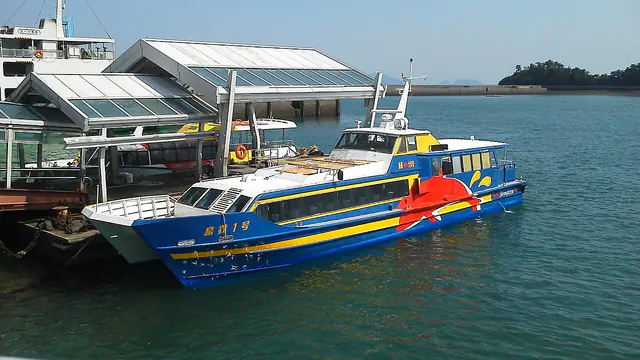
Catamarans are the dominant choice for modern fjord sightseeing. Their wide beam provides a stable platform that minimizes the “roll” felt by passengers, which is critical for comfort during meals or photography. Furthermore, their shallow draft allows them to navigate closer to rocky shorelines and into shallower inlets that would be inaccessible to monohulls.
Monohulls are still utilized for vessels operating in more exposed coastal waters where “pitching” (hobby-horsing) in following seas might be a concern, or where lower construction costs are a priority.
Hydrodynamic Considerations
Designing for fjords involves managing several hydrodynamic forces:
- Wave-Making Resistance: Because these vessels often operate in narrow channels, managing the wave pattern they create is vital to avoid erosion of the banks and to minimize energy loss. Large wave-making resistance can lead to significant efficiency drops and unwanted disturbances to the shoreline.
- Frictional Drag: Since sightseeing boats often operate at moderate speeds (12–20 knots), minimizing the wetted surface area through efficient hull shapes is key to extending battery range.
- Hull Speed: For displacement hulls, the speed is limited by the length of the waterline. Many modern sightseeing catamarans use semi-displacement hulls to push past these traditional limits while maintaining efficiency.
Dimensions and Capacity
- Length: Typically ranges from 30 to 50 meters for mid-sized excursion boats, though larger vessels can exceed 100 meters.
- Beam (Width): For catamarans, the beam is significantly wider relative to length to maximize stability and deck space.
- Capacity: Generally designed for 50 to 400 passengers, depending on the vessel’s size and the specific route’s demand.
Material Selection
Weight is a critical factor, especially for electric-powered vessels where every kilogram saved extends the battery range.
- Aluminum: The industry standard for many catamarans due to its strength-to-weight ratio and recyclability.
- Carbon Fiber/Composites: Emerging as a premium solution. The use of carbon fiber sandwich laminates (as seen in the Vision of the Fjords) can reduce structural weight by up to 50% compared to traditional materials, enabling the use of heavy battery banks without sacrificing payload.
4. Propulsion and Engines
Propulsion technology is currently undergoing a revolution in this sector, driven by the transition from fossil fuels to renewable energy.
Propulsion Modes
- Diesel-Electric: A diesel generator provides electricity to drive electric propulsion motors. This offers better fuel efficiency and smoother operation than direct mechanical drive.
- Hybrid Propulsion: Combines diesel generators with large battery banks. The vessel can operate in “pure electric mode” in sensitive areas (like harbor entrances or UNESCO sites) and switch to diesel assistance when higher speeds or longer ranges are required.
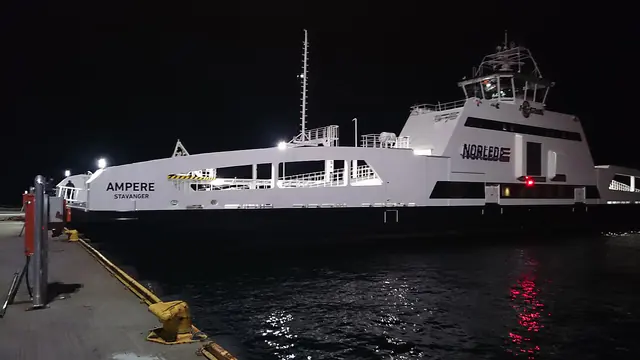
- All-Electric (Battery-Powered): The cutting edge of the industry. These vessels rely entirely on battery energy storage systems (ESS). They offer zero local emissions and extremely quiet operation, making them ideal for fjord environments.
The Physics of Electric Propulsion
The shift to electric motors offers significant advantages over internal combustion engines:
- Instant Torque: Electric motors provide maximum torque at zero RPM, which is ideal for precise maneuvering and rapid acceleration in tight spaces.
- Efficiency Curves: Unlike diesel engines, which have a narrow “sweet spot” for peak efficiency, electric motors maintain high efficiency across a much broader range of speeds and loads.
- Reduced Vibration: The lack of reciprocating mass in electric motors significantly reduces hull vibration, enhancing passenger comfort and reducing structural fatigue.
Maneuverability and Thrust
Navigating narrow fjords and tight docking maneuvers requires exceptional control.
- Azimuthing Thrusters (Podded Propulsion): These units can rotate 360 degrees, allowing the vessel to direct thrust in any direction. This eliminates the need for traditional rudders and provides unparalleled maneuverability.
- Bow Thrusters: Often used in conjunction with main propulsion to assist in lateral movement during docking.
- Veth Propulsion Systems: Advanced azimuth thrusters (such as those from Veth) are frequently specified for their efficiency and ability to provide high thrust in compact units.
Advanced Battery Chemistry and Lifecycle
The selection of battery chemistry is a critical decision in the design of sightseeing vessels. Lithium Iron Phosphate (LFP) is increasingly favored for many commercial applications due to its high thermal stability and long cycle life, which reduces the total cost of ownership over the vessel’s lifespan. While Nickel Manganese Cobalt (NMC) offers higher energy density, which is advantageous for maximizing range in larger vessels, the safety profile of LFP makes it particularly attractive for passenger-carrying operations.
Propulsion System Redundancy
For vessels operating in remote fjord regions, propulsion redundancy is a key safety requirement. Modern electric and hybrid systems are designed with multiple independent power paths. In the event of a failure in one battery module or one electric motor, the system can automatically reroute power to ensure the vessel maintains sufficient propulsion and steering to reach a safe location. This level of reliability is essential for maintaining passenger confidence and meeting strict maritime safety standards.
The Role of Digital Twins in Design and Maintenance
Many leading shipyards and operators are now employing “digital twins”—highly accurate virtual models of their vessels—to optimize design and maintenance. By simulating the vessel’s performance in various fjord conditions, designers can refine hull forms and propulsion configurations before a single piece of metal is cut. Once in service, sensors throughout the vessel feed real-time data back to the digital twin, allowing for predictive maintenance. This means components can be replaced before they fail, minimizing downtime and ensuring the vessel is always in peak operational condition.
5. Electrical System and Power
For the growing number of all-electric and hybrid sightseeing vessels, the electrical system is the “heart” of the ship.
Energy Storage Systems (ESS)
Modern vessels utilize massive banks of Lithium-ion batteries (often using LFP or NMC chemistries).
- Capacity: Typical capacities for medium-sized electric sightseeing boats range from 500 kWh to over 2 MWh.
- Battery Management System (BMS): A critical component that monitors the voltage, temperature, and state-of-charge (SoC) of every cell to ensure safety and longevity.
Thermal Management in Battery Systems
Managing the heat generated during high-power discharge (acceleration) and rapid charging is a major design challenge. Advanced liquid cooling systems are often integrated into the battery modules to prevent thermal runaway and to maintain optimal operating temperatures, which is crucial for both safety and extending battery cycle life. Without effective thermal management, battery degradation accelerates, and the risk of fire increases.
Power Distribution and Charging
- Shore Power: Vessels require high-capacity shore connection points at terminals. Rapid charging (DC charging) is increasingly common to allow for quick turnarounds between trips.
- Power Management System (PMS): This software intelligently manages the load between the batteries, diesel generators (in hybrids), and essential services (lighting, HVAC) to prevent blackouts and optimize energy consumption.
6. Equipment and How It Is Used
Beyond propulsion, the equipment on a sightseeing vessel is specialized to serve both operational and passenger needs.
| Equipment Category | Examples | Primary Function |
|---|---|---|
| Passenger Comfort | HVAC Systems, Stabilizers, Acoustic Insulation | Maintains climate control and minimizes motion/noise. |
| Observation | Panoramic Windows, Sun Decks, Binocular Stations | Maximizes the visual experience for passengers. |
| Operational | Windlasses, Mooring Winches, Bow Thrusters | Enables safe docking and anchoring. |
| Information | Audio-Visual Narration Systems, Digital Displays | Provides educational content about the landscape. |
Stabilizers: While catamarans are inherently stable, many vessels use active fin stabilizers or gyro-stabilizers to further reduce roll in choppy waters, enhancing the passenger experience.
7. Navigation, Communications, and Safety
Safety is paramount for passenger vessels, which are subject to stringent international and national standards.
Navigation and Communication
- Electronic Chart Display and Information System (ECDIS): The digital equivalent of paper charts, providing real-time positioning and route planning.
- Radar & AIS: Radar is used for obstacle detection (especially in fog), while the Automatic Identification System (AIS) allows the vessel to be tracked by other ships and shore authorities.
- GNSS (GPS/GLONASS): Provides precise location data.
- VHF/UHF Radio: The primary method for voice communication with other vessels and port authorities.
Safety Systems
- Life-Saving Appliances (LSA): Includes lifejackets for all passengers, inflatable life rafts, and lifebuoys.
- Fire Suppression: Automated systems (such as CO2 or FM200) are installed in engine rooms and electrical compartments.
- Emergency Signaling: Includes distress flares, EPIRBs (Emergency Position Indicating Radio Beacons), and SARTs (Search and Rescue Transponders).
8. Crew and Organization
Because these vessels are designed for efficiency and short trips, they typically operate with a lean, specialized crew.
- The Master (Captain): Responsible for the overall safety of the vessel, passengers, and crew, and for ensuring compliance with all regulations.
- Deckhands/Mates: Assist with navigation, docking, and passenger embarkation/disembarkation.
- Engineer: On hybrid or diesel-electric vessels, an engineer is required to maintain the engines, generators, and electrical systems. On many all-electric vessels, this role may be minimized or handled via remote monitoring.
- Hospitality/Service Staff: Responsible for passenger comfort, catering (if applicable), and providing information/narrations.
9. Certificates and Training Requirements
Crew members must hold specific certifications to operate passenger vessels:
- STCW Compliance: All professional crew must meet the International Convention on Standards of Training, Certification and Watchkeeping for Seafarers.
- Passenger Ship Safety Certificate: A vessel-specific certificate issued by national authorities (e.g., the Norwegian Maritime Authority) confirming the ship meets all safety standards for carrying passengers.
- Specialized Training: Includes fire fighting, crowd management, first aid, and survival craft handling.
10. Regulations, Class, and Inspections
The regulatory landscape for sightseeing vessels is dense, involving international, national, and class-specific rules.
- International Maritime Organization (IMO): Sets the global standards for safety (SOLAS), pollution prevention (MARPOL), and security (ISPS).
- National Authorities: In Norway, the Sjøfartsdirektoratet (Norwegian Maritime Authority) provides the specific regulatory framework for fjord operations.
- Classification Societies: Organizations like DNV, Lloyd’s Register (LR), and ABS establish technical standards for hull construction, machinery, and electrical systems. Vessels are often “classed” by these societies to prove their structural and mechanical integrity.
- Inspections: Vessels undergo regular surveys, including annual inspections and more intensive intermediate and special surveys, to ensure continued compliance.
11. Notable Shipyards, Operators, and Example Vessels
The industry is characterized by a cluster of specialized shipyards and operators, particularly in Northern Europe.
Notable Shipyards
- Brødrene Aa (Norway): A leader in lightweight aluminum and carbon fiber catamaran design.
- Oma Baatbyggeri (Norway): Specialized in aluminum passenger and ferry construction.
Notable Operators
- The Fjords (Norway): A pioneer in zero-emission fjord tourism.
- Rødne (Norway): A major operator of excursion and transport vessels in Norway.
Example Vessels
| Vessel Name | Type | Propulsion | Key Feature |
|---|---|---|---|
| Vision of the Fjords | Catamaran | Hybrid | First carbon-fiber sightseeing ship. |
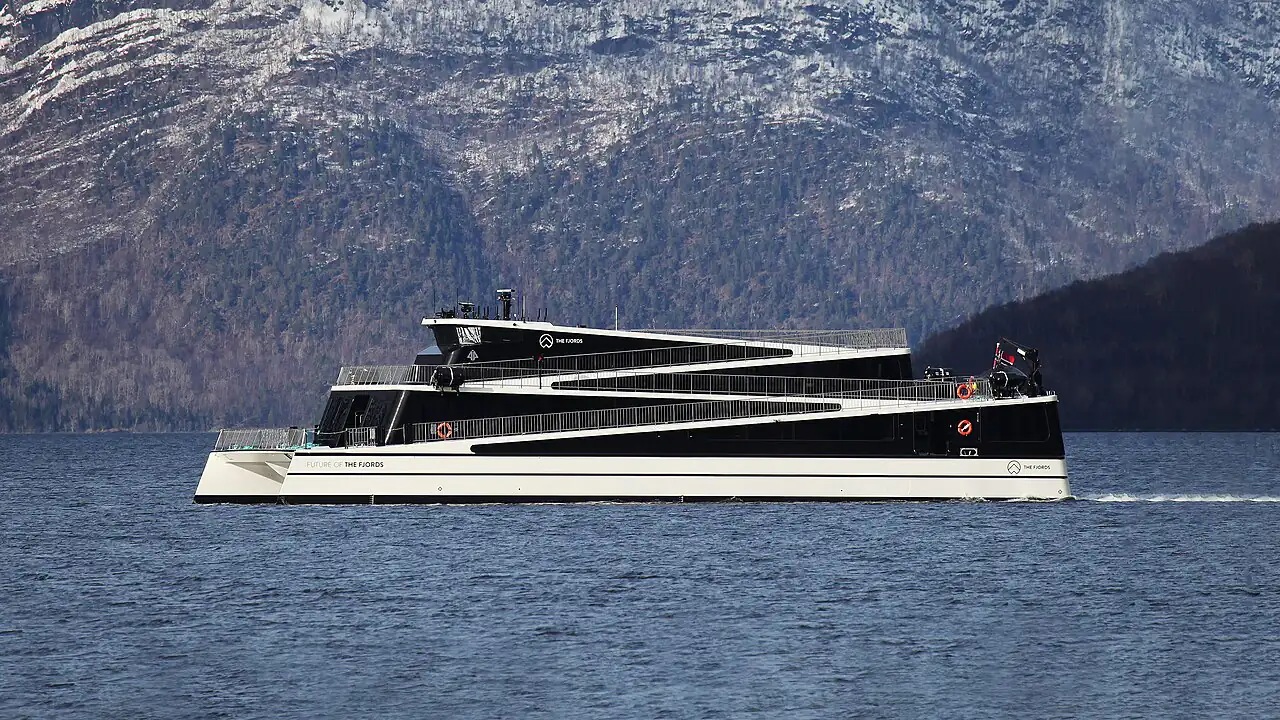
| Future of the Fjords | Catamaran | All-Electric | Zero-emission passenger cruise. |
| Legacy of The Fjords | Catamaran | All-Electric | Sister ship to Future of the Fjords. |
| Spring of The Fjords | Catamaran | All-Electric | Uses the lightweight ‘Aero’ design. |
| Rygerstraum | Catamaran | Hybrid | Planned for 2027; high battery capacity. |
12. Environment and Future Outlook
The future of fjord and sightseeing vessels is inextricably linked to the global maritime transition toward decarbonization.
Environmental Challenges
- Emissions: Traditional diesel engines contribute CO2, NOx, and particulate matter, which are particularly problematic in enclosed fjord ecosystems.
- Noise and Bio-acoustics: Underwater noise from traditional propulsion can disrupt marine life, such as whales and dolphins. Reducing acoustic signatures is a major area of current research to prevent “acoustic masking,” where animals cannot hear each other’s communication.
Trends and Future Technologies
- Zero-Emission Mandates: Many sensitive areas, including parts of the Norwegian fjords, are implementing or planning mandates that will require all vessels to be zero-emission by 2026 or beyond.
- Next-Generation Propulsion: While batteries are leading, research into hydrogen fuel cells and ammonia-based fuels is underway for larger or longer-range sightseeing vessels.
- Acoustic Ecology: Future designs will focus even more heavily on “silent” propulsion to minimize the impact of underwater noise on marine mammals.
- Automation and Digitalization: Increased use of autonomous docking and remote monitoring will improve efficiency and reduce crew workload.
The Impact of Underwater Noise (Acoustic Ecology)
The transition to electric propulsion is not just about reducing CO2; it is also a major step forward for acoustic ecology. Traditional diesel engines generate significant low-frequency noise that travels great distances underwater. This noise can interfere with the echolocation and communication of marine mammals, such as porpoises and whales, which are common in many fjord ecosystems. Electric motors, by contrast, produce much less acoustic energy, creating a “quieter” environment that allows marine life to thrive and provides a more serene, natural experience for the passengers on board.
Hydrogen and Beyond: The Long-Term Horizon
While battery-electric propulsion is the current leader for short-range sightseeing, the long-term future of maritime transport may lie in hydrogen. Hydrogen fuel cells offer the potential for much higher energy densities than current battery technology, which could enable larger vessels to conduct longer, more ambitious cruises without the weight penalty of massive battery banks. Furthermore, hydrogen can be produced using renewable energy (green hydrogen), making it a truly zero-emission fuel source. As the infrastructure for hydrogen bunkering develops, we may see a new generation of sightseeing vessels powered by the most advanced fuel technologies available.
13. Facts, Records, and Common Misconceptions
- Fact: The use of carbon fiber is not just for luxury; it is a technical necessity for making all-electric passenger ships viable by offsetting the massive weight of battery banks.
- Fact: “Hybrid” does not just mean “diesel + electric”; it refers to a sophisticated integration where the electrical system can be the primary driver, with diesel acting as a range extender.
- Misconception: Many believe electric boats are less seaworthy in bad weather. However, modern battery-electric catamarans are built to the same (or higher) stability and structural standards as their diesel counterparts.
14. Glossary
- Azimuth Thruster: A propulsion unit that can rotate 360 degrees to provide thrust in any direction.
- Catamaran: A vessel consisting of two parallel hulls.
- IMO (International Maritime Organization): The UN agency responsible for the safety and security of shipping and the prevention of marine pollution.
- Hybrid Propulsion: A system that uses two or more types of power (e.g., diesel and battery) to propel a vessel.
- Metacentric Height (GM): A measurement of the initial static stability of a floating body.
- SOLAS (Safety of Life at Sea): The most important international maritime treaty concerning the safety of merchant ships.
- UNESCO: The United Nations Educational, Scientific and Cultural Organization, which designates World Heritage Sites often protected by strict maritime rules.