1. What Is This Ship?
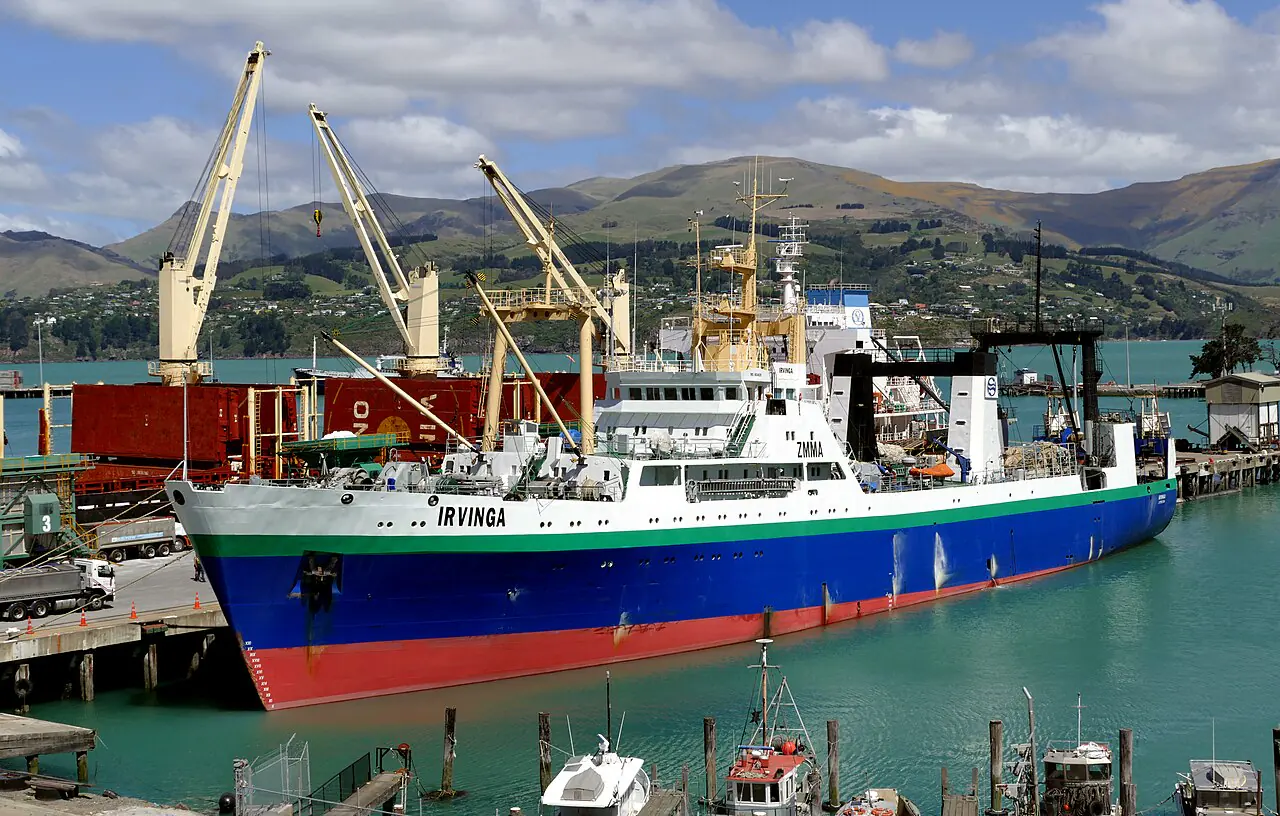
A factory trawler (often abbreviated as FT or F/V, standing for Factory Vessel) represents the pinnacle of industrial fishing technology. Unlike standard fishing vessels that primarily focus on the harvest and immediate storage of catch, a factory trawler is a self-contained, mobile marine processing plant. Its defining characteristic is the integration of extensive onboard facilities capable of transforming raw catch—such as fish, shrimp, or squid—into high-value, processed, and frozen products while still at sea.
The evolution of the factory trawler has been driven by the need for greater efficiency and the ability to exploit distant-water fishing grounds. Historically, fishing vessels were limited by the shelf life of their catch; once the hold was full or the fish began to spoil, the vessel had to return to port. The introduction of onboard refrigeration and, subsequently, full-scale processing lines, revolutionized this paradigm. By processing the catch immediately after it is brought on board, the quality is preserved at its peak, and the vessel can remain at sea for weeks or even months at a time, significantly increasing its operational range and economic output.
Factory trawlers can be categorized by their primary fishing method and processing capabilities. While “trawler” implies the use of trawl nets, the term “factory ship” is a broader category that includes longliners, purse seiners, and squid jiggers that also feature large-scale processing plants. However, in common maritime parlance, the “factory trawler” specifically refers to those using bottom or mid-water trawling gear.
2. Mission and Operations
The mission of a factory trawler is to maximize the value extracted from a single fishing voyage through a continuous, integrated cycle of harvesting, processing, and storage. This mission is executed through several distinct operational phases:
Harvesting and Catching
The operation begins with the deployment of fishing gear. For a factory trawler, this typically involves heavy-duty trawl nets. In bottom trawling, the nets are weighted to skim the seabed, targeting species like cod, haddock, or shrimp. In pelagic (mid-water) trawling, the nets are suspended in the water column to catch schooling fish like mackerel or herring. The vessel uses powerful winches to manage the massive tension on the cables and maintains a steady course and speed to ensure the net remains open and effective.
Onboard Processing
Once the catch is hauled up the stern ramp or side of the vessel, it enters the factory deck—the heart of the ship. Here, a highly automated sequence of events occurs:
- Sorting and Cleaning: The raw catch is first sorted by species and size. High-pressure water jets are used to wash away debris and sand.
- Gutting and Filleting: Depending on the target species, the fish may be passed through mechanical gutting machines, followed by filleting machines that precisely remove the meat from the bone.
- Skinning and Trimming: Advanced machinery can remove the skin and trim excess fat or bloodline, ensuring a premium product.
- Grading: The processed fillets or whole fish are graded based on weight, color, and quality.
Freezing and Preservation
To prevent spoilage, the processed products must be frozen rapidly. Factory trawlers utilize two primary methods:
- Plate Freezers: The product is placed between metal plates through which a refrigerant circulates, freezing it quickly in blocks.
- Blast Freezers: High-velocity cold air is blown over the product to achieve rapid individual quick freezing (IQF). This “frozen-at-sea” capability is what allows the vessel to maintain product quality that meets or exceeds land-based processing standards.
Storage and Distribution
The frozen products are then moved into large, temperature-controlled freezer holds. These holds are organized by species and grade, allowing for efficient inventory management. Once the holds reach capacity, the vessel returns to a designated port for offloading. Because the product is already processed and frozen, it can be transitioned directly into the global cold chain, ready for supermarket shelves.
3. Hull, Size, and Design
The design of a factory trawler must balance several conflicting requirements: the need for a stable platform for heavy trawling gear, a massive internal volume for processing and storage, and the hydrodynamic efficiency required for long-distance transit.
Hull Form and Construction
Most modern factory trawlers feature a steel hull designed for durability and stability in rough, open-ocean conditions. A common design feature is the bulbous bow, which reduces wave-making resistance and improves fuel efficiency during long transits. The hull is typically deep to provide the necessary buoyancy and stability for the heavy weight of the catch and the processing machinery located above.
The hull is divided into several critical zones:
- The Bow Section: Houses navigation equipment, crew accommodation (often located forward to separate living areas from the noisy factory), and sometimes additional storage.
- The Midship Section: Typically contains the engine room, auxiliary machinery, and fuel tanks.
- The Aft Section: This is the most specialized area. It contains the factory deck, the freezer holds, and the stern ramp for hauling in nets.
Typical Dimensions and Capacities
Factory trawlers vary significantly in scale:
- Small-scale/Coastal Factory Trawlers: Often 40–60 meters in length, used for specific regional species.
- Large-scale/Oceanic Factory Trawlers: Frequently exceed 80–100 meters in length.
| Specification | Small Factory Trawler | Large Factory Trawler |
|---|---|---|
| Length (LOA) | 40 – 60 m | 80 – 120+ m |
| Breadth (Beam) | 10 – 15 m | 18 – 25 m |
| Displacement | 500 – 2,000 tonnes | 5,000 – 15,000+ tonnes |
| Freezer Hold Capacity | 200 – 1,000 m³ | 2,000 – 10,000+ m³ |
| Crew Size | 20 – 40 | 80 – 150+ |
The Stern Ramp and Trawl Deck
The stern ramp is a critical design element for factory trawlers. It allows the net to be hauled up the back of the ship in a controlled manner, minimizing damage to the catch. The area around the ramp is often referred to as the trawl deck, where winches, net reels, and heavy-duty hydraulic equipment are stationed to manage the immense stresses of trawling.
4. Propulsion and Engines
Propulsion in a factory trawler must provide two distinct capabilities: high-speed transit between fishing grounds and high “bollard pull” (towing power) for efficient trawling.
Main Engines
The primary power source is typically one or more large, heavy-duty marine diesel engines. These engines are designed for continuous, long-duration operation.
- Diesel Engines: The most common choice. They are reliable and can be configured to run on various fuel types, including Heavy Fuel Oil (HFO) or Marine Gas Oil (MGO).
- Diesel-Electric Systems: Increasingly popular in larger vessels. Here, diesel engines drive generators, which in turn power electric motors. This provides much greater flexibility in power distribution, which is vital when the vessel must switch from propulsion-heavy trawling to processing-heavy factory operations.
Propulsion Mechanisms
- Controllable Pitch Propeller (CPP): This is the industry standard for trawlers. By adjusting the angle of the propeller blades, the vessel can change speed and direction (including reversing) without changing the engine RPM. This is essential for maintaining precise speeds while towing nets.
- Azimuth Thrusters: Some advanced factory trawlers use azimuth thrusters, which can rotate 360 degrees. This provides exceptional maneuverability, allowing the ship to hold position or turn tightly in heavy seas.
Towing Power (Bollard Pull)
A key metric for any trawler is its bollard pull—the amount of static pulling force the vessel can exert. A factory trawler must be able to pull massive, heavily loaded nets through the water, which requires significant engine power and a highly efficient propeller/gearbox setup.
5. Electrical System and Power
The electrical system of a factory trawler is as critical to its operation as the main engine. Unlike a standard cargo ship, which uses electricity primarily for lighting, navigation, and basic hotel loads, a factory trawler is a high-demand industrial environment.
Power Demands
The electrical load on a factory trawler is massive and fluctuates wildly depending on the operational phase:
- Trawling Phase: High demand for hydraulic pumps, winches, and propulsion.
- Processing Phase: Massive demand for the factory deck. This includes conveyor belts, automated filleting/gutting machines, sorting systems, and, most importantly, the refrigeration plant.
- Hotel/Service Phase: Demand for crew accommodation, watermakers, and lighting.
Power Generation and Distribution
To manage these loads, factory trawlers employ redundant and scalable power systems:
- Main Generators: Driven by the primary diesel engines.
- Auxiliary Generators: Smaller diesel units that provide power when the main engines are not at full load or during maneuvering.
- Shaft Alternators: These extract electrical power directly from the main propulsion shaft, providing a highly efficient way to generate electricity while the engines are running.
- Power Management Systems (PMS): Sophisticated computerized systems that automatically balance loads, start/stop generators, and prevent blackouts during sudden spikes in demand (e.g., when a large processing machine starts).
Hybrid and Electric Trends
To improve fuel efficiency and reduce emissions, many newer vessels are incorporating Hybrid Propulsion. This often involves integrating large battery banks or using a Diesel-Electric setup with a Power Take-Off (PTO) or Power Take-In (PTI) system. This allows the vessel to use electric power for low-demand tasks or to augment engine power during heavy trawling.
6. Equipment and How It Is Used
The equipment on a factory trawler can be divided into three main categories: fishing gear, processing equipment, and ancillary industrial machinery.
Fishing and Trawling Gear
The goal of this equipment is to capture and retrieve the catch safely and efficiently.
- Trawl Nets: Large, cone-shaped nets made of high-strength synthetic fibers.
- Otter Boards (Trawl Doors): Heavy plates attached to the sides of the net that use hydrodynamic pressure to keep the mouth of the net open.
- Trawl Winches: Massive hydraulic or electric drums used to deploy and haul in the heavy trawl cables (warps).
- Net Reels: Used for stowing and deploying nets when not in use.
- Gallows: Heavy steel structures at the stern used to support the trawl wires.
The Processing Plant
The processing plant is a highly specialized, hygienic environment designed for high-speed, automated food production.
- Receiving Bins: Large bins where the initial catch is dumped and washed.
- Automated Processing Lines: A series of machines including:
- Gutting/Cleaning Machines: Remove internal organs.
- Filleting Machines: Cut precise fillets from the fish body.
- Skinning Machines: Remove the skin from the fillets.
- Grading/Sorting Belts: Use sensors (optical or weight-based) to sort the product.
- Refrigeration Systems:
- Plate Freezers: Used for freezing fish into uniform blocks.
- Blast Freezers: Used for rapid individual quick freezing (IQF).
Ancillary Equipment
- Cranes: Deck cranes (e.g., Seaonics) are used to move heavy gear, nets, and supplies.
- Fishmeal Plants: To ensure zero waste, many vessels include a plant that processes fish offal and waste into fishmeal and fish oil.
- Hydraulic Power Units (HPUs): Provide the high-pressure fluid needed to drive winches, cranes, and other deck machinery.
- Watermakers: Reverse osmosis (RO) systems are essential for providing the vast amounts of fresh water needed for both crew consumption and fish processing.
7. Navigation, Communications, and Safety
Operating far from land in potentially treacherous waters requires advanced navigation and communication suites.
Navigation and Fishing Technology
- Radar (X-band and S-band): Essential for collision avoidance and detecting large objects or landmasses.
- ECDIS (Electronic Chart Display and Information System): The digital standard for navigation, replacing paper charts.
- Sonar and Fish Finders: High-frequency sonar systems are used to detect fish schools, underwater topography, and potential obstacles.
- GPS/GNSS: Provides precise positioning.
- AIS (Automatic Identification System): Allows the vessel to broadcast its position and identity to other ships and coastal authorities.
Communications
- Satellite Communications (VSAT/Inmarsat): Provides the vessel with internet, weather updates, and long-range voice/data connectivity.
- VHF/HF Radio: The standard for short and medium-range maritime communication.
Safety and Life-Saving Appliances (LSA)
The safety of the crew is paramount, especially given the industrial nature of the work.
- Lifeboats: Often enclosed or “free-fall” types designed to launch quickly in heavy seas.
- Life Rafts: Inflatable rafts stored in canisters.
- EPIRB (Emergency Position Indicating Radio Beacon): Automatically transmits the vessel’s location in an emergency.
- SART (Search and Rescue Transponder): Assists rescue vessels in locating lifeboats/rafts.
- GMDSS (Global Maritime Distress and Safety System): An integrated suite of communication tools designed to ensure a distress signal can be sent and received anywhere in the world.
8. Crew and Organization
The management of a factory trawler is uniquely complex because it requires the seamless integration of two very different professional cultures: the maritime/fishing crew and the industrial/food-processing crew.
Command and Deck/Engineering Crew
The vessel is under the command of the Master (Captain), who is responsible for the overall safety of the ship, navigation, and compliance with fishing regulations. The deck and engineering staff typically include:
- Chief Mate: Responsible for deck operations and navigation watches.
- Deckhands: Skilled crew members responsible for handling fishing gear, maintaining the hull, and assisting with catch retrieval.
- Chief Engineer: Oversees the maintenance and operation of the main engines, generators, and auxiliary machinery.
- Engineers/Oilers: Responsible for the day-to-day running of the engine room.
Factory Crew
The factory department operates as a production line and is often led by a Factory Manager. This crew is focused on throughput, hygiene, and product quality.
- Factory Supervisors: Oversee the different stages of the processing line.
- Processing Operators: Skilled workers who manage the automated machinery (gutting, filleting, etc.).
- Graders and Packers: Responsible for the final quality check and packaging of the product for freezer storage.
Service and Support Crew
Given the long durations spent at sea, a robust support crew is necessary to maintain morale and health.
- Cooks and Stewards: Responsible for preparing meals and maintaining the cleanliness of the living quarters.
9. Certificates and Training Requirements
Working on a factory trawler requires a combination of maritime, technical, and food-safety certifications.
Maritime and Safety Certifications
Most crew members must comply with the STCW (Standards of Training, Certification, and Watchkeeping for Seafarers) convention. This includes:
- Basic Safety Training (BST): Covering firefighting, personal survival techniques, and first aid.
- Advanced Safety Training: Required for officers and specialized crew (e.g., Advanced Firefighting).
- GMDSS Certification: Required for those handling radio communications.
Fishing and Technical Certifications
- Fishing Vessel Certificates: Issued by national maritime authorities to certify the vessel and its crew for commercial fishing.
- Technical Certifications: Engineers must hold appropriate licenses for the specific types of engines and electrical systems on board.
Food Safety and Hygiene
Because the vessel is essentially a mobile food factory, compliance with food safety standards is mandatory.
- HACCP (Hazard Analysis and Critical Control Points): A systematic preventive approach to food safety from biological, chemical, and physical hazards in production processes.
- ISO 22000: An international standard that specifies the requirements for a food safety management system.
10. Regulations, Class, and Inspections
Factory trawlers operate under a heavy layer of international and national regulation to ensure safety, environmental protection, and sustainable fishing practices.
International Maritime Organization (IMO) Regulations
- SOLAS (Safety of Life at Sea): Sets minimum standards for the construction, equipment, and operation of ships to ensure maritime safety.
- MARPOL (Prevention of Pollution from Ships): Regulates the discharge of oil, sewage, garbage, and air emissions.
International Labour Organization (ILO) Regulations
- Work in Fishing Convention (C188): Sets standards for working and living conditions for fishers, focusing on safety, health, and social security.
Classification Societies
To ensure structural integrity and mechanical reliability, factory trawlers must be “classed” by organizations such as DNV (Det Norske Veritas), ABS (American Bureau of Shipping), Lloyd’s Register (LR), or the Russian Maritime Register of Shipping (RMRS). These societies conduct regular inspections of the hull, machinery, and electrical systems.
Fisheries Management and IUU
To prevent IUU (Illegal, Unreported, and Unregulated) fishing, vessels are subject to strict monitoring, including:
- Catch Quotas: Limits on the amount of specific species that can be harvested.
- Vessel Monitoring Systems (VMS): Satellite-based tracking of vessel positions.
- Onboard Observers: Independent observers may be placed on vessels to verify catch data and compliance with regulations.
11. Notable Shipyards, Operators, and Example Vessels
The industry is dominated by highly specialized shipyards and large-scale commercial fishing companies.
Notable Shipyards
- Tersan Shipyard (Turkey): A major builder of modern, high-tech fishing vessels.
- VARD (Norway): A global leader in specialized vessel design and construction.
- Spanish Shipyards: Various yards in Spain specialize in high-efficiency trawler designs.
Major Operators
- Parlevliet & van der Plas (Netherlands): One of the world’s largest fishing companies.
- Russian Fishery Company (Russia): Operates a significant fleet of large-scale factory trawlers.
Example Vessels
| Vessel Name | Length | Type | Key Feature |
|---|---|---|---|
| Vladimir Limanov | 108.2 m | Factory Trawler | Massive 15,000-tonne capacity; Skipsteknisk design. |
| Granit | 81.2 m | Factory Trawler | Norway’s largest white fish factory trawler. |
| Akraberg | 84.0 m | Stern Trawler | State-of-the-art VARD design with high fuel economy. |
| Crowley FTF-11522M | 114.6 m | Factory Trawler | Large-scale oceanic vessel with 4,000 m³ freezer hold. |
12. Environment and Future Outlook
The fishing industry is under increasing pressure to operate sustainably and reduce its environmental footprint.
Environmental Impact
- Fuel Consumption: The massive power requirements for both propulsion and processing result in high CO2 emissions.
- Bycatch: The unintended capture of non-target species remains a major concern.
- Habitat Disruption: Bottom trawling, in particular, can impact seafloor ecosystems.
The Future of Factory Trawling
- Decarbonization: The industry is exploring alternative fuels (LNG, Ammonia, Hydrogen) and hybrid/electric propulsion to reduce its carbon footprint.
- Increased Automation: AI and advanced sensor technology are being used to improve fish sorting, reduce bycatch, and automate more of the processing line.
- Selective Gear Technology: Developing nets and equipment that are more selective, reducing the impact on non-target species and the seabed.
13. Facts, Records, and Common Misconceptions
- Misconception: “Factory ships are primarily for whaling.” While historical factory ships were used for whaling, modern factory trawlers are almost exclusively focused on commercial fish and seafood species.
- Fact: High Energy, High Value. The extreme energy consumption of these vessels is balanced by the ability to produce high-quality, shelf-stable products with minimal waste, maximizing the economic return per voyage.
- Fact: Zero-Waste Goals. Modern plants are increasingly designed for “zero-waste,” utilizing fishmeal and oil plants to turn every part of the catch into a marketable product.
14. Glossary
- Bollard Pull: The static pulling force a vessel can exert.
- Blast Freezer: A freezer that uses high-velocity air for rapid freezing.
- Controllable Pitch Propeller (CPP): A propeller where blade angle can be adjusted.
- ECDIS: Electronic Chart Display and Information System.
- HACCP: Hazard Analysis and Critical Control Points (food safety system).
- IUU Fishing: Illegal, Unreported, and Unregulated fishing.
- Otter Board: A plate used to keep trawl nets open.
- Plate Freezer: A freezer that uses metal plates for rapid freezing.
- Stern Ramp: A ramp at the rear of the ship used to haul in nets.
- Trawl Net: A large, cone-shaped net used for catching fish.