1. What Is This Ship?
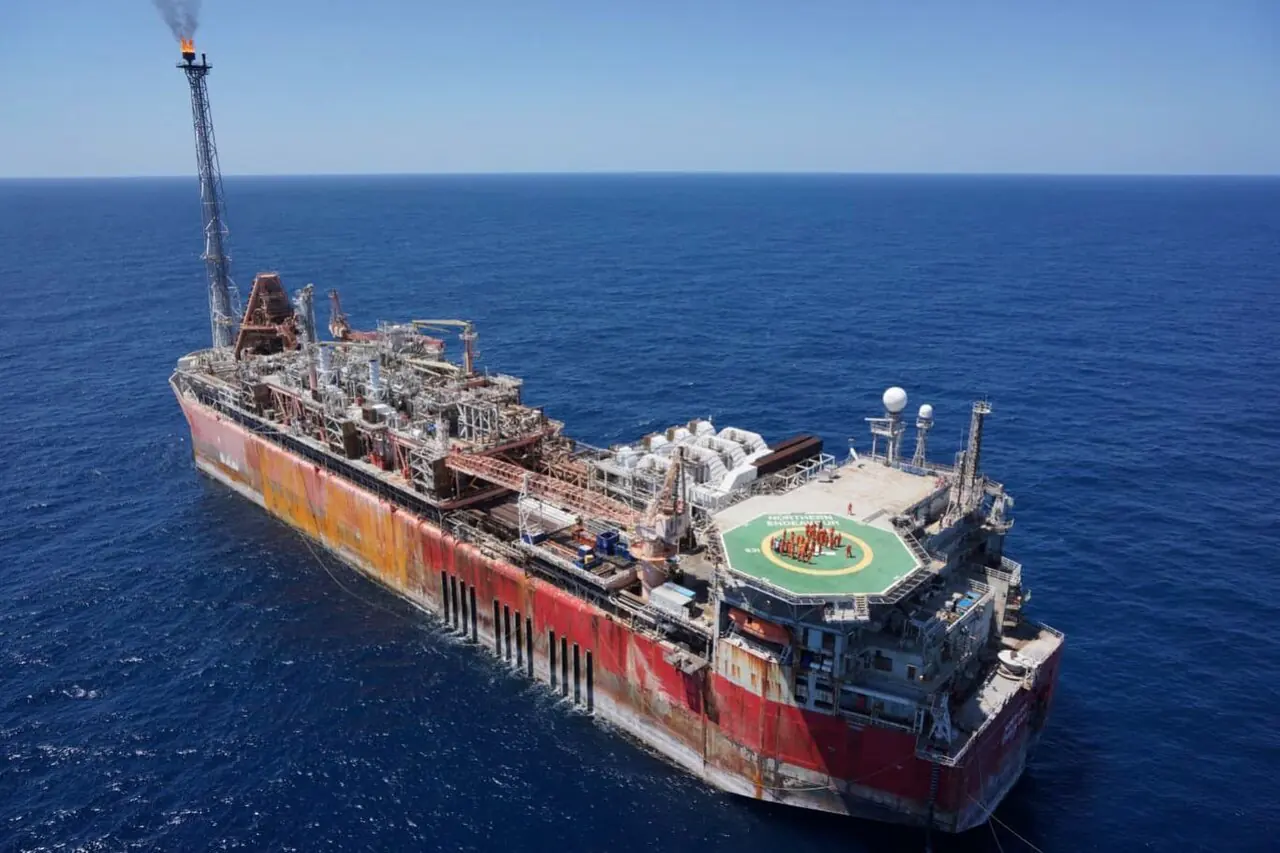
In the high-stakes domain of offshore energy extraction, the ability to access remote and deepwater hydrocarbon reservoirs is fundamentally limited by the infrastructure available to transport and process the resources. Historically, this was achieved through fixed platforms—massive steel or concrete structures anchored directly to the seabed. However, as exploration has moved into increasingly hostile and deeper maritime environments, the industry has pivoted toward flexible, mobile, and highly sophisticated solutions: the Floating Production, Storage, and Offloading (FPSO) unit and the Floating Storage and Offloading (FSO) vessel.
Defining the FPSO and FSO
While the terms are frequently conflated in general media, they represent two distinct technical roles within the offshore production architecture.
- FPSO (Floating Production, Storage, and Offloading): An FPSO is a multi-functional, integrated offshore industrial facility. It acts as a mobile “factory” on the sea. Its mission is to receive multiphase fluids (a mixture of crude oil, natural gas, produced water, and sand) from subsea wells via a riser system, perform complex separation and treatment on its integrated “topside” modules, store the stabilized oil in its large internal hull tanks, and finally offload it to shuttle tankers. The FPSO is the cornerstone of “decoupled” production, where the production facility is independent of the export pipeline.
- FSO (Floating Storage and Offloading): An FSO is a specialized vessel focused primarily on the storage and offloading aspects of the hydrocarbon lifecycle. Unlike an FPSO, an FSO lacks the integrated topside processing plant. It is typically deployed in fields where a separate, often stationary, production facility (such as a fixed platform or a dedicated subsea processing unit) handles the initial separation, stabilization, and treatment of the hydrocarbons. The FSO serves as a massive floating buffer, providing storage volume necessary to manage production rates until a tanker can arrive for offloading.
The Strategic Evolution of Offshore Production
The rise of the FPSO marks a paradigm shift from “fixed” to “flexible” infrastructure. Fixed platforms require massive capital expenditure (CAPEX) for construction and installation, and they are geographically constrained by seabed depth and slope. In contrast, an FPSO offers:
- Deepwater Viability: Capable of operating in water depths exceeding 3,000 meters, where fixed platforms are physically and economically unfeasible.
- Frontier Access: Enabling production in remote regions far from existing pipeline networks.
- Marginal Field Economics: Providing a way to exploit smaller oil fields that cannot justify the multi-billion dollar cost of a permanent fixed platform but are highly profitable when serviced by a flexible FPSO.
2. Mission and Operations
The operational mission of an FPSO is to maintain a continuous, high-uptime production stream in some of the most challenging environments on Earth—from the extreme cold and ice of the Arctic to the massive wave heights of the North Sea.
The Lifecycle of an FPSO Project
An FPSO’s presence in a field is not permanent; it is a calculated, multi-decade deployment.
- Phase I: Deployment and Commissioning: The process begins with either the construction of a newbuild or the conversion of an existing Very Large Crude Carrier (VLCC). Once the topside modules are integrated, the vessel is towed to the field. The most critical engineering feat in this phase is the installation of the mooring system and the connection of the risers, which establishes the physical and fluidic link between the ship and the seafloor.
- Phase II: Steady-State Production: This is the primary operational phase, typically lasting 15 to 25 years. During this period, the FPSO must manage constant, high-pressure flows of hydrocarbons. The vessel’s “brain”—the control system—must balance the inflow from subsea wells with the processing capacity of the topside, the storage capacity of the hull, and the offloading schedule of the shuttle tankers.
- Phase III: Decommissioning and Redeployment: Once the reservoir reaches its economic limit, the FPSO is decommissioned. This involves the safe flushing of all lines, the disconnection of risers, and the unmooring of the vessel. Due to their modularity, many FPSOs are then refurbished and redeployed to new fields, significantly enhancing their lifecycle value.
The Operational Workflow: From Seabed to Tanker
The technical workflow within an FPSO follows a rigorous sequence of physical and chemical transformations:
- Subsea Extraction: High-pressure pumps at the seabed (subsea trees) drive the multiphase fluid up through the riser system.
- The Separation Train: The raw fluid enters the topside modules. Using gravity-based separation (and often chemical assistance), the stream is split into three primary phases: oil, gas, and water.
- Processing and Stabilization: The oil must be “stabilized”—a process of removing light-end hydrocarbons to ensure the oil doesn’t boil or create excessive pressure in the storage tanks. The gas is compressed for export or reinjection.
- Water Management: Produced water, which often contains dissolved salts and residual oil, is treated through filtration and hydrocyclones to meet strict environmental discharge standards.
- Storage and Offloading: The stabilized oil is pumped into the hull tanks. When the tanks reach a certain level, a shuttle tanker arrives, and the oil is transferred via a flexible offloading hose system.
3. Hull, Size, and Design
The hull of an FPSO is the foundation upon which the entire industrial operation rests. It must provide massive buoyancy and storage capacity while maintaining extreme structural integrity against the combined loads of ocean weather and the vibrating, heavy topside modules.
Conversion vs. Newbuild: An Engineering Trade-off
The decision to use a converted tanker or a purpose-built newbuild is one of the most significant strategic choices in an FPSO project.
| Consideration | Conversion (Existing Tanker) | Newbuild (Purpose-Built) |
|---|---|---|
| Initial CAPEX | Generally lower; leverages existing hulls. | Significantly higher initial investment. |
| Lead Time | Faster; utilizes existing vessels. | Longer; requires full construction cycle. |
| Design Optimization | Limited; must adapt to tanker architecture. | Highly optimized for weight and stability. |
| Service Life | May face existing fatigue/corrosion issues. | Designed for specific field life. |
| Complexity | Requires intensive structural reinforcement. | Integrated design from the keel up. |
Primary Design Archetypes
- Ship-Shaped Hulls: The most common design, typically derived from Very Large Crude Carriers (VLCCs). They offer high storage efficiency and are highly effective for transit. However, they are inherently sensitive to the direction of wind and waves, necessitating advanced mooring systems.
- Circular/Geoshape Hulls: A specialized, highly stable design (notably the Sevan Marine design). Because they are nearly omnidirectional, they do not need to “weathervane” (rotate) to minimize environmental loads. This makes them exceptionally robust in harsh, multi-directional sea states, though they are less efficient for long-distance transit.
Typical Technical Specifications
While every field is unique, a typical large-scale FPSO operates within these ranges:
- Length Overall (LOA): 250 – 350+ meters.
- Beam (Width): 45 – 65 meters.
- Draft: 15 – 25 meters (when fully loaded).
- Storage Capacity: 500,000 to over 2,000,000 barrels of crude oil.
- Deadweight Tonnage (DWT): Often exceeding 300,000 metric tons.
4. Propulsion and Engines
In the context of an FPSO, “propulsion” is often a secondary system. While a standard tanker uses its engines for constant movement, an FPSO’s primary “movement” is its ability to respond to the environment via its station-keeping system.
Station-Keeping: The Mooring Challenge
An FPSO must remain precisely positioned over its subsea assets. Failure to do so could result in the catastrophic rupture of the riser connections.
- Spread Mooring: The vessel is held in a fixed position by multiple mooring lines (comprised of chain, wire, or synthetic rope) anchored to the seabed in a fixed, symmetrical pattern. This is used in calmer waters where the vessel does not need to rotate.
- Turret Mooring: The gold standard for harsh environments. The vessel is connected to the mooring lines via a central, rotating turret. This allows the vessel to weathervane—to rotate 360 degrees around the turret to face the prevailing wind, waves, and currents. This significantly reduces the hydrodynamic and aerodynamic drag on the hull and the fatigue on the risers.
- Internal Turrets: Located inside the hull, offering superior protection for the riser connections and a more compact footprint, but requiring complex internal structural design. External Turrets: Mounted on the deck, they are easier to access for maintenance and inspection but are more exposed to environmental loads.
Transit and Dynamic Positioning (DP)
For the journey to and from the production field, FPSOs utilize conventional marine propulsion (diesel or dual-fuel engines). Furthermore, many modern FPSOs incorporate Dynamic Positioning (DP) systems (typically DP-2 or DP-3 class). Using azimuth thrusters—propellers that can rotate 360 degrees—the DP system uses computer-controlled logic and real-time sensor data (GPS, acoustic, and motion sensors) to maintain position without mooring, or to assist the mooring system during extreme weather events.
5. Electrical System and Power
An FPSO is an energy-intensive industrial site. Its electrical system must manage a massive, fluctuating load that supports both the delicate maritime operations and the heavy-duty industrial processing.
Primary Power Generation
The immense electrical demand is typically met by:
- Gas Turbines: These are the primary workhorses. They are highly efficient and can be fueled by “associated gas” produced from the field itself, effectively turning a byproduct of production into a power source.
- Diesel Generators: Used as secondary, standby, or emergency backup power.
Electrical Load Categorization
The electrical distribution is split into three critical domains:
- Topside Process Load: The largest consumer of electricity. This powers the centrifugal compressors, high-pressure injection pumps, seawater desalination units, and the myriad of control systems required for the “factory” to function.
- Marine and Utility Load: Powers the bridge, navigation, communication, lighting, and the “hotel” (crew accommodation and life support).
- Emergency and Critical Load: A dedicated, redundant system (using batteries and emergency generators) that ensures life-saving equipment (fire pumps, emergency lighting, and communications) remains functional even during a total power failure.
6. Equipment and How It Is Used
The “topside” of an FPSO is a dense, highly engineered array of modular components. These modules are designed to handle extreme pressures and temperatures while ensuring safe, continuous separation and treatment.
The Riser System: The Subsea Interface
The risers are the critical conduits that connect the subsea wells to the FPSO. They must withstand immense hydrostatic pressure, internal fluid pressure, and the mechanical fatigue caused by the vessel’s motion.
- Flexible Risers: Constructed of multiple layers (a steel carcass, polymer layers, and steel wire armor), they can bend significantly, making them ideal for absorbing the motion of the vessel.
- Steel Catenary Risers (SCR): These are rigid, continuous steel pipes that hang from the vessel in a natural “catenary” curve to the seabed. They are extremely robust and cost-effective for deep-water applications but require careful engineering to manage fatigue at the “touchdown point” on the seabed.
- Lazy-S and Lazy-Wave Risers: These configurations use buoyancy modules attached to the riser to create an “S” or “wave” shape. This extra “slack” allows the riser to absorb much of the vessel’s heave and pitch, reducing fatigue on the subsea connection.
Core Topside Modules
| Module Type | Primary Function and Technical Detail |
|---|---|
| Separation Unit | Uses gravity, pressure differentials, and internal baffles to split the raw stream into oil, gas, and water. |
| Gas Compression | Compresses produced gas to high pressures for export via pipeline or for reinjection into the reservoir. |
| Water Treatment | Uses filtration and hydrocyclones to clean produced water, ensuring it meets environmental standards for discharge or reinjection. |
| Oil Treatment | Removes residual water and salts from the oil to meet the “clean” specifications required for storage and transport. |
| Chemical Injection | Precisely doses chemicals (corrosion inhibitors, scale inhibitors, hydrate suppressants) into the stream to protect the equipment. |
7. Navigation, Communications, and Safety
Despite being an industrial plant, an FPSO remains a vessel subject to rigorous international maritime laws and safety standards.
Navigation and Communication
- Bridge Equipment: Standard maritime navigation tools, including RADAR, ECDIS (Electronic Chart Display and Information System), AIS (Automatic Identification System), and Gyrocompasses, are essential for safe positioning.
- Satellite Communications (VSAT): Given the remote nature of most FPSO operations, high-bandwidth satellite links are critical for real-time telemetry (sending production data to onshore centers) and for crew connectivity.
- GMDSS: The Global Maritime Distress and Safety System ensures the vessel can always call for help from the nearest rescue coordination center.
Safety and Emergency Systems
Operating a high-pressure hydrocarbon factory in the middle of an ocean requires multiple, redundant safety layers:
- Emergency Shutdown (ESD) System: A system-wide logic that can instantly isolate the wells, stop all production, and shut down the topside modules in the event of a leak or fire.
- Fire and Gas (F&G) Detection: An array of infrared, ultrasonic, and chemical sensors that can detect a gas leak or a flame in milliseconds, automatically triggering alarms and suppression systems.
- Life-Saving Appliances (LSA): Includes Totally Enclosed Motor Propelled Lifeboats (TEMPSC) and life rafts, which are strategically positioned for rapid, safe evacuation of all personnel.
8. Crew and Organization
An FPSO requires a multidisciplinary workforce, often organized into two distinct, highly specialized groups: the Marine Crew and the Production Crew.
The Marine Crew (The Ship)
The marine crew is responsible for the vessel’s structural integrity, navigation, and safe passage. They are regulated by the STCW (Standards of Training, Certification, and Watchkeeping).
- Offshore Installation Manager (OIM) / Captain: The ultimate authority on the vessel, overseeing both the production and maritime safety.
- Deck Officers: Manage navigation, mooring integrity, and the complex offloading operations with shuttle tankers.
- Engineers and Ratings: Maintain the marine engines, power generation, and the vessel’s hull and deck systems.
The Production Crew (The Factory)
The production crew is responsible for the continuous, safe processing of hydrocarbons and the management of the subsea interface.
- Production Supervisors: Oversee the daily operation of the topside modules and ensure production targets are met safely.
- Process Technicians/Operators: Monitor thousands of gauges and valves, performing the manual adjustments and routine checks required to keep the separation and treatment systems running.
- Specialized Engineers: Electrical, Instrumentation, and Mechanical engineers who ensure the high-pressure, high-temperature equipment operates within safe parameters.
The crew typically works on a rotation schedule (e.g., 2 weeks on / 2 weeks off or 4 weeks on / 4 weeks off), living in onboard accommodation modules that provide all necessary life support.
9. Certificates and Training Requirements
The hazardous nature of offshore hydrocarbon processing means that every person on board must be highly trained and hold valid, internationally recognized certifications.
Maritime and Offshore Safety Certification
- STCW Compliance: All maritime crew must hold certificates for navigation, firefighting, and medical first aid.
- BOSIET (Basic Offshore Safety Induction and Emergency Training): The mandatory “passport” for all offshore personnel, including helicopter underwater escape training (HUET) and sea survival.
- FOET (Further Offshore Emergency Training): A mandatory refresher course required to maintain BOSIET status.
Technical Competency and Specialized Training
Beyond general safety, personnel must be certified for the high-risk tasks they perform:
- High-Pressure System Operation: For those managing the gas and oil injection systems.
- Hazardous Area (Ex) Certification: For electrical and instrument technicians working in potentially explosive environments.
- Confined Space Entry: For maintenance crews working inside tanks or vessels.
10. Regulations, Class, and Inspections
FPSOs operate at the intersection of maritime law and heavy industrial safety standards, subject to oversight from multiple international bodies.
Regulatory Framework
- IMO (International Maritime Organization): Sets the global baseline for safety (SOLAS), pollution prevention (MARPOL), and vessel construction.
- MODU Code: Provides specific technical guidelines for the design and construction of mobile offshore units.
Classification Societies
To ensure structural and mechanical integrity, FPSOs must be “classed” by recognized organizations. These societies perform rigorous audits and regular inspections to ensure the vessel meets strict safety and environmental standards. Major players include:
- DNV (Det Norske Veritas)
- ABS (American Bureau of Shipping)
- Bureau Veritas (BV)
- Lloyd’s Register (LR)
Mandatory Inspections and Audits
- Annual Surveys: Verification of the hull, machinery, and essential safety equipment.
- Special Surveys: Comprehensive, deep-dive inspections occurring every five years to assess long-term structural integrity.
- Class-Specific Audits: Focusing on the vessel’s Safety Management System (SMS) and its adherence to operational procedures.
11. Notable Shipyards, Operators, and Example Vessels
The FPSO market is a highly specialized, multi-billion dollar industry dominated by a few global leaders.
Major Operators and EPCI Providers
The companies that design, build, and often lease FPSOs are known as EPCI (Engineering, Procurement, Construction, and Installation) providers.
- MODEC: A global leader in providing FPSO leasing and operation services.
- SBM Offshore: Renowned for high-complexity, innovative hull designs and solutions.
- BW Offshore: A significant player in the mid-to-deepwater market.
Key Shipyards
Major construction typically occurs in highly specialized yards in South Korea (e.g., Hyundai Heavy Industries, DSME) and China (e.g., Jurong Shipyard).
Example Vessels
| Vessel Name | Operator | Notable Feature |
|---|---|---|
| FPSO Cidade de Itaguaí | SBM Offshore | Modern, high-capacity unit in Brazil. |
| FPSO Almirante Barroso | MODEC | Large-scale production unit. |
| Sevan Voyageur | Various | Exemplifies the stable, circular hull design. |
| FPSO Mystras | Various | Notable example of field-specific deployment. |
12. Environment and Future Outlook
As the world transitions toward a low-carbon economy, the FPSO industry is facing its most significant technical and strategic challenge: reducing the carbon intensity of offshore oil production.
Environmental Challenges
- Gas Flaring: The burning of excess gas is a major source of CO2 and methane emissions.
- Fuel Consumption: The massive power requirements of topside modules are traditionally met by fossil-fuel-burning turbines.
- Produced Water: Managing the environmental impact of discharging water containing trace hydrocarbons is a constant challenge.
The Path to Decarbonization
The industry is actively exploring several technical pathways to mitigate its footprint:
- Electrification: Replacing local gas turbines with power supplied from shore via subsea cables, or integrating renewable energy sources like floating wind turbines.
- CCUS (Carbon Capture, Utilization, and Storage): Integrating carbon capture technology on the topside to capture CO2 from the gas stream, which is then compressed and reinjected into the reservoir for permanent storage.
- Low-Emission Topside Design: Utilizing higher-efficiency compressors and waste-heat recovery systems to reduce fuel consumption.
- FLNG (Floating Liquefied Natural Gas): A major evolution for gas-heavy fields, where the FPSO’s role is expanded to include the liquefaction and export of natural gas.
13. Facts, Records, and Common Misconceptions
Common Misconceptions
- “An FPSO is just a repurposed tanker.” While many are conversions, an FPSO is fundamentally a floating factory. The complexity of the topside modules makes it far more than a simple storage vessel.
- “FPSOs are always moving.” Once moored, an FPSO is a stationary installation. They only move during deployment, decommissioning, or extreme emergency relocations.
Quick Facts
- FPSOs are the primary reason “marginal” fields (too small for pipelines) become economically viable.
- The ability to “weathervane” is what allows FPSOs to survive in some of the most violent maritime environments on Earth.
14. Glossary
- BOSIET: Basic Offshore Safety Induction and Emergency Training.
- DWT (Deadweight Tonnage): The total weight a ship can carry.
- ESD (Emergency Shutdown): A system that instantly halts production during an emergency.
- FSO: Floating Storage and Offloading vessel.
- FPSO: Floating Production, Storage, and Offloading vessel.
- Hull: The watertight body of the vessel.
- Mooring: The system of lines/chains that holds the vessel in place.
- OIM: Offshore Installation Manager.
- Riser: The pipe connecting subsea wells to the floating vessel.
- SCR (Steel Catenary Riser): A rigid steel pipe riser configuration.
- Separation: The process of splitting oil, gas, and water.
- SOLAS: International treaty for the Safety of Life at Sea.
- Topside: The deck-mounted modules containing the processing equipment.
- Turret: The central mooring/riser interface allowing rotation.
- VLCC: Very Large Crude Carrier.