1. What Is This Ship?
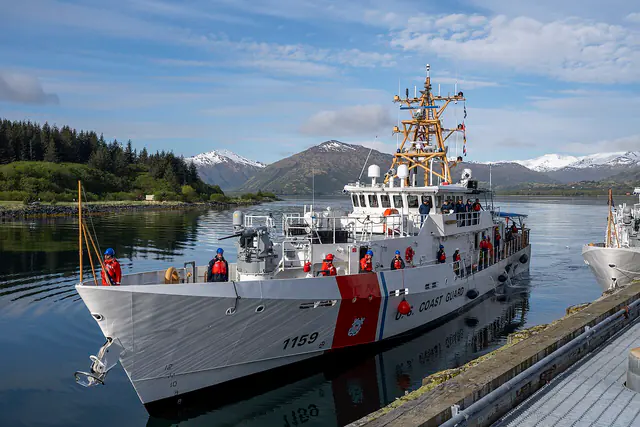
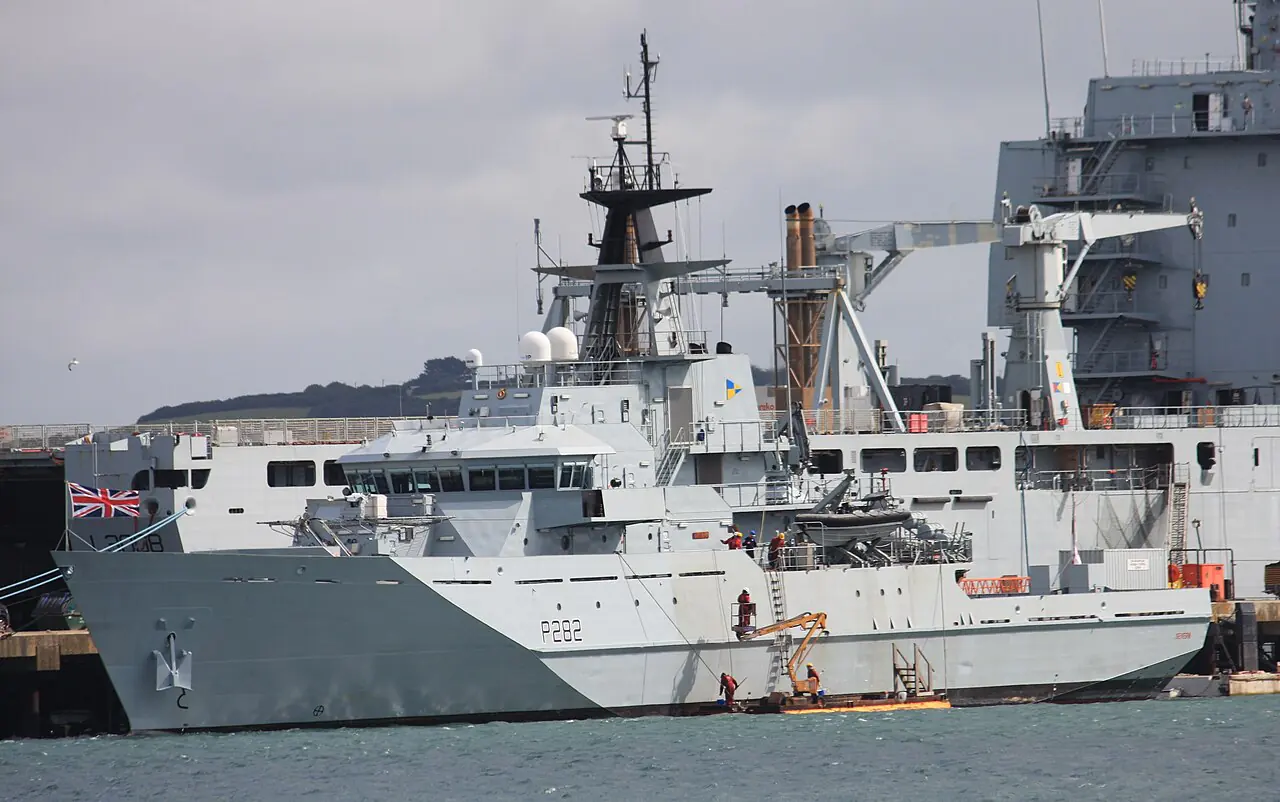
An Offshore Patrol Vessel (OPV) is a medium-sized, highly versatile surface ship designed to perform extended missions in maritime zones, such as Exclusive Economic Zones (EEZ), territorial waters, and contested coastal regions. While they share some similarities with smaller patrol boats and larger combatants like corvettes or frigates, the OPV occupies a unique and critical niche in maritime strategy, focused on maritime sovereignty, law enforcement, and safety rather than high-intensity, blue-water naval warfare.
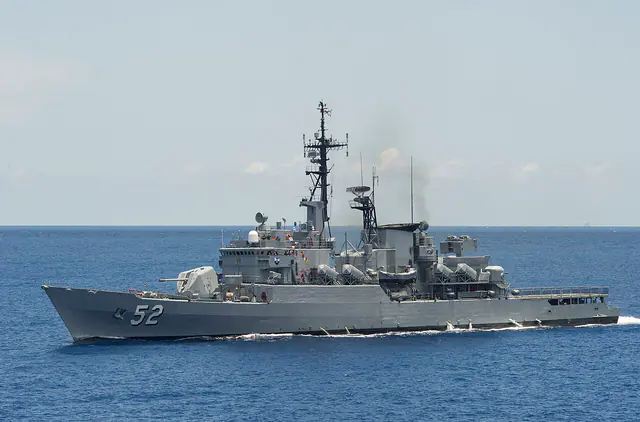
The primary distinction between an OPV and a corvette or frigate lies in the balance of armament, sensor sophistication, and lifecycle cost. A frigate is a combatant vessel built to survive and fight in multi-domain environments, equipped with anti-ship, anti-submarine, and advanced anti-air missile systems. In contrast, an OPV is optimized for persistence, endurance, and cost-effective presence. They are “multi-mission” platforms that can be rapidly reconfigured to meet shifting operational requirements—moving from counter-piracy to humanitarian relief or environmental monitoring with minimal downtime.
2. Mission and Operations
The operational scope of an OPV is exceptionally broad, making them indispensable to both national navies and coast guard agencies. Their missions can be categorized into maritime security, maritime safety, and environmental protection.
Maritime Security
- EEZ Surveillance: Constant monitoring of vast oceanic areas to prevent illegal activities such as unauthorized resource extraction or territorial incursions.
- Anti-Piracy: Conducting patrols in high-risk shipping lanes to protect commercial vessels from hijacking and extortion.
- Law Enforcement: Interdicting illegal smuggling operations, including drugs, weapons, and human trafficking. This often involves high-speed chases and complex boarding operations.
- Fisheries Protection: Preventing illegal, unreported, and unregulated (IUU) fishing, which is a major source of economic loss for many coastal nations.
- Counter-Infiltration: Detecting and intercepting small, fast-moving craft (such as suicide boats or smuggling skiffs) attempting to breach sovereign waters.
Maritime Safety
- Search and Rescue (SAR): Serving as the primary responder to maritime distress calls, utilizing onboard specialized equipment and fast boats to save lives at sea.
- Disaster Relief: Acting as a logistical hub for Humanitarian Aid and Disaster Relief (HADR) missions, capable of delivering medical supplies, food, and clean water to remote island chains or coastal communities.
- Convoy Escort: Providing a visible deterrent and security presence for commercial or humanitarian convoys in unstable or high-risk maritime corridors.
Environmental Protection
- Pollution Response: Detecting and responding to oil spills, chemical leaks, or other maritime environmental hazards.
- Scientific Research: Supporting marine biology or oceanographic studies through specialized sensor suites, modular laboratory spaces, or cargo handling facilities.
3. Hull, Size, and Design
OPV design principles prioritize endurance, stability, and modularity. Because they often operate in remote or harsh maritime environments, their hulls are engineered for exceptional seakeeping and long-range cruising.
Typical Specifications
| Feature | Typical Range |
|---|---|
| Length | 60 m – 120 m |
| Beam | 11 m – 15 m |
| Displacement | 1,000 – 3,750 tonnes |
| Draft | 3 m – 5 m |
| Cruising Speed | 12 – 16 knots |
| Maximum Speed | 20 – 28 knots |
| Endurance | 14 – 45 days |
| Range | 3,000 – 10,000 nautical miles |
Design Characteristics
- Hull Form: Most OPVs utilize a monohull design optimized for stability in heavy seas. High freeboard is common to protect the deck and bridge from heavy weather and to provide more internal volume for mission-specific equipment.
- Modularity: A defining feature of modern OPVs is the adoption of modular mission decks. These are often large, open areas designed to accommodate standard ISO containers. These containers can be swapped out to provide specialized capabilities, such as a mobile medical clinic, a command-and-control center, or storage for humanitarian aid.
- Construction Materials: To balance durability and weight, OPVs are typically constructed with high-tensile steel hulls for strength and longevity. The superstructure is often made of lightweight aluminum alloys to reduce the vessel’s center of gravity, thereby improving stability and increasing the possible weight for sensors or armament.
- Seakeeping and Stability: Advanced computational fluid dynamics (CFD) are used in the design phase to ensure the vessel can maintain operational stability during high-speed maneuvers and in significant wave heights, which is critical for flight deck operations and boarding.
4. Propulsion and Engines
Propulsion systems for OPVs are designed to balance two conflicting requirements: high-speed interception capability and extremely efficient, long-duration cruising.
Common Propulsion Configurations
- Diesel Propulsion: The industry standard. Medium-speed diesel engines (such as those from MTU, Caterpillar, or Wärtsilä) provide the necessary reliability and fuel efficiency for long-range patrols.
- CODOG (Combined Diesel or Gas): Found in higher-capability OPVs, this arrangement uses diesel engines for efficient cruising and high-power gas turbines for rapid, high-speed sprints. This allows the vessel to switch between low-consumption modes and high-performance modes.
- Diesel-Electric and Hybrid Systems: This is the leading edge of OPV design. In a diesel-electric setup, diesel engines drive generators, which in turn power electric motors. Hybrid systems (like those integrated by RENK or Leonardo DRS) incorporate battery storage, allowing the vessel to operate in a “silent mode” using only electric power. This is ideal for low-speed loitering, covert surveillance, or reducing the vessel’s carbon footprint.
- Wind-Assisted Propulsion: An emerging trend in maritime sustainability, where modern technologies like rotor sails or automated wing sails are used to supplement engine power, significantly reducing fuel consumption in favorable wind conditions.
Maneuverability and Control
- Controllable Pitch Propellers (CPP): Unlike fixed propellers, CPPs allow the operator to change the angle of the blades, enabling precise control of vessel speed and direction without requiring the engines to change RPM. This is essential for station-keeping and docking.
- Bow and Stern Thrusters: These lateral propulsion units allow the vessel to move sideways, providing the exceptional maneuverability required for tight port entries and precise positioning during boarding or rescue operations.
5. Electrical System and Power
The electrical architecture of an OPV is a complex network designed to ensure that mission-critical systems—such as navigation, communications, and weapons—never lose power.
Power Generation
- Redundant Diesel Generators: Multiple generators are installed to ensure that even if one fails, the vessel maintains sufficient power for all essential functions.
- Hybrid Power Integration: In modern hybrid vessels, the electrical system integrates high-density battery banks. These batteries act as a buffer, absorbing excess energy during high-load periods and providing supplemental power during low-load or silent operations. This reduces the “wear and tear” on main diesel engines by preventing them from running at inefficiently low loads.
Power Management Systems (PMS)
A sophisticated, automated PMS is the brain of the electrical system. It monitors the load on each generator and automatically manages the distribution of power. The PMS can perform “load shedding”—automatically disconnecting non-essential systems (like air conditioning in non-critical areas) to preserve power for vital systems (like propulsion or radar) during an emergency.
Electrical Distribution
Modern OPVs utilize high-voltage AC or DC distribution architectures to minimize energy loss over long distances within the ship, ensuring that power reaches remote sensor arrays and heavy machinery efficiently.
6. Equipment and How It Is Used
An OPV’s effectiveness is derived from its integrated sensor, weapon, and mission-support suites.
Armament and Self-Defense
OPVs are generally “lightly armed,” focusing on deterrent and self-defense roles:
- Main Gun Systems: Typically a 25mm, 30mm, or 76mm autocannon. These are often mounted on Remote Controlled Weapon Stations (RCWS) to allow for precision engagement of surface targets or low-flying aircraft with minimal crew exposure.
- Secondary Armament: Multiple machine gun mounts (e.g., 12.7mm or .50 caliber) are distributed around the vessel to defend against fast inshore attack craft (FIAC) and pirates.
- Missiles: Some high-end models may carry short-range surface-to-air missiles (SAMs) for enhanced air defense.
Sensors and Surveillance
- Radar Systems: OPVs utilize a combination of X-band radar (high resolution for surface/target tracking) and S-band radar (longer range for weather and surface search). Modern vessels increasingly use 4D Active Electronically Scanned Array (AESA) radars, which provide much higher precision and the ability to track multiple targets simultaneously.
- Electro-Optical/Infrared (EO/IR): High-definition stabilized camera systems (such as the SeaFLIR) provide high-resolution visual and thermal imaging, enabling the crew to identify targets at long distances in total darkness or through haze.
- Sonar: Hull-mounted sonar systems allow the vessel to detect underwater threats, such as divers, mines, or small submersibles, which is critical for maritime security in littoral waters.
- IFF (Identification Friend or Foe): Essential for distinguishing between friendly, neutral, and hostile aircraft or vessels.
Mission-Specific Equipment
- Fast Interceptor Craft & RHIBs: Rigid Hull Inflatable Boats (RHIBs) are the workhorses for boarding, rescue, and pursuit. They are typically launched via high-speed davits or stern ramps.
- Aviation Facilities: Many OPVs feature a flight deck and sometimes a hangar, capable of supporting medium-sized helicopters or Unmanned Aerial Vehicles (UAVs). This significantly extends the vessel’s “eyes” and response time.
- Modular Mission Modules: As previously mentioned, these allow the ship to carry specialized ISO containers, transforming the vessel’s capability from a patrol ship to a hospital ship or a research vessel in a matter of hours.
7. Navigation, Communications, and Safety
Navigation
Precise navigation is the foundation of all maritime operations.
- ECDIS (Electronic Chart Display and Information System): Replaces traditional paper charts with real-time digital mapping and vessel positioning.
- AIS (Automatic Identification System): A critical tool for situational awareness, allowing the crew to identify and track other vessels via VHF data transmission.
- GPS/GNSS: Provides precise positioning for all navigation and sensor operations.
Communications
- SATCOM (Satellite Communication): Provides the high-bandwidth, long-range connectivity required for data, voice, and video transmissions.
- GMDSS (Global Maritime Distress and Safety System): An international standard that ensures a vessel can reliably send and receive distress signals across the globe.
- Tactical Data Links: Enables secure, real-time information sharing with other naval assets, aircraft, or shore-based command centers.
Safety and Compliance
- SOLAS (Safety of Life at Sea): The governing international treaty that dictates requirements for life-saving appliances (lifeboats, life rafts), fire protection, and structural integrity.
- Emergency Response: OPVs are equipped with advanced fire-suppression systems and damage control equipment to manage onboard emergencies autonomously.
8. Crew and Organization
OPVs are designed for efficiency, often utilizing high levels of automation to minimize the required complement.
Typical Complement
The crew size typically ranges from 30 to 140 personnel, depending on the ship’s size and mission requirements.
Organizational Structure
- Commanding Officer (CO): Holds ultimate responsibility for the safety of the ship, the mission, and the crew.
- Deck Department: Responsible for navigation, seamanship, boat operations, and overall ship handling.
- Engineering Department: Manages the propulsion, electrical, and auxiliary systems, ensuring the ship remains operational.
- Weapons and Sensors Department: Operates the armament, radar, sonar, and electronic warfare systems.
- Specialized Personnel: Depending on the mission, the crew may include medical officers, flight deck officers, or intelligence specialists.
9. Certificates and Training Requirements
Mandatory Certifications
- STCW (Standards of Training, Certification, and Watchkeeping): An international standard that ensures all crew members are trained to a baseline of competence in navigation, engineering, and safety.
- Specialized Technical Certifications: Operators of complex systems—such as AESA radars, EO/IR sensors, or remote weapon stations—must undergo rigorous, manufacturer-specific training.
- Medical and Safety Certifications: Crew members must hold valid medical certificates and undergo regular training in damage control and firefighting.
Operational Training
Crew undergo continuous training in:
- Boarding and Interdiction: Tactical training for law enforcement and anti-piracy.
- Search and Rescue (SAR): Drills for locating and recovering persons from the water.
- Damage Control: Drills for managing fires, flooding, and structural damage.
10. Regulations, Class, and Inspections
International Regulatory Framework
- IMO (International Maritime Organization): The UN agency that sets global standards for ship safety, security, and environmental performance.
- SOLAS (Safety of Life at Sea): The cornerstone treaty for vessel safety, covering everything from hull strength to life-saving equipment.
- MARPOL (Marine Pollution): The primary international convention aimed at preventing pollution from ships (e.g., oil, sewage, garbage, air emissions).
- Polar Code: Mandatory for any vessels operating in Arctic or Antarctic regions.
Classification and Inspection
To ensure engineering excellence and structural integrity, OPVs are typically “classed” by recognized organizations such as DNV, ABS, Lloyd’s Register (LR), or Bureau Veritas (BV).
- Class Surveys: Regular, rigorous inspections of the hull, machinery, and electrical systems are conducted by the classification society to ensure the vessel remains compliant with its design and safety standards.
- Port State Control (PSC): National maritime authorities inspect foreign vessels in their ports to ensure compliance with international regulations.
11. Notable Shipyards, Operators, and Example Vessels
Leading Shipyards and Manufacturers
- Damen Shipyards Group (Netherlands): A world leader in versatile, modular OPV designs.
- BAE Systems (UK): Renowned for robust and highly adaptable patrol vessel families.
- Navantia (Spain): Provides high-tech, sophisticated maritime platforms.
- Rheinmetall (Germany): A major supplier of integrated naval systems and vessel designs.
- Fincantieri (Italy): A key provider of specialized naval and coast guard vessels.
Example Vessels
| Vessel Class / Name | Operator | Key Characteristic |
|---|---|---|
| Del Pilar-class | Philippine Navy | 3,250t, CODOG propulsion, high endurance. |
| Australian OPV (80m) | Australian Navy | 80m, optimized for EEZ and SAR. |
| US Coast Guard OPC | US Coast Guard | Advanced hybrid electric drive technology. |
| French Navy OPVs | French Navy | Equipped with Thales AESA and sonar suites. |
| Indian Navy OPV | Indian Navy | Versatile, multi-mission capability for EEZ. |
| Damen OPV Range | Various | Widely exported, highly modular platforms. |
12. Environment and Future Outlook
The future of the Offshore Patrol Vessel is being defined by two major trends: Sustainability and Autonomy.
Sustainability and Decarbonization
- Hybrid and Electric Propulsion: The transition toward electric-drive and hybrid systems is accelerating, driven by the need to reduce fuel consumption and carbon emissions.
- Alternative Fuels: Future OPVs will likely be designed with “fuel-agnostic” engines, capable of operating on LNG, hydrogen, or advanced biofuels.
- Wind-Assisted Technology: Integrating automated wind-sailing technologies to supplement diesel engines.
Autonomy and Digitalization
- Unmanned Systems Integration: The OPV of the future will act as a “mothership” for a swarm of Unmanned Surface Vessels (USVs) and Unmanned Aerial Vehicles (UAVs), allowing for massive increases in surveillance and strike capability without increasing the human crew.
- Enhanced Modularity: The concept of “plug-and-play” mission modules will become even more prevalent, allowing a single hull to serve as a wide array of specialized vessels.
- Artificial Intelligence (AI): AI will play a critical role in automating routine tasks, enhancing sensor fusion, and providing decision-support to commanders in complex maritime environments.
13. Facts, Records, and Common Misconceptions
Common Misconceptions
- “OPV vs. Corvette”: While they may look similar, a corvette is a combatant designed for war, whereas an OPV is a multi-role platform designed for maritime presence and law enforcement.
- “The ‘Warship’ Label”: While many OPVs are commissioned by navies, they are primarily “constabulary” vessels, meaning their purpose is to enforce the law rather than engage in high-intensity combat.
Fast Facts
- Versatility: A single OPV can transition from a fishery patrol to a humanitarian relief ship in a matter of days by swapping modular containers.
- Cost-Effectiveness: OPVs provide the most “presence per dollar” for maritime nations, offering a scalable way to secure vast ocean territories.
14. Glossary
- AESA (Active Electronically Scanned Array): A radar technology that uses many small modules to steer a beam electronically, offering superior precision.
- AIS (Automatic Identification System): A VHF-based system used for tracking the position and identity of vessels.
- CODOG (Combined Diesel or Gas): A propulsion arrangement using diesel engines for cruising and gas turbines for high speed.
- EEZ (Exclusive Economic Zone): A maritime zone extending 200 nautical miles from a nation’s coast, over which they have resource rights.
- EO/IR (Electro-Optical/Infrared): Sensors that use visible light and thermal imaging to provide visual surveillance.
- GMDSS (Global Maritime Distress and Safety System): The international standard for maritime emergency communications.
- HADR (Humanitarian Aid and Disaster Relief): Missions focused on providing aid during natural or man-made disasters.
- IMO (International Maritime Organization): The UN agency responsible for global maritime safety and environmental protection.
- RHIB (Rigid Hull Inflatable Boat): A fast, durable boat used for boarding and rescue operations.
- SOLAS (Safety of Life at Sea): The primary international treaty regarding maritime safety.