1. What Is This Ship?
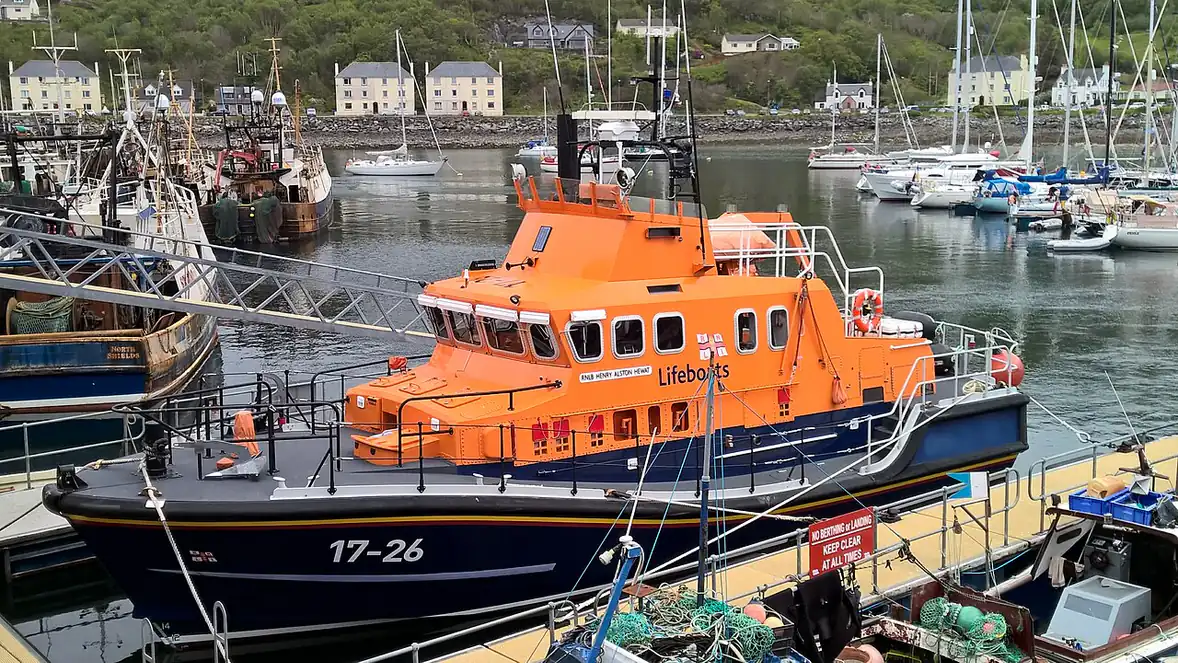
A Search and Rescue (SAR) lifeboat is a highly specialized maritime vessel designed with a singular, humanitarian mission: to locate and assist persons, vessels, or aircraft in distress at sea. Unlike standard commercial or recreational craft, a SAR lifeboat is engineered to operate in extreme sea states—often in conditions that would be fatal to other vessels—to reach casualties and bring them to safety.
The maritime SAR environment is broadly categorized into two operational domains:
- Coastal Rescue: These operations take place relatively near the shoreline, often in sheltered or semi-sheltered waters. They typically utilize smaller, highly maneuverable inshore rescue craft (IRCs) or fast, shallow-draft lifeboats capable of navigating breaking surf and rocky coastlines.
- Offshore Rescue: These missions occur in open sea or deep-water environments, far from land and often in heavy swell. Offshore lifeboats are significantly larger, more robust, and equipped with advanced endurance capabilities to sustain long-range missions in extreme weather.
The coordinating framework for these operations is provided by the International Maritime Organization (IMO) through the International Convention on Maritime Search and Rescue (SAR Convention), which mandates that nations provide coordinated SAR services.
2. Mission and Operations
The mission of a SAR lifeboat extends beyond simple boat-to-boat transfers. Their operations are part of a highly coordinated sequence initiated by a Rescue Coordination Center (RCC).
Operational Lifecycle
- Distress Alert: An alert is received via various means, including VHF/DSC (Digital Selective Calling), satellite distress beacons (EPIRBs), maritime mobile service identities, or direct voice calls.
- Assessment and Planning: The RCC analyzes the situation, assessing the position of the distressed party, weather conditions, and sea states. They use predictive modeling to estimate “drift”—the movement of a person or vessel caused by wind and current.
- Deployment: The SAR lifeboat is launched. Launch methods vary by station: some use slipways (launching down a ramp), some use davits (lowering from a mother ship or pier), and others use specialized launch carriages.
- The Search: If the casualty’s position is imprecise, the lifeboat executes specific search patterns (e.g., expanding square, sector search, or parallel sweep) to maximize the probability of detection.
- The Rescue: Once located, the crew performs maneuvers to stabilize the casualty. This may involve deploying rescue swimmers, using recovery winches, or performing a “close-quarters” approach to pull people from the water or another vessel.
- Medical Assistance and Towing: Many SAR missions involve providing immediate first aid or stabilizing a disabled vessel by towing it to safety.
3. Hull, Size, and Design
The defining technical characteristic of a SAR lifeboat is its ability to survive “capsizing” events and extreme environmental forces.
Self-Righting Capability
A primary design requirement for offshore lifeboats is self-righting. If a vessel is rolled 180 degrees by a breaking wave or extreme swell, it must have sufficient buoyancy and stability characteristics to return to an upright position automatically. This is achieved through:
- Low Center of Gravity (CoG): Heavy machinery and ballast are placed as low as possible.
- High Reserve Buoyancy: Large, watertight compartments (often air-filled) ensure that even if partially submerged, the vessel’s buoyancy force creates a righting moment.
- Watertight Integrity: The hull and superstructure are designed to remain watertight even under extreme pressure from immersion.
Materials and Construction
The choice of material depends on the mission profile:
- Fiberglass Reinforced Plastic (FRP/GRP): Common in many medium-sized lifeboats due to its strength-to-weight ratio, corrosion resistance, and ease of molding into complex hydrodynamic shapes.
- Aluminum: Increasingly used for high-endurance, large-scale lifeboats (e.g., Robert Allan designs). Aluminum offers excellent structural rigidity and can be engineered to be lighter than steel while maintaining high impact resistance.
- Steel: Primarily used in larger, heavy-duty rescue vessels where mass is required for stability and durability in heavy sea states.
Hull Geometry
Modern SAR hulls often feature:
- Flared Bows and Double Spray Chines: Designed to deflect water away from the vessel, preventing “green water” (large waves) from washing over the deck and into the superstructure.
- Central Skegs or Keels: Provide directional stability and protect the rudder and propellers.
- Reduced Freeboard Amidships: Some designs allow for lower midship height to facilitate easier recovery of persons from the water.
| Feature | Impact on Performance |
|---|---|
| Self-Righting | Critical for survivability in extreme sea states (Beaufort 12). |
| Hull Material | FRP for agility/cost; Aluminum for endurance/rigidity. |
| Spray Chines | Reduces deck wetness and increases stability during turns. |
| Watertight Bulkheads | Ensures buoyancy even if one compartment is breached. |
4. Propulsion and Engines
Propulsion systems in SAR lifeboats must balance high speed for rapid response with extreme reliability and maneuverability.
Diesel Engines
The backbone of most SAR vessels is the high-speed diesel engine. These engines are chosen for their high power-to-weight ratio and ability to operate reliably under heavy loads. Redundancy is key; most lifeboats feature twin engines to ensure that a single mechanical failure does not leave the vessel stranded.
Water Jet Propulsion
In recent decades, water jet propulsion (e.g., Hamilton Jets) has become standard for many inshore and medium-sized SAR craft.
- Advantages:
- Shallow Water Operation: Can operate in very shallow water without the risk of hitting rocks or reefs.
- Safety: Eliminates exposed propellers and rudders, significantly reducing the risk of injury to persons being rescued from the water.
- Maneuverability: Allows for exceptional control, including the ability to “hover” or move sideways in certain configurations.
- Beachability: Enables the vessel to drive onto a beach for easy landing.
Conventional Propellers
For large, offshore-focused lifeboats, traditional propellers combined with rudders remain common. These systems are highly efficient for long-range cruising and provide significant thrust for towing operations.
5. Electrical System and Power
The electrical system of a SAR lifeboat is a “mission-critical” component. A failure in navigation, communication, or lighting can render the vessel unable to perform its duty or even survive.
Redundancy and Power Sources
Regulations (such as 46 CFR Part 120) require that vital loads—such as navigation, communication, and internal lighting—be energized from at least two independent sources of electricity.
- Primary Source: Main engine-driven alternators.
- Secondary Source: Dedicated auxiliary generator sets (essential for vessels >19.8m).
- Emergency Source: High-capacity battery banks capable of powering essential equipment for a specified duration (typically at least 3 hours) even if both engines and generators fail.
Distribution and Lighting
- Stabilized Power: Modern lifeboats use sophisticated power management systems to prevent voltage drops when high-load equipment (like winches) is activated.
- Floodlighting: High-intensity floodlights are required to illuminate the embarkation stations and the area around the vessel during nighttime rescues or in heavy spray.
6. Equipment and How It Is Used
Every piece of equipment onboard a SAR lifeboat is chosen for its ability to function in extreme, corrosive, and wet environments.
Rescue and Recovery Gear
- Rescue Winches: Used for hoisting casualties from the water or from decks of larger ships.
- Towing Hawser: Heavy-duty lines used for towing disabled vessels.
- Recovery Slings/Nets: Specialized gear for lifting people or cargo.
Medical Equipment
Modern SAR lifeboats often act as mobile trauma units.
- Oxygen/Resuscitation Kits: For treating drowning victims or breathing difficulties.
- Defibrillators (AEDs): Crucial for cardiac arrest scenarios.
- Thermal Blankets/Survival Bags: To prevent hypothermia in survivors.
Essential Survival Craft Equipment (per 46 CFR 133.175)
| Item | Purpose |
|---|---|
| Bailer / Pump | Removing water from the hull. |
| First-Aid Kit | Immediate medical care. |
| Flashlight/Searchlight | Visual searching and signaling. |
| Heaving Line | Throwing a line to a person in the water. |
| Mirror (Signalling) | Visual signaling to aircraft or ships. |
| Sea Anchor | Reducing drift during stationary operations. |
| Thermal Protective Aids | Preventing hypothermia. |
| Whistle/Signal | Audible signaling. |
7. Navigation, Communications, and Safety
The ability to see, be seen, and communicate is the lifeline of a SAR operation.
Navigation Systems
- Radar: Essential for detecting obstacles, other vessels, and land in low visibility (fog, heavy rain).
- AIS (Automatic Identification System): Allows the lifeboat to see the identity, position, and heading of other vessels.
- GPS / GNSS: Provides precise positioning for search patterns and navigation.
- Electronic Chart Display and Information System (ECDIS): Digital mapping for safe passage.
Communications
- VHF/DSC (Very High Frequency): The primary method for voice and digital distress signaling between ships and shore stations.
- Satellite Communications: Enables long-range communication, especially in offshore operations.
- EPIRB (Emergency Position Indicating Radio Beacon): A device that, when activated, sends a distress signal via satellite to the global SAR network.
- SART (Search and Rescue Transponder): A device that responds to marine radar, creating a distinctive signal on the screens of nearby vessels and aircraft to pinpoint the lifeboat’s location.
8. Crew and Organization
A SAR lifeboat is only as effective as its crew. Most lifeboat services operate on a mix of professional and highly trained volunteer models.
Key Roles
- Coxswain: The commanding officer responsible for the vessel’s safety, navigation, and the overall execution of the rescue.
- Mechanic/Engineer: Responsible for the maintenance and immediate troubleshooting of the propulsion and electrical systems.
- Crew Members: Tasked with specialized duties such as casualty care, lookout, or operating recovery gear.
- Medical Officer: (On larger vessels) A trained professional responsible for providing advanced life support.
Training and Competence
Crew members undergo rigorous, structured training programs. In organizations like the RNLI (Royal National Lifeboat Institution), this includes:
- Weekly Training: Focused on boat-handling, seamanship, and teamwork.
- Specialist Courses: Training in radar operation, radio communications, and casualty care.
- Emergency Procedures: High-stress simulations to prepare for capsizing or engine failure.
9. Certificates and Training Requirements
Compliance with international and national standards is mandatory.
Maritime Standards
- STCW (Standards of Training, Certification, and Watchkeeping for Seafarers): Provides the baseline for maritime competence, including firefighting, personal survival techniques, and basic first aid.
- SOLAS (Safety of Life at Sea): Sets the international standards for the design and equipment of life-saving appliances.
- LSA Code (Life-Saving Appliance Code): Provides detailed technical specifications for equipment like lifeboats and liferafts.
Required Certifications
- Certificate of Competency (CoC): For officers and coxswains.
- GMDSS (Global Maritime Distress and Safety System) Radio Certificate: Required for operators using VHF/DSC and satellite communications.
10. Regulations, Class, and Inspections
To ensure reliability, SAR lifeboats are subject to strict regulatory oversight.
Regulatory Framework
- IMO (International Maritime Organization): Sets the global standards (SAR Convention, SOLAS).
- National Authorities: Agencies like the US Coast Guard (USCG) enforce regulations within their jurisdictions.
Classification Societies
Organizations such as DNV (Det Norske Veritas), Lloyd’s Register (LR), and the American Bureau of Shipping (ABS) act as independent auditors. They:
- Review technical designs during the engineering phase.
- Verify that construction meets specified standards.
- Conduct periodic surveys to ensure the vessel remains in class.
Inspection Regimes
- Annual/Periodic Surveys: Checking hull integrity, machinery, and electrical systems.
- Equipment Checks: Ensuring all survival gear (EPIRBs, rations, first aid) is within its expiry date and fully functional.
- Launch Tests: Verifying that deployment systems (davits, slipways) operate reliably.
11. Notable Shipyards, Operators, and Example Vessels
The SAR landscape is shaped by specialized designers and dedicated organizations.
Key Operators
- RNLI (Royal National Lifeboat Institution): The world’s largest volunteer search and rescue organization.
- USCG (United States Coast Guard): A professional military/government agency.
- KNRM (Koninklijke Nederlandse Redding Maatschappij): The Dutch national rescue service.
Notable Designers and Manufacturers
- Robert Allan Ltd: Renowned for high-endurance, aluminum offshore designs.
- Damen Shipyards: A major global manufacturer of various rescue craft.
- Vos Shipyards: Specialists in high-speed, aluminum-hulled rescue vessels.
- Hamilton Jet: A leader in water jet propulsion technology.
Example Vessels
| Vessel Class / Model | Operator | Propulsion | Est. Speed | Primary Role |
|---|---|---|---|---|
| Severn Class | RNLI (UK) | Twin Diesel | 25 kts | All-weather / Offshore |
| Arun Class | RNLI (UK) | Twin Diesel | 18 kts | All-weather / Offshore |
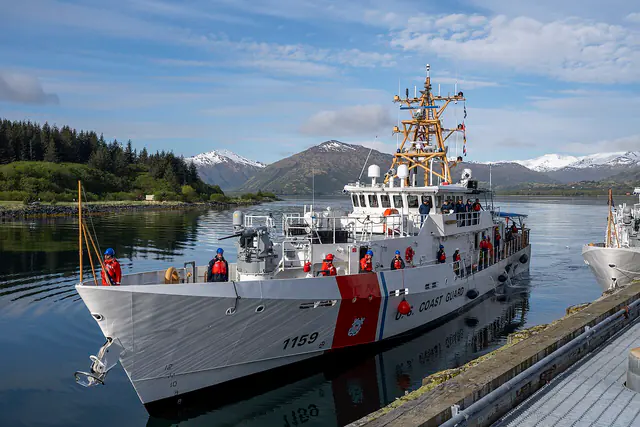
| Response Boat Medium (RBM) | USCG (USA) | Twin Diesel | 40+ kts | Coastal / Fast Response |
| Nh 1816 Class | KNRM (NL) | Water Jet | 35 kts | All-weather / Coastal |
| High Endurance SAR | Canadian CG | Twin Diesel | 23.5 kts | Extreme Offshore |
12. Environment and Future Outlook
The maritime industry is undergoing a significant transition, and SAR operations are no exception.
Green Propulsion
The drive toward decarbonization is leading to research into:
- Hybrid Systems: Combining diesel engines with electric motors to improve efficiency and reduce emissions during low-speed maneuvers.
- HVO (High Vegetable Oil): As seen in the Norwegian RS project, using HVO-powered engines can reduce standard emissions by up to 50%.
- Fully Electric Craft: While currently limited by battery energy density for long-range missions, electric propulsion is increasingly viable for small, inshore rescue boats.
Autonomy and AI
The rise of Marine Autonomous Surface Ships (MASS) is paving the way for:
- Unmanned Rescue Vessels (URV): AI-driven prototypes that can deploy rapidly to a distress signal without risking a human crew. These are particularly useful for high-risk surf rescues or monitoring offshore platforms.
- AI-Enhanced Search Patterns: Using machine learning to better predict drift and optimize search patterns, reducing time-to-rescue.
13. Facts, Records, and Common Misconceptions
- Myth: Speed is everything. While speed is vital for response times, durability and stability are more important. A fast boat that cannot survive a 10-meter swell is useless for most offshore missions.
- Fact: Self-righting isn’t instant. Even a well-designed self-righting vessel may take several seconds to return to upright, during which time the crew must be protected by enclosed, watertight structures.
- Myth: SAR lifeboats are just “small boats.” Modern offshore SAR vessels are highly sophisticated maritime platforms, often more technologically advanced than the commercial ships they are sent to assist.
14. Glossary
- AIS (Automatic Identification System): An automated tracking system used on ships for identifying and locating vessels by electronically exchanging data with other nearby ships and AIS base stations.
- Beaufort Scale: An empirical measure that relates wind speed to observed conditions at sea.
- Coxswain: The person in command of a small boat.
- EPIRB (Emergency Position Indicating Radio Beacon): A device that transmits a signal to satellites when it detects immersion or manual activation.
- FRP (Fiberglass Reinforced Plastic): A composite material widely used in boat hulls.
- HVO (High Vegetable Oil): A renewable diesel alternative.
- RCC (Rescue Coordination Center): The facility responsible for coordinating SAR operations.
- SART (Search and Rescue Transponder): A device that makes a vessel visible on radar.
- SOLAS (Safety of Life at Sea): The most important international treaty regarding the safety of merchant ships.
- Water Jet: A propulsion system that uses a high-pressure stream of water to move a vessel.
15. Sources
- International Maritime Rescue Federation (IMRF) - https://www.international-maritime-rescue.org/
- International Maritime Organization (IMO) - https://www.imo.org/
- RNLI - https://rnli.org/
- US Coast Guard (USCG) - https://www.uscg.mil/
- eCFR - 46 CFR Part 120/133 - https://www.ecfr.gov/
- Robert Allan Ltd - https://www.robert-allan.com/
- HamiltonJet - https://www.hamiltonjet.com/
- Damen Shipyards - https://www.damen.com/