1. What Is This Ship?
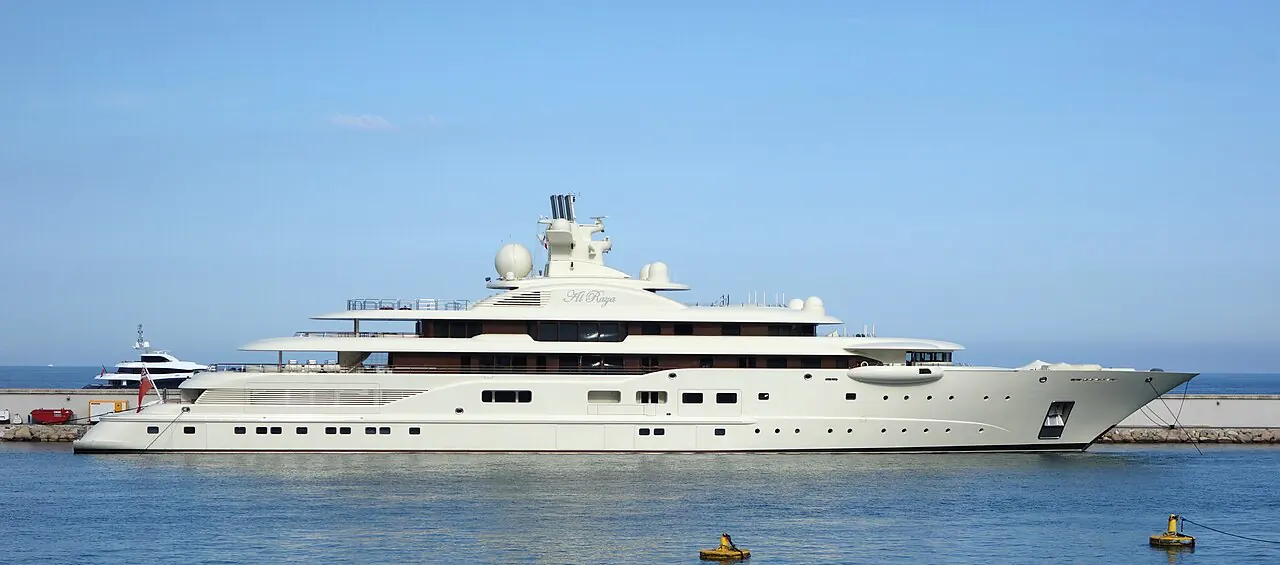
In the maritime industry, the terms “superyacht” and “megayacht” are frequently used to categorize high-end, luxury pleasure craft. However, it is critical to understand that these are not formal, legally defined classes of vessels within international maritime law or classification society rules. Instead, they are industry-standard descriptors used to communicate the scale, luxury, and complexity of a vessel.
Generally, the distinction is based on length:
- Yacht / Boat: Typically refers to vessels under 24 meters (approx. 78 feet) in length. These are often owner-operated with minimal professional crew.
- Superyacht: Usually denotes vessels between 24 meters and 60 meters (78–197 feet). These yachts require professional crews to manage increasingly complex onboard systems, including advanced navigation, electrical, and luxury amenities.
- Megayacht: Often used for vessels exceeding 60 meters (approx. 197 feet). These are massive engineering feats, often featuring multiple decks, expansive social spaces, and highly specialized departments for crew and guests.
- Gigayacht: An informal term sometimes applied to vessels exceeding 100 meters (328 feet). These ships represent the pinnacle of maritime engineering, often featuring helicopter hangars, submarine bays, and custom-built amenities that rival commercial cruise ships in scale but maintain the privacy of a private residence.
A superyacht or megayacht is distinguished from commercial shipping not by its purpose (which is leisure and prestige), but by its design philosophy. While a cargo ship is designed for maximum volume and efficiency per ton of cargo, a megayacht is designed for maximum comfort, aesthetic excellence, and customized luxury, often at the expense of raw efficiency.
2. Mission and Operations
The “mission” of a superyacht is multifaceted, ranging from pure private leisure to high-end commercial chartering.
2.1 Private Cruising
The primary mission for most owners is personal enjoyment and social status. Private yachts serve as mobile luxury residences, allowing owners to travel to remote destinations with all the comforts of home. Operations are dictated by the owner’s schedule, often following seasonal patterns (e.g., the Mediterranean in summer and the Caribbean in winter).
2.2 Commercial Charter
Many owners offset the high costs of ownership by placing their vessels on a professional charter program. Under this mission, the yacht operates as a luxury rental for high-net-worth individuals. To do this legally and safely, the vessel must comply with strict international regulations, most notably the Large Commercial Yacht Code (LY3/REG-YC), which ensures passenger safety and crew welfare similar to commercial passenger ships.
2.3 Expedition and Exploration
A growing segment of the market is dedicated to “Explorer” or “Expedition” yachts. Unlike traditional white-painted Mediterranean yachts, these vessels are designed for long-range autonomy and rugged environments. Key features include:
- Ice-strengthened hulls for polar exploration.
- Increased fuel capacity for extended periods away from ports.
- Specialized storage for scientific equipment, submersibles, or tenders.
- Robust stabilization systems for rougher seas.
3. Hull, Size, and Design
The design of a megayacht is a delicate balance between naval architecture (the physics of floating and moving) and interior architecture (the art of luxury living).
3.1 Hull Forms
The choice of hull form dictates the vessel’s speed, efficiency, and sea-keeping abilities:
- Displacement Hulls: These move through the water by pushing it aside. They are heavy, extremely stable, and highly efficient for long-range cruising at moderate speeds. Most megayachts use displacement or semi-displacement hulls.
- Semi-Displacement Hulls: A hybrid approach that allows for higher speeds than a pure displacement hull by partially lifting the bow out of the water as speed increases, reducing drag.
- Planing Hulls: Designed to rise up and “skim” on top of the water at high speeds. While very fast, they are less efficient at low speeds and can be less stable in rough seas. They are more common in smaller, high-performance yachts.
3.2 Construction Materials
Material selection is driven by weight, cost, strength, and aesthetic requirements.
- Steel: The standard for the main hulls of large megayachts. Steel offers excellent strength, durability, and cost-effectiveness for massive structures. However, it is heavy, which can impact speed and efficiency.
- Aluminium: Frequently used for the superstructure (the upper decks). Aluminium is significantly lighter than steel, which helps lower the vessel’s Center of Gravity (CoG), improving stability. It is also easier to shape into the complex, flowing curves often seen in modern yacht design.
- Composites (CFRP/GFRP): Carbon Fiber Reinforced Polymer (CFRP) and Glass Fiber Reinforced Polymer (GFRP) are used for specialized components like masts, tender garages, or even entire hulls for smaller, high-performance yachts. Composites offer an incredible strength-to-weight ratio and allow for extreme design freedom.
3.3 Engineering Challenges: Galvanic Corrosion and Weight
A major technical challenge in mixed-material construction (e.g., an aluminium superstructure on a steel hull) is galvanic corrosion. When two dissimilar metals are in electrical contact in a saline environment, one will corrode at an accelerated rate. Engineers must use advanced isolation techniques, such as specialized gaskets, coatings, and sacrificial anodes, to prevent structural failure.
Furthermore, managing weight and trim is critical. Every piece of luxury equipment—from marble floors to heavy AV systems—adds weight. If not carefully managed, this can affect the vessel’s stability and its ability to maintain a level trim in the water.
4. Propulsion and Engines
The propulsion system is the heart of the yacht, determining its range, speed, and environmental footprint.
4.1 Propulsion Architectures
| System Type | Description | Primary Use Case |
|---|---|---|
| Diesel Mechanical | Diesel engines drive propeller shafts directly through a gearbox. | Smaller superyachts (<60m); simple and reliable. |
| Diesel-Electric | Diesel generators produce electricity, which powers electric motors driving the propellers. | Large megayachts; offers silence, efficiency, and flexibility. |
| Hybrid | Combines diesel generators, electric motors, and large battery banks. | Modern luxury yachts; allows for silent, zero-emission low-speed maneuvering. |
4.2 Engine Technologies
Most megayachts rely on high-performance marine diesel engines from manufacturers like MTU, Caterpillar, and MAN.
- Diesel-Electric systems are increasingly popular because they allow the yacht to optimize generator load. Instead of running multiple large engines at low efficiency, the yacht can run one generator at its peak efficiency to power both the propulsion motors and the “hotel load” (onboard amenities).
- Hybridization is the current frontier. By incorporating large Lithium-ion battery banks, yachts can operate in “electric mode” while in sensitive environments like marinas or protected bays, significantly reducing noise and local emissions.
4.3 Maneuverability
To ensure safe docking and precise positioning, megayachts utilize advanced propulsion aids:
- Azimuth Thrusters (Pods): Instead of fixed shafts, these are propeller units that can rotate 360 degrees, allowing the yacht to move in any direction.
- Bow and Stern Thrusters: Small propellers mounted in tunnels at the front and rear of the hull to assist with lateral movement.
5. Electrical System and Power
A megayacht is essentially a floating, high-tech city. The electrical system must manage massive power demands while ensuring absolute reliability for critical systems.
5.1 Power Generation and Distribution
Power is typically generated by multiple marine diesel generators (gensets). These are distributed through a complex network of switchboards and transformers.
- High Voltage (HV) Systems: Used on larger vessels to transmit large amounts of power (for HVAC and heavy machinery) with less cable weight and heat loss.
- Low Voltage (LV) Systems: Standard 230V/400V systems used for guest accommodations, lighting, and standard equipment.
5.2 The “Hotel Load”
The “hotel load” refers to all the power required for guest comfort and crew operations, which can sometimes rival the propulsion power requirements. This includes:
- HVAC (Heating, Ventilation, and Air Conditioning): The largest single consumer of electrical power.
- Desalination: Reverse osmosis watermakers that turn seawater into fresh water.
- AV/IT: Servers, high-speed satellite internet, and integrated smart-home systems.
- Galley Equipment: High-end commercial kitchens.
5.3 Energy Storage and Stability
Modern yachts increasingly use large battery banks for “peak shaving”—using battery power to handle sudden spikes in electrical demand, which prevents the need to start an additional, inefficient generator.
6. Equipment and How It Is Used
Beyond propulsion and power, a megayacht is equipped with specialized technology to enhance both guest experience and operational capability.
6.1 Stabilization Systems
To ensure guest comfort in rough seas, yachts employ sophisticated stabilization:
- Fin Stabilizers: Active wings (similar to airplane flaps) mounted under the hull. They move in response to sensors to counteract the vessel’s roll.
- Gyro Stabilizers: Large, internal spinning masses that use gyroscopic precession to counteract motion. These are preferred for vessels where external fins might be unsightly or inefficient.
6.2 Tenders and “Toys”
A megayacht often acts as a “mothership” for a fleet of smaller vessels:
- Tenders: High-speed boats used to transport guests to shore.
- Toys: Jet skis, Seabobs, and even mini-submarines.
- Deployment: These are managed via heavy-duty hydraulic cranes and specialized “tender garages” located in the hull.
6.3 Communication and Connectivity
In the modern era, being “off the grid” is a choice, not a necessity. High-speed satellite connectivity (e.g., Starlink Maritime) allows for seamless video conferencing, streaming, and remote work anywhere in the world’s oceans.
7. Navigation, Communications, and Safety
Safety at sea is paramount, especially given the high value of the assets and the lives on board.
7.1 Navigation Systems
Modern bridge operations are highly automated but require expert oversight.
- ECDIS (Electronic Chart Display and Information System): The digital replacement for paper charts.
- Radar and AIS (Automatic Identification System): Used for detecting other vessels and obstacles.
- GPS and GNSS: For precise positioning.
7.2 Communication and Emergency Signals
- Satellite Comms: Inmarsat and Iridium systems provide global voice and data.
- Emergency Signaling: EPIRBs (Emergency Position Indicating Radio Beacons) and SARTs (Search and Rescue Transponders) are critical for locating a vessel in distress.
7.3 Life-Saving Appliances (LSA)
Vessels must carry certified life rafts, life jackets, and specialized firefighting equipment. Large yachts often use Novec or FM200 gas-based fire suppression systems in engine rooms and server rooms to extinguish fires without damaging sensitive electronics or leaving toxic residue.
8. Crew and Organization
The operation of a megayacht requires a highly disciplined and specialized professional team. The crew is typically organized into four distinct departments, all reporting to the Captain (Master).
8.1 The Deck Department
Responsible for the exterior of the yacht, navigation, and safety.
- Chief Officer: Manages deck operations and navigation watches.
- Bosun: Leads the working deck team.
- Deckhands: Perform maintenance (varnishing, cleaning, painting) and assist with tender operations.
8.2 The Engineering Department
Responsible for the technical heart of the vessel.
- Chief Engineer: Oversees all mechanical and electrical systems.
- Second Engineer: Manages day-to-day engine room operations.
- Electro-Technical Officer (ETO): Specialized in the complex AV/IT and electrical systems.
8.3 The Interior Department
Responsible for guest comfort and the “luxury” experience.
- Chief Stewardess (Purser): Manages the interior staff and guest services.
- Stewardesses: Handle housekeeping, laundry, and guest hospitality.
8.4 The Galley (Kitchen)
- Head Chef: Responsible for high-end culinary experiences.
- Sous Chef/Stewards: Assist in food preparation and service.
9. Certificates and Training Requirements
Crew members must hold specific, internationally recognized certifications to work on professional vessels.
- STCW (Standards of Training, Certification and Watchkeeping): The baseline requirement for all maritime professionals, covering basic safety, firefighting, and first aid.
- MLC (Maritime Labour Convention): Ensures that crew members are treated fairly regarding working hours, accommodation, and welfare.
- Yachtmaster / Master Certificates: Required for officers and captains to prove their competency in navigation and command.
- Specialized Training: Engineers require specific engine certifications, while interior staff may undergo high-end hospitality training.
10. Regulations, Class, and Inspections
Because megayachts are often used for commercial charter, they are subject to rigorous oversight.
10.1 The Large Commercial Yacht Code (LY3 / REG-YC)
These are the primary sets of regulations governing the construction, stability, and safety of large yachts. They ensure that vessels used for charter meet higher safety standards than private recreational boats.
10.2 Classification Societies
Owners commission “Class” to verify the vessel’s structural integrity and technical systems. Major societies include:
- DNV (Det Norske Veritas)
- Lloyd’s Register (LR)
- American Bureau of Shipping (ABS)
- Bureau Veritas (BV)
10.3 Flag State and Inspections
A yacht is registered in a specific country (the “Flag State”), such as the Cayman Islands or Malta. This state is responsible for issuing certificates and ensuring the vessel undergoes regular, mandatory inspections (Annual, Intermediate, and Special Surveys).
11. Notable Shipyards, Operators, and Example Vessels
The superyacht industry is dominated by a few elite shipyards capable of handling massive, custom builds.
11.1 Premier Shipyards
- Lürssen (Germany): The undisputed leader in the “gigayacht” segment, known for building the world’s largest and most complex vessels.
- Feadship (Netherlands): Renowned for unparalleled craftsmanship and bespoke engineering.
- Azimut (Italy): A leader in the high-production, high-luxury segment.
- Sunseeker (UK): Specialized in high-performance, composite-built yachts.
- Vard (Norway): A key player in the growing expedition/explorer yacht market.
11.2 Iconic Vessels
- Azzam: One of the world’s longest yachts, built by Lürssen.
- Eclipse: A masterpiece of high-tech luxury, featuring a retractable helipad and advanced defensive systems.
- REV Ocean: A forthcoming mega-expedition vessel designed by Vard to promote ocean research.
- Blue: A massive, high-volume vessel known for its incredible luxury and scale.
12. Environment and Future Outlook
The superyacht industry is facing increasing pressure to address its environmental impact.
12.1 Sustainability Challenges
The high fuel consumption, carbon emissions, and waste generation of large yachts are under intense scrutiny. The industry is moving toward “ESG” (Environmental, Social, and Governance) standards to mitigate these impacts.
12.2 Future Trends
- Alternative Fuels: Research into Methanol and Hydrogen-ready engines is accelerating.
- Electrification: Hybrid propulsion and massive battery storage are becoming standard.
- Zero-Emission Ambition: The goal of producing truly emission-free yachts via solar-hydrogen combinations.
- Circular Economy: Using recycled materials in interiors and reducing single-use plastics on board.
13. Facts, Records, and Common Misconceptions
- Misconception: “Gigayacht” is a legal term. As noted, it is an informal industry label, not a regulatory class.
- Fact: The cost of ownership is massive. A common rule of thumb is that annual maintenance and operating costs can equal 10% of the vessel’s purchase price.
- Fact: Size is measured in multiple ways. A yacht’s length (LOA) is different from its Gross Tonnage (GT), which is a measure of its internal volume. A very “voluminous” yacht might have a lower length but higher GT than a “slim” yacht.
14. Glossary
- Aft: Toward the rear of the vessel.
- Beam: The width of the vessel at its widest point.
- Bow: The front of the vessel.
- Displacement: The weight of the water displaced by the hull, equal to the ship’s weight.
- Draft: The vertical distance between the waterline and the bottom of the keel.
- Gross Tonnage (GT): A non-linear measure of a vessel’s total internal volume.
- Knots: A unit of speed (one nautical mile per hour).
- Nautical Mile: A unit of distance equal to 1,852 meters.
- Port: The left side of the vessel when facing forward.
- Starboard: The right side of the vessel when facing forward.
- Stern: The rear part of the ship.
- Superstructure: The part of the ship above the main deck.
- Tender: A smaller boat used to transport passengers/crew to and from the yacht.
15. Sources
- https://www.boatinternational.com/yachts/luxury-yacht-advice/similarities-differences-boat-yacht-superyacht-definitions
- https://superyachtguide.com/superyacht-design/naval-architecture/hull-materials-construction/
- https://www.boatinternational.com/yachts/luxury-yacht-advice/superyacht-propulsion-systems-explained-diesel-hybrid
- https://www.imorules.com/LY3.html
- https://www.superyachtpartners.com/knowledge/shipyards
- https://www.the-triton.com/article/power-moves-the-future-of-superyacht-propulsion