1. What Is This Ship?
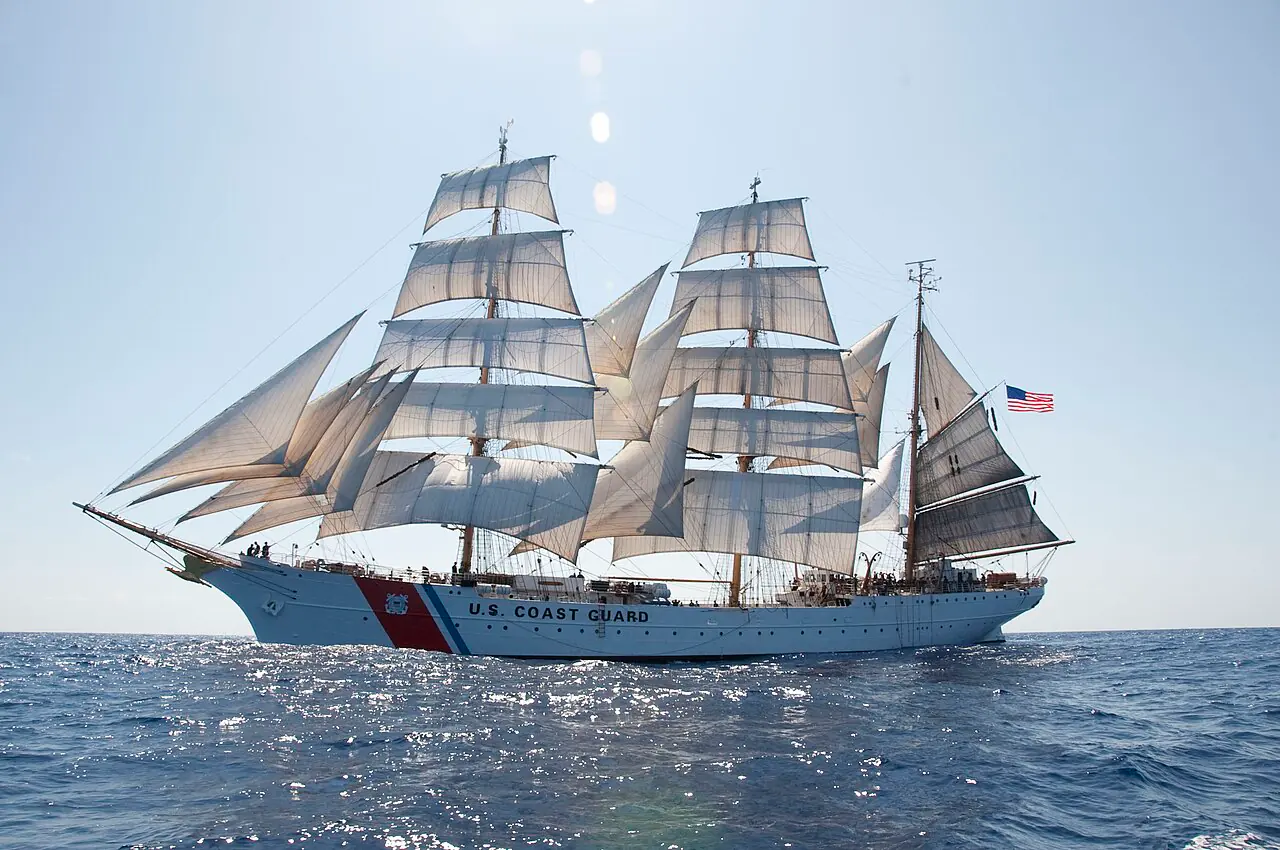
A sail training tall ship is a specialized maritime vessel configured to serve as a floating classroom. Unlike merchant vessels designed for cargo efficiency or naval vessels designed for combat, the primary “cargo” of a sail training ship is human experience. These ships are engineered to provide a controlled yet challenging environment where trainees—ranging from professional naval cadets to civilian youth—can learn the principles of seamanship, leadership, teamwork, and resilience.
While the term “tall ship” is often used colloquially to describe any large, traditionally rigged sailing vessel, in a technical and operational context, it refers to ships that utilize complex rigging systems (square, barque, or schooner rigs) to harness wind power. These vessels are distinct from modern yachts or commercial sailing vessels due to their scale, the complexity of their sail plans, and their adherence to specific educational missions. They are often categorized as Special Purpose Ships (SPS) under international maritime regulations, as their design and operation are centered around the unique needs of training personnel rather than transporting passengers or cargo.
2. Mission and Operations
The operational mission of a sail training tall ship is multifaceted, spanning educational, diplomatic, and cultural domains.
Educational and Character Development
The core mission is the transfer of maritime skills and the development of “soft skills.” Trainees engage in:
- Seamanship: Learning to handle lines (ropes), manage sails, navigate using both modern and traditional tools, and maintain the vessel.
- Leadership and Teamwork: The complex nature of sail handling requires synchronized movement and clear communication. Success on a tall ship is impossible without intense cooperation, making it an ideal environment for leadership training.
- Resilience: Operating a large vessel under wind power requires physical stamina and mental fortitude, especially during heavy weather or complex maneuvers.
Naval and Professional Training
Many tall ships are operated by national navies (e.g., the Amerigo Vespucci of Italy or the Cuauhtémoc of Mexico). For these organizations, the ship is a tool for:
- Officer Development: Training cadets in navigation, watchkeeping, and command.
- Tradition and Discipline: Instilling a sense of naval heritage and the discipline required in professional maritime service.
Diplomacy and Cultural Exchange
Tall ships are highly visible ambassadors. When participating in events like “Tall Ships’ Races” or visiting international ports, they serve as tools of “soft power” or naval diplomacy, fostering goodwill between nations and promoting maritime heritage to the public.
3. Hull, Size, and Design
The design of a sail training tall ship must balance historical authenticity with modern safety and stability requirements.
Hull Construction and Materials
- Steel: Most modern tall ships (built from the mid-20th century onwards) utilize steel hulls for durability, ease of maintenance, and structural integrity in heavy seas.
- Wood: Traditional or replica vessels may use wood (often oak or teak), which offers historical authenticity but requires significantly higher maintenance and presents different fire safety considerations.
- Composite/GRP: Some smaller training vessels or modern replicas may use glass-reinforced plastic (GRP) or advanced composites to reduce weight and improve corrosion resistance.
Typical Dimensions and Displacement
The size of these vessels varies widely depending on their mission:
- Small Training Schooners: Length 20–40 m; Displacement 50–200 tonnes.
- Medium Barques/Tall Ships: Length 40–70 m; Displacement 300–1,500 tonnes.
- Large Naval/Flagship Tall Ships: Length 80–115 m; Displacement 2,000–5,000+ tonnes.
Common Rigging Types and Ship Classifications
The “rig” refers to the configuration of masts, spars, and sails. Common types include:
- Full-Rigged Ship: Three or more masts, all carrying square sails. These are highly efficient for downwind sailing but require large crews to manage the yards.
- Barque: Three or more masts, where the foremast and mainmast are square-rigged, but the mizzen (aftermost) mast is fore-and-aft rigged. This is a common compromise for modern training ships, offering a balance of sail power and manageable crew requirements.
- Barquentine: Three or more masts, with only the foremast being square-rigged.
- Schooner: Two or more masts, primarily utilizing fore-and-aft sails. Schooners are easier to handle with smaller crews and perform better when sailing closer to the wind.
4. Propulsion and Engines
While wind is the primary source of propulsion, modern sail training ships are required to have reliable auxiliary propulsion for maneuvering in ports, navigating calm waters, or maintaining safety in heavy weather.
Wind Propulsion (Primary)
The efficiency of wind propulsion depends on the sail plan.
- Square Sails: Hung from horizontal spars called yards. They are optimized for “running” (sailing with the wind behind) and “reaching” (wind from the side).
- Fore-and-Aft Sails: Positioned along the centerline of the ship. These are more efficient for “tacking” (sailing toward the wind).
- Rigging Mechanics: The movement of sails is controlled via running rigging (halyards to raise sails, sheets to tension them, and braces to pivot the yards).
Auxiliary Propulsion (Secondary)
Most tall ships utilize one or more internal combustion engines:
- Diesel Engines: The industry standard due to reliability and power density.
- Diesel-Electric Propulsion: Found on high-end naval training ships (like the Amerigo Vespucci). Diesel generators produce electricity that powers electric propulsion motors, allowing for precise maneuvering and reduced vibration.
- Hybrid Systems: Modern designs are increasingly incorporating hybrid technologies to reduce carbon emissions and provide more efficient low-speed maneuvering.
5. Electrical System and Power
The electrical system on a tall ship must support two distinct categories of loads: Navigational/Safety loads (critical) and Hotel/Operational loads (non-critical).
Power Generation
- Auxiliary Generators: Diesel-driven generators (gensets) provide the bulk of the ship’s power. Most vessels carry at least two to ensure redundancy.
- Battery Banks: Used for emergency lighting, radio communications, and as a buffer for transient loads.
Load Distribution
| Load Category | Typical Equipment | Priority |
|---|---|---|
| Critical/Navigational | Radar, ECDIS, AIS, VHF Radio, Steering Gear, Emergency Lighting | High (Must be redundant) |
| Operational | Windlass, Deck Machinery, Bilge Pumps, Engine Controls | High |
| Hotel/Service | Galley equipment, Lighting, HVAC, Desalination plants, Laundry | Medium/Low |
6. Equipment and How It Is Used
The equipment on a tall ship is a blend of traditional heavy-duty maritime gear and modern electronics.
Deck Machinery
- Windlass / Capstan: Heavy-duty machinery used to raise and lower the anchor and handle heavy mooring lines.
- Blocks and Tackles: A system of pulleys used to multiply force, essential for managing the massive tension in the running rigging.
- Cleats and Bollards: Fixed points on deck used to secure lines.
Rigging Gear
- Standing Rigging: The fixed lines (often steel wire or high-tech synthetic rope) that support the masts, including shrouds (lateral support) and stays (fore-and-aft support).
- Running Rigging: The adjustable lines used to control sails, such as halyards (to hoist sails), sheets (to control sail angle), and braces (to rotate yards).
Safety Equipment
- Life Rafts & Life Jackets: Mandatory for all persons on board.
- Pyrotechnics: Flares and distress signals for emergency signaling.
- Emergency Steering: Backup systems to ensure control if the primary helm fails.
7. Navigation, Communications, and Safety
Modern sail training ships must adhere to strict international standards for navigation and communication.
Navigation Systems
- Electronic Navigation: Includes GPS/GNSS, Radar (for obstacle detection), ECDIS (Electronic Chart Display and Information System), and AIS (Automatic Identification System).
- Traditional Navigation: To fulfill the educational mission, trainees are often taught to use sextants for celestial navigation, magnetic compasses, and paper charts. This ensures they can maintain safety even in the event of total electronic failure.
Communication Systems
- VHF/UHF Radio: For short-range ship-to-ship and ship-to-shore communication.
- Satellite Communications (SatCom): For long-range communication when out of radio range.
- GMDSS (Global Maritime Distress and Safety System): A set of automated protocols and equipment designed to facilitate efficient communication during distress situations.
Safety Protocols
Safety is the paramount concern, especially with inexperienced trainees.
- Drills: Regular practice of “Man Overboard” (MOB), Fire, and Abandon Ship procedures.
- Watchkeeping: Strictly regulated shifts to ensure the vessel is never unobserved.
8. Crew and Organization
The organization of a tall ship is designed to balance professional command with educational interaction.
Command Structure
- Master (Captain): The ultimate authority on board, responsible for the safety of the ship, crew, and trainees.
- Officers: Include the Chief Officer (deck department), Second Officer (navigation), and Chief Engineer (engine department). They manage specific watches and departments.
- Professional Crew: Experienced sailors (bosuns, able seamen) who handle the technical aspects of the ship and mentor trainees.
The Training Component
- Instructors/Officers of Instruction: Specialized personnel focused solely on the educational curriculum.
- Trainees/Cadets: The students. They are organized into “watches” (teams) to ensure everyone participates in all aspects of ship operations.
9. Certificates and Training Requirements
Operating a sail training ship requires specific certifications for both the vessel and the personnel.
Vessel Certification
- SPS Code (Special Purpose Ships): Many tall ships are certified under the IMO’s Code of Safety for Special Purpose Ships. This recognizes that their mission (training) necessitates different configurations and safety considerations than standard passenger ships.
- Flag State Certification: The vessel must comply with the specific regulations of the nation under which it is registered (e.g., UK MCA, US Coast Guard).
Personnel Certification
- STCW (Standards of Training, Certification, and Watchkeeping): Professional crew must hold STCW certificates, which mandate minimum standards for competence in firefighting, personal survival, and basic seamanship.
- Sail Training International (STI) Logbooks: Many civilian training programs use STI-recommended logbooks to record a trainee’s progress and verify their competencies in specific sail-handling tasks.
10. Regulations, Class, and Inspections
Tall ships are subject to rigorous oversight to ensure they meet international safety and environmental standards.
Key Regulatory Frameworks
- IMO (International Maritime Organization): Sets the global standards for safety (SOLAS), pollution prevention (MARPOL), and training (STCW).
- SOLAS (Safety of Life at Sea): Covers construction, stability, machinery, and life-saving appliances.
- MARPOL (Marine Pollution): Regulates the discharge of oil, sewage, and garbage.
Classification Societies
To verify their structural integrity and technical compliance, many tall ships are “classed” by organizations such as:
- DNV (Det Norske Veritas)
- Lloyd’s Register (LR)
- American Bureau of Shipping (ABS)
These societies conduct periodic surveys and inspections to ensure the vessel remains fit for purpose.
11. Notable Shipyards, Operators, and Example Vessels
Notable Shipyards and Builders
Historically, specialized yards in Northern Europe (UK, Germany, Denmark, Poland) have been the primary builders of tall ships. Modern builds often utilize advanced steel fabrication techniques combined with traditional rigging craftsmanship.
Example Vessels
| Name | Type | Year Built | Length (m) | Rig Type | Operator |
|---|---|---|---|---|---|
| Amerigo Vespucci | Full-rigged ship | 1931 | 101 | Square | Italian Navy |
| Christian Radich | Barque | 1956 | ~60 | Barque | Norwegian |
| Georg Stage | Full-rigged ship | 1934 | 45 | Square | Georg Stage Foundation |
| Cuauhtémoc | Barque | 1952 | 70 | Barque | Mexican Navy |
| Alexander von Humboldt II | Barque | 2011 | 89 | Barque | German (Civilian) |
| Pride of Baltimore II | Sloop/Clipper | 1988 | 32 | Fore-and-aft | US (Educational) |
12. Environment and Future Outlook
The sail training tall ship stands at a unique intersection of historical tradition and modern environmental necessity.
Sustainability and Carbon Footprint
- Wind as Clean Energy: By utilizing wind as a primary propulsion source, tall ships have a significantly lower carbon footprint per nautical mile compared to conventional motor vessels.
- The Auxiliary Challenge: The reliance on diesel engines for maneuvering and safety remains a point of environmental concern.
Future Technologies
- Hybrid Propulsion: Increasing use of electric motors and battery storage to reduce diesel consumption.
- Advanced Materials: Use of lightweight, high-strength synthetic fibers for rigging and sails, reducing the physical load on the masts and improving efficiency.
- Hydrogen/Electric Power: Research into zero-emission propulsion systems offers a path toward truly sustainable, traditional sailing.
13. Facts, Records, and Common Misconceptions
Common Misconceptions
- “They are just museum ships”: While some tall ships are preserved for history, most active sail training ships are highly functional, modern-compliant vessels that undergo rigorous operational testing.
- “Sailing is easier than motoring”: In reality, managing a tall ship requires much more active engagement, teamwork, and technical knowledge than operating a modern motor vessel.
Historical Context
The modern sail training movement emerged largely in the post-WWII era as a way to preserve maritime skills and utilize the existing fleet of large sailing vessels for educational purposes rather than commercial shipping.
14. Glossary
- Barque: A vessel with three or more masts, square-rigged on the fore and main, and fore-and-aft rigged on the mizzen.
- Bowsprit: A spar extending forward from the ship’s bow.
- Braces: Lines used to rotate the yards.
- Halyard: A line used to hoist a sail or yard.
- Mizzen Mast: The aftermost mast on a vessel.
- Rigging: The system of ropes, cables, and chains used to support masts and control sails.
- Sheets: Lines used to tension the lower corners (clews) of a sail.
- Stays: Lines providing fore-and-aft support to the masts.
- Tacking: The maneuver of turning the bow of the ship through the wind.
- Yards: Horizontal spars from which square sails are hung.