1. What Is This Ship?
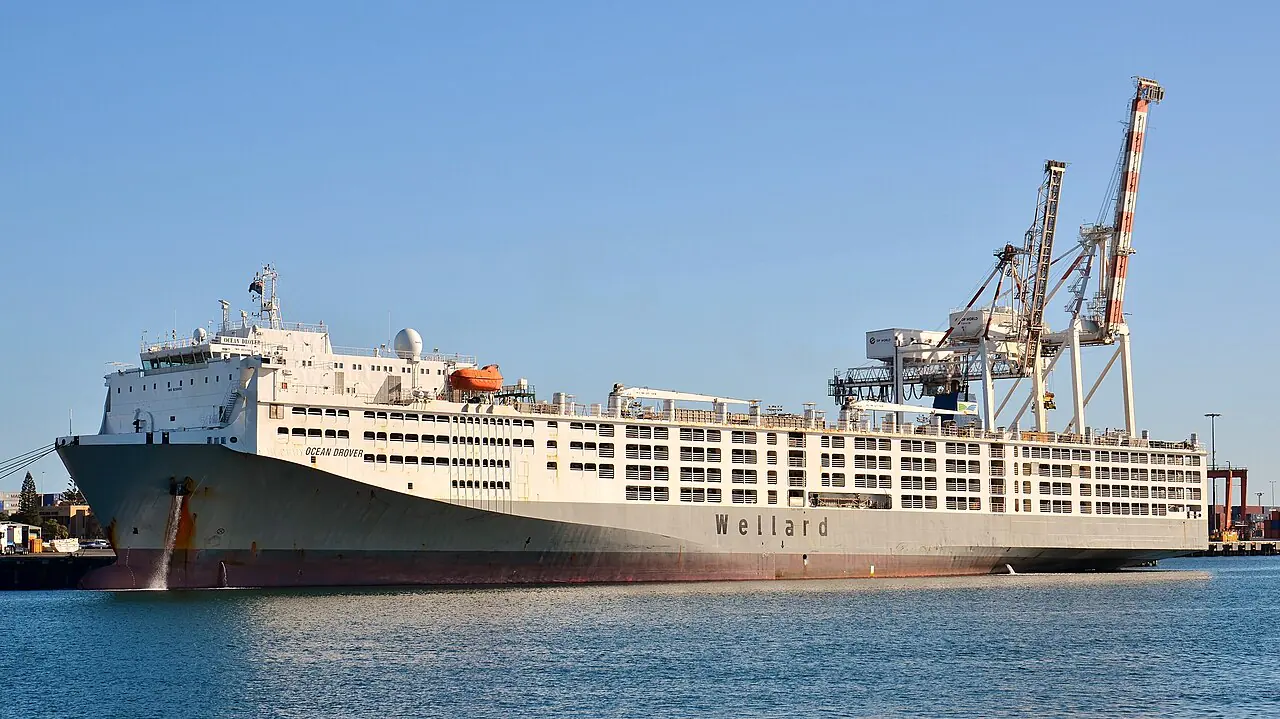
A livestock carrier is a specialized merchant vessel designed for the long-distance maritime transport of live animals, most commonly cattle, sheep, goats, and sometimes pigs or poultry. Unlike standard cargo ships that carry inanimate goods, livestock carriers must act as floating biological environments, providing continuous life-support services to thousands of sensitive living beings during voyages that can last from several days to several weeks.
The primary function of these vessels is to bridge the gap between animal production hubs (such as Australia, South America, or New Zealand) and consumer markets (such as the Middle East, North Africa, or Southeast Asia). As part of a broader maritime ecosystem, they complement other specialized carriers like container ships. Because the cargo is alive, the ship’s performance is measured not only by its ability to deliver freight safely and efficiently but also by its ability to maintain the health and welfare of the animals on board.
Livestock carriers fall into two main categories:
- Purpose-built vessels: Ships designed from the keel up specifically for the carriage of livestock. These typically offer superior ventilation, stability, and waste management systems.
- Converted vessels: Ships originally designed for other cargo types (such as general cargo, product tankers, or Ro-Ro vessels) that have been modified with additional decks, pens, and life-support equipment. A significant majority of the global livestock fleet consists of converted vessels, which presents unique challenges regarding stability, center of gravity, and structural integrity.
2. Mission and Operations
The mission of a livestock carrier is the safe, humane, and efficient transport of live animals across vast oceanic distances. This involves complex logistical coordination between farmers, exporters, shipping companies, and importers.
Core Operational Phases
- Loading: This is a critical period where animals are moved from land-based facilities into the ship’s pens. Proper loading density and handling are essential to minimize stress and injury.
- Transit: During the voyage, the ship must maintain a stable environment. The crew (including specialized livestock handlers and veterinarians) must manage feeding, watering, ventilation, and waste removal.
- Unloading: Upon arrival, animals are discharged into local facilities. The efficiency of this phase is vital to prevent “post-arrival” mortality due to exhaustion or stress.
The Complexity of the Cargo
Unlike a container, a cow or sheep is a “dynamic load.” It reacts to the vessel’s motion, which can lead to mass shifts within pens. Furthermore, the biological processes of the animals—breathing, sweating, and excreting—constantly alter the ship’s internal environment, increasing humidity, heat, and toxic gas levels (such as ammonia).
3. Hull, Size, and Design
The design of a livestock carrier is dictated by the need to maximize “animal capacity” while maintaining vessel stability and structural strength.
Deck Layout and Pen Arrangement
Animals are housed in specialized pens located within the ship’s holds or on additional upper decks. These pens are constructed from high-strength materials (typically steel) to withstand the impact of moving animals.
- Pen Design: Pens are designed to prevent animals from being crushed against the rails. A key engineering principle is that the mass of the animals is assumed to bunch up over approximately two-thirds of the pen area during heavy rolling.
- Floor Surfaces: Floors must provide adequate traction to prevent slipping and injury, often using textured steel or specialized coatings.
Stability and Center of Gravity (CoG)
Stability is the most significant design challenge for livestock carriers, particularly for converted vessels.
- The Weight of Life: Adding livestock decks increases the vessel’s windage (the surface area exposed to wind) and raises the Center of Gravity (CoG). This reduces the transverse stability of the ship.
- Dynamic Loading: As animals move in response to the ship’s rolling and pitching, they create a “time-varying dynamic component.” This can result in sudden, unexpected shifts in the vessel’s center of mass.
- The Danger of Long Penning: “Long penning”—the practice of placing animals in pens that are longer than the approved design—is strictly prohibited by maritime authorities (such as AMSA) because it compromises both the structural integrity of the rails and the overall stability of the vessel.
Structural Strength
The deck and pen structures must be exceptionally robust. Engineering standards typically require that the deck surfaces be capable of supporting at least 1.5 times the expected load per square meter based on the specific size and type of livestock being carried.
4. Propulsion and Engines
While the primary propulsion systems (main engines) of livestock carriers are often similar to those found on general cargo or bulk carrier ships, the auxiliary engine requirements are much higher.
Main Propulsion
Most modern livestock carriers utilize medium-speed diesel engines to drive a single or twin screw propeller. Given that these ships often operate on long-haul routes with relatively steady speeds, they are optimized for fuel efficiency at a moderate cruise speed (typically 12–16 knots).
Auxiliary Power Requirements
The “real” engine room of a livestock carrier is the one powering the life-support systems. A significant portion of the ship’s total power is dedicated to:
- Massive Ventilation Fans: To maintain air exchange rates.
- Water Generation: Powering Reverse Osmosis (RO) plants.
- Feeding Systems: Driving conveyors, augers, and silos.
- Climate Control: Running cooling systems in hot climates.
Because a failure in auxiliary power can lead to rapid animal mortality (due to heat stress or ammonia buildup), these ships require highly redundant electrical systems and reliable backup generators.
5. Electrical System and Power
The electrical architecture of a livestock carrier is designed for high reliability and massive continuous load.
Power Distribution
The electrical system must manage high-amperage loads across multiple decks. Distribution is often segmented to ensure that a failure in one livestock deck does not compromise the ventilation or watering systems on other decks.
Redundancy and Monitoring
Due to the high stakes of the cargo, electrical systems include:
- Redundant Supplies: Multiple paths for power to reach critical life-support equipment.
- Automated Monitoring: Integrated sensor networks that monitor temperature, humidity, and ammonia levels in real-time, often linked directly to the bridge for emergency alerts.
- Uninterruptible Power Supplies (UPS): For critical control systems and monitoring hardware to ensure data continuity during power transitions.
6. Equipment and How It Is Used
The specialized equipment on a livestock carrier is what differentiates it from every other class of cargo vessel.
Ventilation Systems
Ventilation is the single most critical life-support system. It must manage three primary factors: temperature, humidity, and gas concentration (ammonia and ).
| Parameter | Target/Requirement | Rationale |
|---|---|---|
| Air Changes per Hour (ACH) | 20 (if height 2.3m) 30 (if height 1.8m) |
To prevent the accumulation of heat and toxic gases. |
| Ammonia () | ppm | High levels cause respiratory distress and mucosal irritation. |
| Relative Humidity | Controlled (typically ) | High humidity prevents animals from losing heat via evaporation. |
Mechanics of Ventilation:
- Supply and Exhaust: Systems typically use a combination of mechanical supply (blowing fresh air in) and exhaust (sucking stale air out). Exhaust outlets must be positioned away from the crew’s accommodation to prevent odor and gas ingress.
- Distribution: Air is distributed through a network of ducts and louvers. In high-quality designs, “jetting” or localized air movement is used to prevent stagnant pockets of air.
Feeding and Watering Systems
Ensuring constant access to nutrition and hydration is essential for animal welfare.
- Fodder (Feed) Systems:
- Storage: Large silos, often located on the sundeck or in dedicated holds, store dry fodder (pellets or grain).
- Distribution: Automated systems use mechanical conveyors, augers, or gravity-fed pipes to move feed from the silos to the individual pens.
- Troughs: Each pen is equipped with troughs that are regularly cleaned to prevent mold and waste buildup.
- Watering Systems:
- Generation: Onboard freshwater is typically produced via Reverse Osmosis (RO) plants or evaporators.
- Distribution: Automated watering stations (nipple drinkers or troughs) are installed in each pen.
- Monitoring: Modern systems include water-level sensors to alert the crew of leaks or supply failures.
Waste and Effluent Management
The management of manure, urine, and bedding is a major operational challenge.
- Collection: Waste is collected through specialized drainage systems (scuppers) in the pen floors. This “slurry” is then directed toward sumps and storage tanks.
- Effluent Handling:
- In many older or less regulated vessels, untreated effluent has historically been discharged directly into the sea.
- Modern standards and increasing environmental regulations favor the use of dedicated holding tanks and treatment systems to minimize environmental impact.
- Bedding: Straw or sawdust is often used as bedding to absorb ammonia and moisture, which also provides cushioning against the vessel’s motion.
7. Navigation, Communications, and Safety
Navigation on a livestock carrier involves standard maritime practices supplemented by specialized monitoring for the cargo.
Cargo Monitoring
The bridge is often equipped with an “Environmental Control Center” that provides real-time data from the holds.
- Sensors: Temperature, humidity, , and ammonia sensors.
- Alarms: Automated alarms trigger if thresholds are exceeded, allowing the Master to take immediate corrective action (e.g., increasing ventilation or adjusting the ship’s heading to improve airflow).
Safety and Emergency Response
- Fire Safety: The presence of large amounts of dry fodder (highly flammable) and animals increases fire risk. Specialized fire-fighting appliances and structural fire protection are mandatory.
- Stability Management: Continuous monitoring of the vessel’s trim, list, and GM (metacentric height) is required to manage the dynamic effects of the livestock.
- Man Overboard/Rescue: Specialized protocols for managing animal movement during heavy weather or emergencies are included in the ship’s safety management system.
8. Crew and Organization
The crew of a livestock carrier is more diverse than that of a standard cargo ship, requiring a mix of maritime and biological expertise.
Maritime Crew
Standard deck, engine, and catering officers responsible for the navigation, propulsion, and overall safety of the vessel.
Livestock Specialists
- Veterinarians: Essential for monitoring animal health, managing disease outbreaks, and ensuring compliance with welfare standards.
- Livestock Handlers: Specialized crew members trained in the movement and care of animals, feeding, and pen maintenance.
- Animal Welfare Officers: In some modern operations, dedicated officers focus solely on the compliance of the vessel with international welfare standards.
9. Certificates and Training Requirements
Operating a livestock carrier requires a specific set of certifications that go beyond standard STCW (Standards of Training, Certification, and Watchkeeping) requirements.
Key Certificates
- ACCL (Australian Certificate for the Carriage of Livestock): A mandatory certificate for vessels carrying livestock from Australia, issued by AMSA. It is accompanied by a “Record of Equipment and Arrangements.”
- IMO/OIE Compliance: Documentation showing the vessel meets International Maritime Organization (IMO) and World Organisation for Animal Health (WOAH/OIE) standards.
- Class Certificates: Issued by societies like DNV, LR, or ABS, verifying the vessel’s structural and stability integrity for its specific cargo.
Training Requirements
- Veterinary Training: Specialized training for handlers regarding species-specific behavior and stress signs.
- Stability Training: Enhanced training for officers on the management of dynamic loads and the risks of livestock-induced shifting.
- Emergency Procedures: Training specifically for managing animal distress or mass mortality events.
10. Regulations, Class, and Inspections
Livestock carriers are among the most heavily regulated vessels in the world due to the ethical and commercial stakes.
Major Regulatory Bodies
- AMSA (Australia): Enforces Marine Order 43, which covers everything from ship structure and ventilation to mortality reporting.
- European Union (EU): Implements strict welfare standards for all vessels operating within or departing from EU waters, with a heavy focus on preventing heat stress.
- WOAH (World Organisation for Animal Health): Provides the global framework and standards for animal welfare.
Inspections and Compliance
- Pre-Loading Inspections: Authorities often inspect the vessel’s ventilation, water, and food supplies before animals are allowed to board.
- Onboard Audits: Random inspections by class societies or national maritime authorities to verify the “Record of Equipment” and check for practices like “long penning.”
- Mortality Reporting: Masters are legally obligated to report mortality levels to national authorities (like AMSA) to ensure transparency and identify systemic welfare issues.
11. Notable Shipyards, Operators, and Example Vessels
The livestock carrier market is dominated by a few large-scale operators and specialized shipyards.
Notable Operators
- Nuy Line: A major player in the Australian livestock export market.
- Seaspan: Involved in various specialized cargo segments.
- Dynamic for Shipping / Altair Shipping: Involved in global livestock trade.
Example Vessels & Case Studies
- Jawan Portland: Used as a notable case study in maritime training regarding the dangers of poor stability and the dynamic impact of livestock movement on vessel rolling.
- Purpose-built vs. Converted: Modern purpose-built vessels (often seen in newer fleets) are increasingly replacing the older, more problematic converted tankers and general cargo ships.
12. Environment and Future Outlook
The livestock carrier industry is facing increasing pressure to modernize and improve its environmental and ethical footprint.
Environmental Challenges
- Waste Management: There is a significant movement toward “zero-discharge” systems, where all manure and effluent are contained and treated rather than being washed overboard.
- Decarbonization: Like the rest of the shipping industry, livestock carriers are looking toward low-carbon fuels and more efficient propulsion to meet IMO greenhouse gas reduction targets.
Technological Trends
- Smart Holds: The integration of AI and IoT (Internet of Things) sensors to provide hyper-accurate, real-time monitoring of the microclimate in every pen.
- Automated Welfare Monitoring: Using computer vision to detect signs of animal distress, illness, or overcrowding automatically.
- Enhanced Stability Systems: Advanced ballast management and hull designs that better mitigate the risks of dynamic livestock loads.
13. Facts, Records, and Common Misconceptions
Common Misconceptions
- “They are just old tankers”: While many carriers were converted tankers, modern vessels are highly engineered, purpose-built machines with entirely different internal architectures.
- “Animals are lashed down”: Unlike containers, animals cannot be lashed. Their stability must be managed through pen design and vessel handling.
Key Facts
- 94% of EU-approved vessels are currently converted, highlighting the industry’s reliance on repurposed hulls.
- Ammonia levels above 25 ppm are considered a significant health risk for both animals and crew.
14. Glossary
- ACH (Air Changes per Hour): The number of times the entire volume of air in a space is replaced in one hour.
- ACCL (Australian Certificate for the Carriage of Livestock): A mandatory Australian certification for livestock vessels.
- Ammonia (): A toxic gas produced by animal excreta.
- Bedding: Material (like straw) placed on pen floors to absorb moisture and provide comfort.
- Center of Gravity (CoG): The point through which the force of gravity acts on the vessel.
- Dynamic Load: A load that changes over time, such as animals moving in response to waves.
- Effluent: Liquid waste or sewage discharged from the vessel.
- Fodder: Dried food, such as grain or hay, used to feed livestock.
- Long Penning: The prohibited practice of using pens that exceed approved dimensions.
- Marine Order 43: The primary Australian regulation governing livestock carriage.
- Slurry: A semi-liquid mixture of manure, urine, and bedding.
- Stability: The ability of a vessel to return to an upright position after being tilted.
- Transverse Stability: The stability of a vessel against rolling (side-to-side motion).
- Windage: The effect of wind on the vessel’s surface area.
15. Sources
- Australian Maritime Safety Authority (AMSA) - Transporting Livestock
- Marine Order 43 (Cargo and cargo handling — livestock)
- World Organisation for Animal Health (WOAH)
- Meat & Livestock Australia (MLA) - Ventilation Efficacy Research
- Marine Insight - Understanding Livestock Carriers
- Animal Welfare Foundation - Live Exports by Sea
- Turk Loydu - Ventilation Standards
- Cambridge Core - Environmental parameters in livestock transporters