1. What Is This Ship?
Inland waterway transport (IWT) represents a critical, high-efficiency segment of the global logistics chain, specializing in the movement of massive quantities of bulk, liquid, and containerized cargo through river and canal networks. Unlike ocean-going vessels designed for the unpredictable and high-energy environment of the open sea, inland vessels—including barges, self-propelled motor vessels, and push-tugs—are engineered for the confined, shallow, and often highly regulated environments of inland rivers and canals.
The primary distinction of inland vessels lies in their hull geometry and propulsion requirements. Most inland vessels feature extremely shallow drafts and flat-bottomed hulls to navigate varying water levels and minimize riverbed impact. They are categorized by their method of propulsion and movement:
- Barges (Unpowered): Non-self-propelled vessels that must be moved by a tug or towboat. They are the most cost-effective method for large-scale bulk transport.
- Self-Propelled Inland Vessels: Ships equipped with their own engines and propulsion systems, capable of navigating independently. These are common for container and specialized liquid cargo.
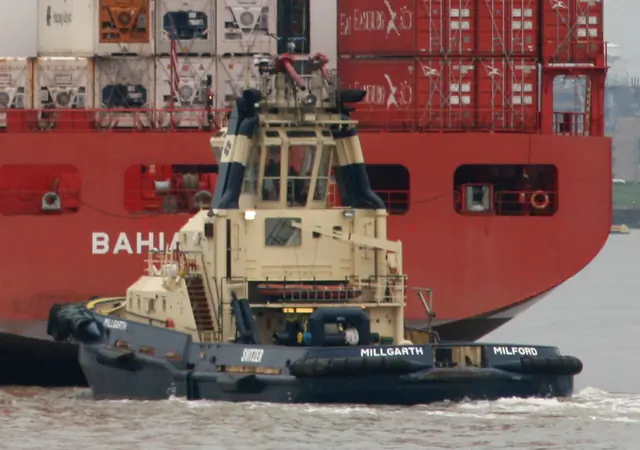
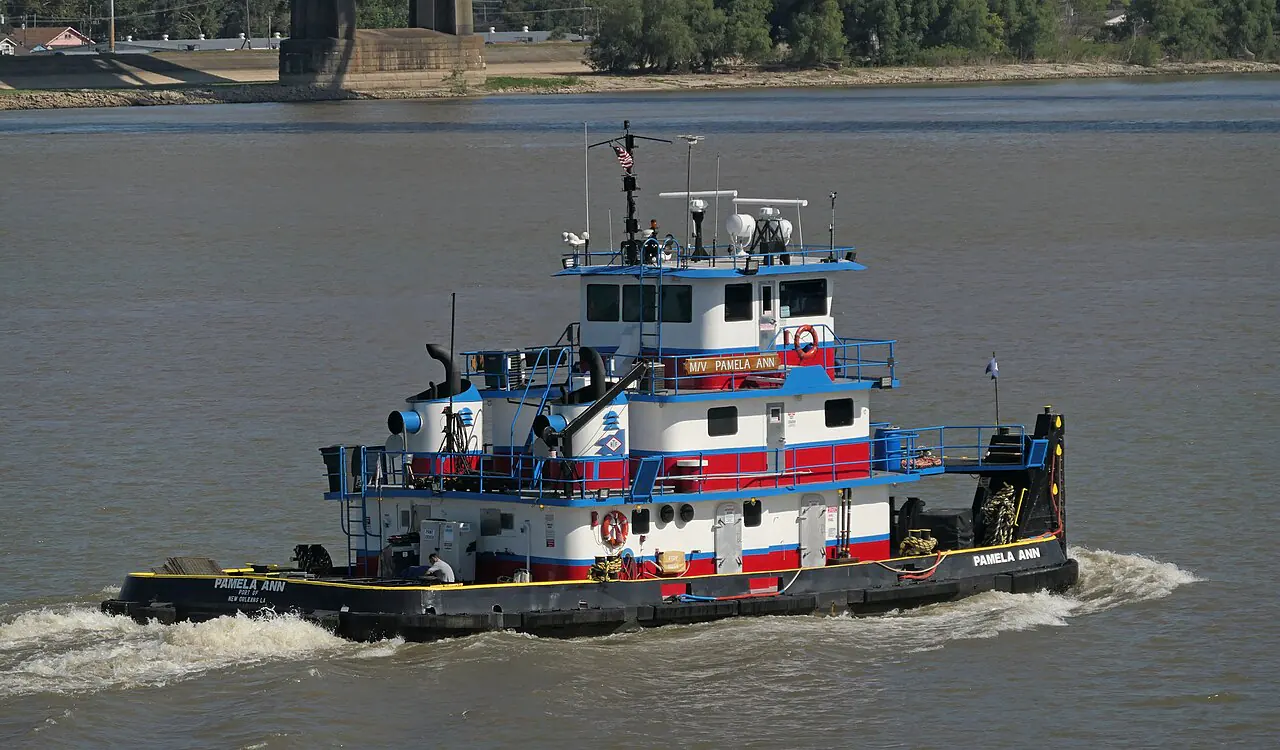
- Push-Tugs and Pushboats: Specialized vessels designed to “push” a convoy of barges from the stern, providing superior maneuverability in narrow channels compared to traditional “towing” methods.
These vessels serve as the arteries of major economic regions, traversing systems such as the Rhine in Europe, the Mississippi in the United States, the Danube in Central Europe, and the Yangtze in China.
2. Mission and Operations
The mission of inland barge and pushboat operations is to provide a low-cost, high-volume, and environmentally efficient alternative to road and rail transport. Their operations are dictated by the specific requirements of the cargo and the hydrological constraints of the waterway.
Cargo Specialization
Inland vessels are highly specialized based on the cargo they carry:
- Dry Bulk: Transporting sand, gravel, coal, ore, and grain. These often use “hopper barges” with open or covered holds, similar to the specialized holds found on bulk-carrier.md.
- Liquid Bulk: Transporting petroleum, chemicals, and liquefied gases. These are highly regulated under frameworks like the ADN.
- Containerized Cargo: Moving standard ISO containers via specialized container barges, bridging the gap between deep-sea shipping (see container-ship.md) and inland hinterlands.
- General Cargo: Smaller, versatile vessels carrying diverse goods, often requiring onboard cranes.
Operational Modes
Operationally, inland shipping relies on two main configurations:
- Towing (Pulling): A tugboat uses a towline to pull one or more barges behind it. While common in certain parts of the Mississippi, it offers less control in tight bends.
- Pushing: A push-tug is coupled to the stern of a barge or a convoy of barges. This “pushing” configuration allows for much tighter maneuvering and much more precise control, which is essential in the complex lock systems and narrow bends of European rivers like the Rhine.
Economic and Environmental Impact
Inland shipping offers unparalleled economies of scale. A single barge convoy can replace dozens, if not hundreds, of heavy trucks, significantly reducing carbon emissions per ton-mile and alleviating road congestion. However, operations are highly sensitive to water levels; droughts can restrict draft and tonnage, while floods can close certain waterways entirely.
3. Hull, Size, and Design
The design of an inland vessel is a compromise between maximum cargo capacity and the physical constraints of the waterway (draft, air draft, and beam).
Hull Geometry
The most defining feature of an inland barge is its flat-bottomed hull. This design maximizes the internal volume for cargo while allowing the vessel to operate in extremely shallow waters. To manage the “squat effect” (the tendency of a vessel to sink deeper into the water when moving), hull shapes are optimized for low-speed stability and minimal displacement of water in narrow channels.
Vessel Classification and Dimensions
Vessel dimensions are standardized to ensure interoperability across different river systems and canal networks.
European CEMT and Rhine Classes
In Europe, the CEMT (European Conference of Ministers of Transport) classes define the standard dimensions for inland waterways. On the Rhine, these are further refined into specific classes.
| Class Type | Typical Length (m) | Typical Beam (m) | Typical Draft (m) | Approx. Tonnage (t) |
|---|---|---|---|---|
| CEMT Class I | < 40 | 5–7 | 1.5–2.0 | < 400 |
| CEMT Class II (Kempenaar) | 50–55 | 8–9 | 2.5–2.6 | 400–650 |
| CEMT Class III (Hagenaar) | 55–70 | 9.0–9.5 | 2.6–2.7 | 650–800 |
| CEMT Class IVa (Rijn-Herne) | 80–105 | 9.5 | 2.9 | 1,250–1,750 |
| CEMT Class Va (Large Rhine) | 110 | 11.4 | 3.5 | 2,000–3,300 |
| CEMT Class Vb (Push Convoy) | 170–190 | 11.4 | 3.5–4.0 | 3,950–7,000 |
Mississippi River Dimensions
In the United States, Mississippi River barge dimensions differ significantly, often measured in feet:
- Standard Grain Barge: Typically 195–200 ft (60m) long by 35 ft (10.6m) wide.
- Draft: Typically around 9 ft (2.7m) when loaded.
- Tows: On the Mississippi, a common configuration is a “tow” consisting of 15 barges, arranged in a fleet 3 abreast and 5 long, pushed by a powerful towboat.
Air Draft
“Air draft” refers to the distance from the waterline to the highest point of the vessel. This is a critical constraint for navigating under bridges and through lock gates. Many inland vessels are designed with collapsible masts or telescopic structures to manage varying air drafts.
4. Propulsion and Engines
Propulsion for inland vessels must provide high torque at low speeds and exceptional maneuverability in confined spaces.
Engine Types
Most modern inland vessels are powered by heavy-duty marine diesel engines. However, the industry is seeing a significant shift toward:
- Hybrid-Electric Systems: Combining diesel generators with battery banks to optimize fuel consumption during low-load operations and reduce emissions in port areas.
- LNG (Liquefied Natural Gas): Used to reduce sulfur and nitrogen oxide emissions, particularly in European waterways.
- Full Electric: Emerging for smaller, short-haul river vessels and canal shuttles.
Propeller Technology and the Kort Nozzle
Because inland vessels operate in shallow water and require high thrust for pushing/towing, propeller design is specialized.
The Kort Nozzle (or propulsion nozzle) is a standard feature for many inland vessels. It consists of a ring-shaped duct surrounding the propeller. The nozzle provides several key advantages:
- Increased Thrust: The nozzle accelerates the water flow through the propeller, increasing the mass of water being moved and thus increasing thrust.
- Reduced Slip: It helps the propeller operate more efficiently by controlling the flow of water, reducing “slip” (the difference between the theoretical speed of the propeller and its actual speed through the water).
- Improved Efficiency: The airfoil-like cross-section of the nozzle ring optimizes the pressure distribution around the propeller.
Shallow-Draft Propulsion
In extremely shallow waters (less than 2 meters), traditional propellers can suffer from cavitation, debris ingestion, or damage. Advanced systems, such as those developed by Veth Propulsion, utilize:
- Integrated Nacelles: The thruster and nozzle are fully integrated into the stern of the vessel, often sitting “within the baseline” to minimize draft.
- Specialized Nozzle Design: Closing the gap between the nozzle and the hull to maximize the effective diameter of the propeller and increase propulsion efficiency.
5. Electrical System and Power
The electrical systems on inland vessels have evolved from simple auxiliary power for lighting and navigation to complex grids managing automation, propulsion, and cargo control.
Power Generation and Distribution
- Main Generators: Driven by the main diesel engines or dedicated auxiliary diesel generators (gensets).
- Battery Buffers: In hybrid vessels, large lithium-ion battery banks act as buffers, smoothing out the power demand and allowing engines to run at their most efficient constant load.
- DC Grids: Many modern hybrid vessels utilize DC (Direct Current) electrical grids, which are more efficient for integrating various energy sources (diesel, battery, solar) and managing variable loads.
Shore Power (Cold Ironing)
To reduce local air pollution and noise in urban river ports, many inland vessels are being equipped with “shore power” connections. This allows the vessel to shut down its diesel generators while at berth and instead draw electricity directly from the land-based grid.
6. Equipment and How It Is Used
The equipment onboard an inland vessel is specialized for cargo integrity and the unique physics of river maneuvering.
Cargo Handling Equipment
- Liquid Cargo Systems: For tank barges, this includes high-capacity centrifugal or screw pumps, complex manifold systems for connecting to shore terminals, and sophisticated tank gauging systems.
- Dry Bulk Equipment: Hopper barges may use grab cranes or conveyors. Some self-propelled vessels feature integrated cranes for smaller-scale loading/unloading.
- Container Handling: Specialized twist-lock systems and cell guides for secure container stacking.
Pushing and Towing Gear
The interface between a push-tug and its barge convoy is critical for safety and efficiency.
- Pushing Arches (Knees): Heavy-duty steel structures on the bow of a push-tug that provide a stable contact point with the stern of the barge.
- Towing Winches: High-capacity, automated winches used for towing operations, capable of maintaining constant tension on the towline.
- Connection Mechanisms: Specialized pins and locking devices that securely couple the tug to the barge convoy.
Ballast and Stability Systems
Given the shallow-draft nature of these vessels, precise ballast control is vital. Automated ballast systems manage water tanks to:
- Maintain an even keel.
- Adjust trim (fore/aft balance) to optimize propeller immersion.
- Correct list (side-to-side tilt) caused by uneven cargo loading.
7. Navigation, Communications, and Safety
Navigation in narrow, busy river channels requires a high degree of situational awareness and specialized technology.
Navigation Systems
- Radar: Both X-band (for high resolution/short range) and S-band (for better performance in rain/fog) radars are used to detect other vessels, bridge pilings, and riverbanks.
- AIS (Automatic Identification System): Mandatory for most inland vessels, AIS broadcasts the vessel’s position, speed, and identity, allowing for collision avoidance and traffic management.
- ECDIS (Electronic Chart Display and Information System): Digital charts specifically tailored for inland waterways, including depth contours, buoys, and river-specific regulations.
- Echo Sounders: Critical for monitoring real-time depth. In many river sections, the difference between the vessel’s draft and the riverbed is measured in centimeters.
Communications
- VHF Radio: Used for ship-to-ship and ship-to-shore communication. Inland vessels use specific VHF channels designated for river traffic and port authorities.
- River Pilotage and VTS: Many major rivers are monitored by Vessel Traffic Services (VTS), similar to air traffic control, providing guidance and traffic management via radio and radar.
Safety Equipment
- Fire Suppression: Especially critical for ADN-compliant tank vessels, featuring foam systems, CO2-based suppression, and specialized fire detection.
- Bilge and Pumping Systems: High-capacity pumps to manage any water ingress and maintain buoyancy.
- Stability Monitoring: Real-time sensors to monitor the vessel’s center of gravity and prevent capsizing due to cargo shifts or improper ballasting.
8. Crew and Organization
Inland vessels typically operate with much smaller crews than ocean-going ships, emphasizing the need for multi-functional training.
Typical Crew Roles
- Master (Captain): Responsible for the entire vessel, cargo, crew, and safe navigation. Often highly experienced in the specific river systems they operate in.
- Mate (Officer): Assists the Master with navigation, watchkeeping, and cargo operations.
- Engineer: Responsible for the maintenance and operation of the main engines, generators, and auxiliary systems.
- Deckhand/AB (Able Seaman): Handles mooring, cargo gear, and general maintenance.
Crewing Trends
The industry is seeing a move toward highly automated vessels, which may eventually lead to reduced crew sizes or even remote operation from shore-based centers. However, the complexity of river maneuvering currently ensures the necessity of skilled, on-board personnel.
9. Certificates and Training Requirements
Operating an inland vessel requires specific certification that differs from sea-going maritime licenses.
Certifications
- Inland Navigation Certificate: A license issued by national or regional authorities (e.g., the CCNR or national maritime agencies) certifying the operator’s competence in inland navigation.
- ADN Certificate of Approval: Mandatory for any vessel carrying dangerous goods. This certificate verifies that the vessel’s construction and equipment meet the strict safety standards of the ADN regulations.
- Specialized Endorsements: For operating specific types of vessels, such as large push-tugs or highly specialized tank barges.
Training
Training includes intensive courses on:
- River Hydrology: Understanding currents, eddies, and the impact of water levels.
- Maneuvering in Confined Spaces: Using rudders, thrusters, and tugs in narrow channels.
- Cargo-Specific Safety: Handling dangerous goods, grain stability, or liquid cargo protocols.
10. Regulations, Class, and Inspections
The regulatory landscape for inland shipping is a blend of international agreements and national/regional laws.
Key Regulatory Frameworks
- ADN (European Agreement concerning the International Carriage of Dangerous Goods by Inland Waterways): The gold standard for the safe transport of dangerous goods on European rivers. It dictates everything from vessel construction to crew training.
- CCNR (Central Commission for the Navigation of the Rhine): One of the oldest international organizations, responsible for regulating navigation on the Rhine and ensuring uniform rules.
- UNECE: Provides the overarching framework for many international agreements, including the ADN.
Classification Societies
While often associated with ocean shipping, classification societies like DNV, Bureau Veritas (BV), and American Bureau of Shipping (ABS) play a crucial role in verifying the structural integrity and mechanical reliability of inland vessels, especially for specialized cargo like chemicals or LNG.
Inspections
Regular inspections are mandatory to ensure compliance:
- Structural Inspections: Checking the hull, decks, and bulkheads for fatigue or damage.
- Machinery Inspections: Ensuring engines, pumps, and electrical systems are operational.
- Safety Equipment Inspections: Verifying the readiness of fire suppression, life-saving appliances, and navigation gear.
11. Notable Shipyards, Operators, and Example Vessels
The inland vessel industry is supported by specialized shipyards and large-scale logistics operators.
Major Shipyards
- Europe: Germany and the Netherlands are leaders in inland vessel construction, with shipyards specializing in high-tech Rhine-class motor vessels and specialized push-tugs (e.g., Damen Marine Components, though they are a major global component/vessel provider).
- United States: Shipyards along the Mississippi and Ohio River systems specialize in the production of standard barge fleets and powerful towboats.
Key Operators
Major logistics companies operate massive fleets of barges and tugs, providing door-to-door transport from inland manufacturing hubs to coastal ports. Examples include large European river shipping companies and major US barge operators.
Example Vessel Types
- The Rhine “Europa” Class: A standard for large, self-propelled container and bulk carriers on the Rhine.
- Mississippi “Towboat”: The powerful diesel-driven workhorse that pushes massive barge fleets through the US heartland.
- ADN Tank Barges: Highly specialized, double-hulled vessels used for the safe transport of chemicals across European waterways.
12. Environment and Future Outlook
The inland waterway sector is at a technological crossroads, driven by decarbonization mandates and the digital revolution.
Decarbonization and the “Green Deal”
In Europe, the “Green Deal” and related regulations are pushing the industry toward zero-emission operations. This is driving:
- Electrification: Increased adoption of hybrid and full-electric propulsion for short-haul routes.
- Alternative Fuels: The rise of LNG and the exploration of hydrogen and ammonia as future fuel sources.
Automation and Digitalization
The move toward Autonomous and Uncrewed Vessels is a major research area. While full autonomy in complex river environments is still years away, digitalization is already transforming operations through:
- Smart Navigation: AI-assisted collision avoidance and optimized routing.
- Remote Monitoring: Using IoT (Internet of Things) sensors to monitor vessel health and cargo status in real-time from shore.
Climate Change Resilience
Climate change poses a significant threat to IWT via extreme weather. Increasing frequencies of droughts (leading to low water levels) and floods (causing waterway closures) are forcing the industry to adapt through more versatile vessel designs and more resilient logistics planning.
13. Facts, Records, and Common Misconceptions
Facts
- Scale: A single large barge convoy can carry the equivalent of over 100 semi-truck loads.
- Efficiency: Inland shipping is significantly more fuel-efficient per ton-mile than road or rail transport.
- Regulation: The ADN is one of the most comprehensive safety frameworks for any mode of transport.
Common Misconceptions
- “Barges are just floating boxes”: In reality, they are highly engineered vessels with sophisticated stability, propulsion, and cargo systems.
- “River navigation is easy”: Navigating a 190m push-convoy through a narrow, winding river bend requires immense skill and specialized equipment.
- “Inland shipping is an outdated industry”: On the contrary, it is undergoing a rapid technological transformation to meet modern environmental and digital standards.
14. Glossary
- ADN: European Agreement concerning the International Carriage of Dangerous Goods by Inland Waterways.
- Air Draft: The distance from the waterline to the highest point of the vessel.
- Barge: A non-self-propelled vessel used for carrying cargo.
- CEMT Class: A standardized classification system for inland waterway vessels in Europe.
- Draft: The vertical distance between the waterline and the bottom of the hull.
- Flanking Rudder: A secondary rudder used to enhance maneuvering, especially when sailing backwards.
- Kort Nozzle: A ring-shaped duct around a propeller to increase thrust and efficiency.
- Push-Tug: A specialized vessel designed to push a barge or convoy from the stern.
- Shallow Draft: A hull design that allows a vessel to operate in very shallow water.
- Towboat: A vessel used to pull or push a tow of barges.