Historic Maritime CasualtiesHistoriske forlis og ulykker
Engineering and human-factor forensic analyses from Titanic and Estonia to Exxon Valdez, El Faro, Costa Concordia, and Alexander L. Kielland.Tekniske og menneskelige granskinger fra Titanic og Estonia til Exxon Valdez, El Faro og Alexander L. Kielland.
- articlesartikler
- 16
- wordsord
- 39,042
16 / 16 articlesartikler
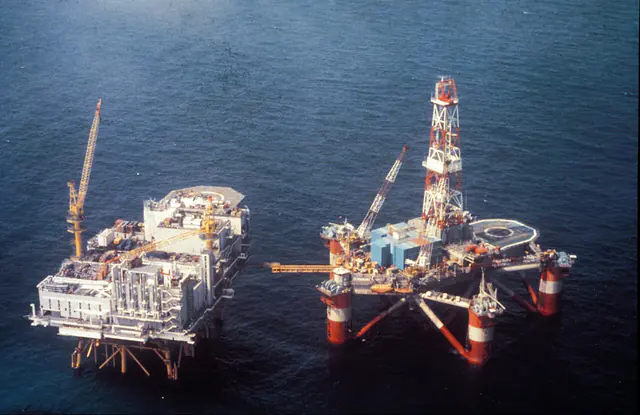
Alexander L. Kielland Capsize
A catastrophic structural failure caused by fatigue in a bracing member led to the capsize of the Alexander L. Kielland rig, resulting in the loss of 123 lives. The incident highlighted critical deficiencies in welding quality, material selection, and lifeboat release mechanisms.
13 min readmin lesing · 2,738 wordsord
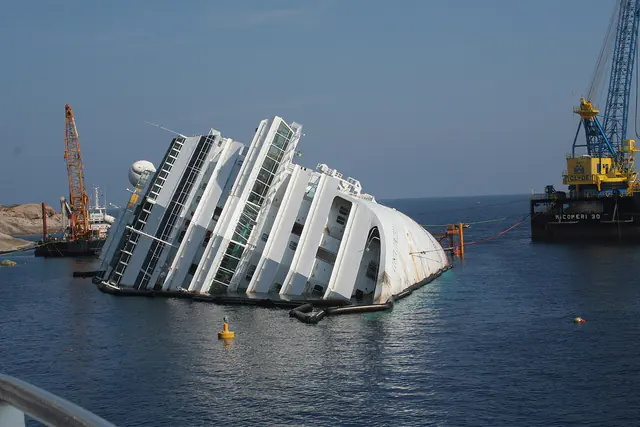
Costa Concordia Grounding and Capsizing
The Costa Concordia ran aground on the rocks of Isola del Giglio during an unauthorized sail-by maneuver, leading to a massive hull breach, rapid flooding, and a catastrophic capsize. The incident resulted in 32 fatalities and highlighted critical failures in bridge management, emergency response, and vessel stability.
11 min readmin lesing · 2,351 wordsord
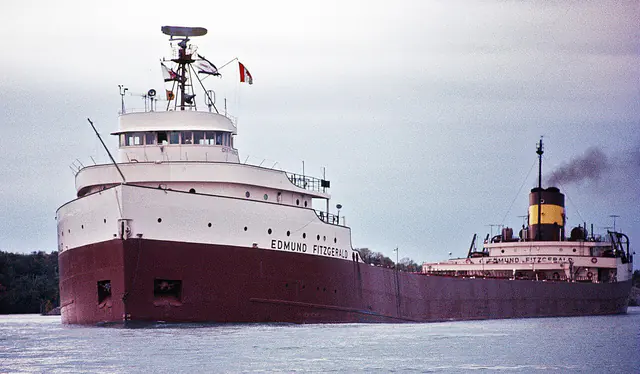
Forensic Accident Report: Loss of the SS Edmund Fitzgerald
The SS Edmund Fitzgerald sank on November 10, 1975, during a severe storm on Lake Superior. The official NTSB investigation concluded that the vessel suffered sudden, massive flooding of the cargo holds due to the collapse of hatch covers under the weight of heavy boarding seas, following a reduction in freeboard and increased list caused by earlier flooding of ballast tanks and tunnels.
8 min readmin lesing · 1,715 wordsord
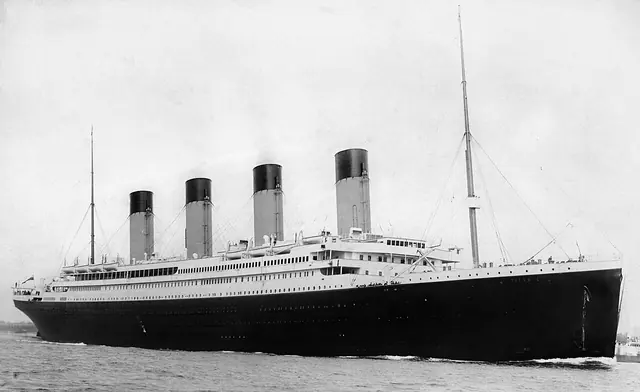
Forensic Accident Report: Sinking of the RMS Titanic
The RMS Titanic, a White Star Line ocean liner, foundered in the North Atlantic following a collision with an iceberg. The disaster resulted in the deaths of approximately 1,500 people, primarily due to insufficient lifeboat capacity and extreme water temperatures.
15 min readmin lesing · 3,083 wordsord
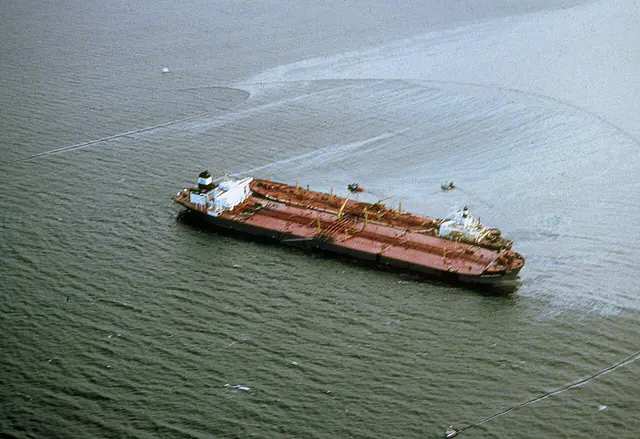
Forensic Accident Report: The Grounding of the MV Exxon Valdez
On March 24, 1989, the supertanker Exxon Valdez ran aground on Bligh Reef in Prince William Sound, Alaska, causing one of the most devastating environmental disasters in maritime history. The accident was primarily caused by human error, including officer fatigue and master impairment, exacerbated by systemic organizational failures and technical malfunctions.
11 min readmin lesing · 2,416 wordsord
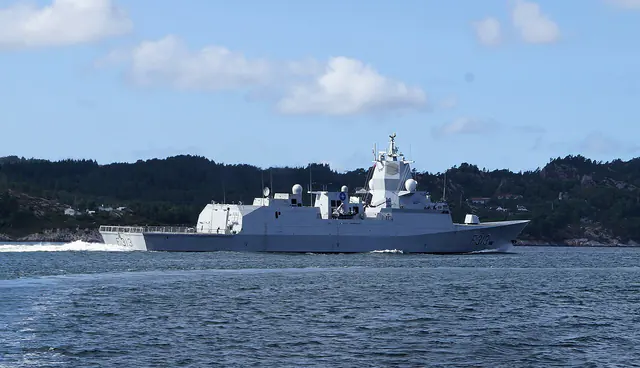
KNM Helge Ingstad (F272) Collision
A collision between the Norwegian frigate HNoMS Helge Ingstad and the oil tanker Sola TS in the Hjeltefjorden resulted in the loss of the frigate. The accident was caused by a combination of bridge watchkeeping failures, inadequate situational awareness, and technical issues including water ingress via hollow propeller shafts.
11 min readmin lesing · 2,248 wordsord
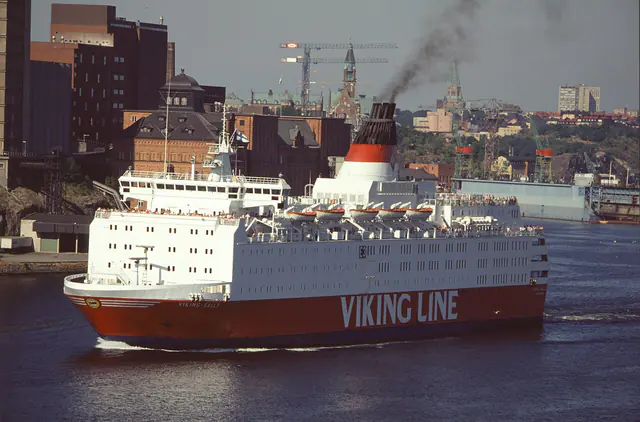
MS Estonia: A Forensic Analysis of the 1994 Baltic Sea Disaster
The sinking of the MS Estonia on September 28, 1994, remains one of the deadliest maritime disasters in European peacetime history. A catastrophic failure of the bow visor locking mechanism led to rapid flooding of the car deck, causing the vessel to capsize within approximately one hour.
9 min readmin lesing · 1,826 wordsord
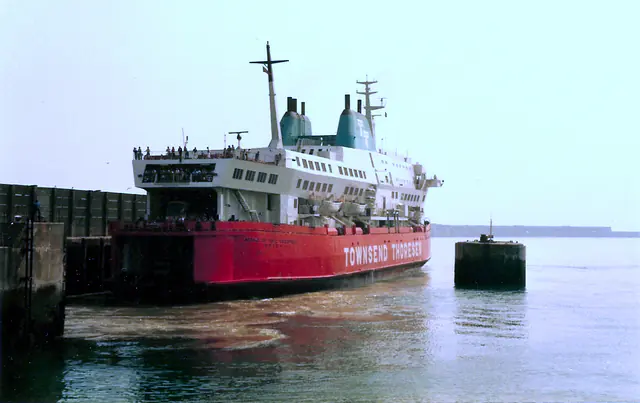
MS Herald of Free Enterprise: Forensic Accident Report
A sudden capsize of the Ro-Ro ferry MS Herald of Free Enterprise occurred moments after departure from Zeebrugge due to water ingress through open bow doors. The incident resulted in the loss of 193 lives and became a catalyst for the modern IMO ISM Code.
11 min readmin lesing · 2,409 wordsord
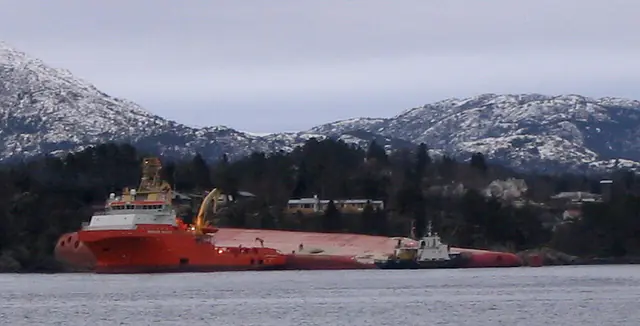
MS Rocknes Capsize: A Forensic Analysis of Stability Failure and Operational Oversight
On January 19, 2004, the MS Rocknes, a specialized rock-dumping vessel, capsized in the Vatlestraumen passage near Bergen, Norway, resulting in 18 fatalities. The incident was caused by a combination of grounding on an uncharted reef, rapid asymmetric flooding, and severe stability deficiencies stemming from improper cargo loading and trimming.
12 min readmin lesing · 2,448 wordsord
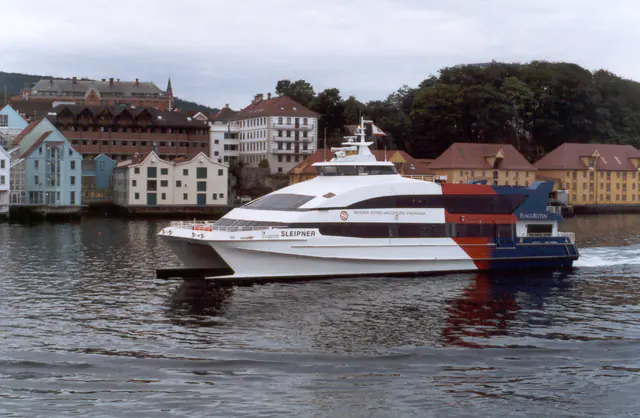
MS Sleipner Sinking: A Forensic Analysis of a High-Speed Catamaran Disaster
On 26 November 1999, the high-speed catamaran MS Sleipner ran aground on the Store Bloksen rocks near Ryvarden Lighthouse, Norway, during a period of heavy weather. The vessel struck the rocks at high speed, resulting in catastrophic hull damage and sinking within 45 minutes, leading to 16 fatalities.
16 min readmin lesing · 3,326 wordsord
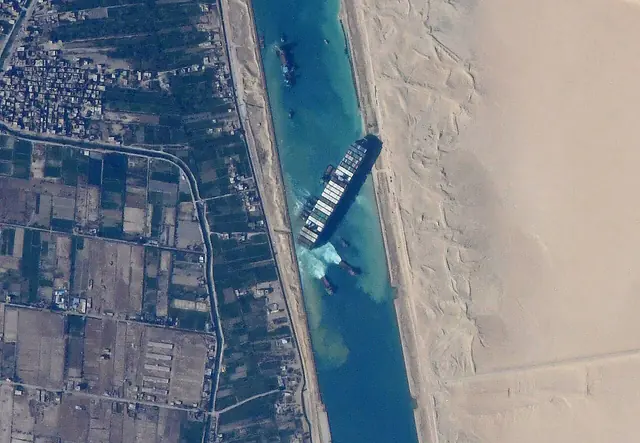
MV Ever Given Grounding: A Forensic Analysis of a Global Maritime Disruption
On March 23, 2021, the 400-meter ULCV MV Ever Given ran aground in a narrow section of the Suez Canal, blocking one of the world's most vital maritime chokepoints for six days. The incident was driven by a combination of high windage from container stacks, extreme weather (sandstorm), hydrodynamic bank effects, and excessive vessel speed, resulting in a massive global supply chain disruption and significant legal and economic repercussions.
8 min readmin lesing · 1,743 wordsord
MV Tricolor Sinking
The Norwegian-flagged car carrier MV Tricolor collided with the container ship Kariba in thick fog in the Dover Strait on 14 December 2002. The vessel capsized and sank within minutes, taking a massive cargo of luxury automobiles to the seabed. The wreck became a significant navigational hazard, causing two subsequent collisions before its successful removal via a landmark diamond-wire salvage operation.
11 min readmin lesing · 2,244 wordsord
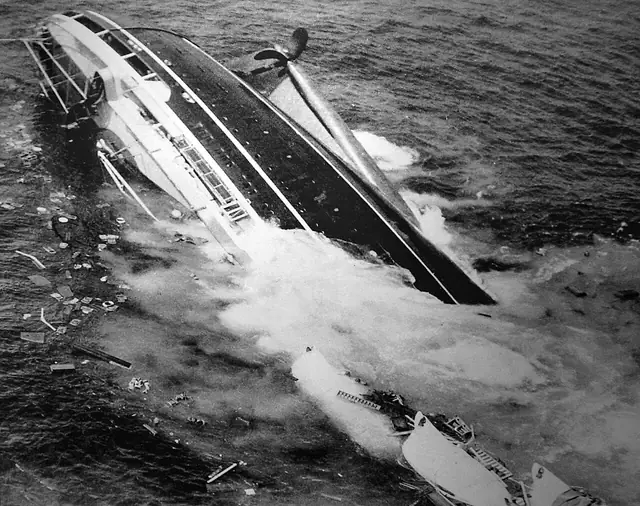
SS Andrea Doria - MS Stockholm Collision
A major maritime collision in dense fog between the Italian luxury liner SS Andrea Doria and the Swedish motorship MS Stockholm. The collision caused a severe starboard list, preventing the deployment of many lifeboats and resulting in significant loss of life and the eventual sinking of the Andrea Doria.
12 min readmin lesing · 2,467 wordsord
SS El Faro (2015): Foundering in Hurricane Joaquin
The SS El Faro, a US-flagged Ro/Con cargo ship, foundered and sank during Hurricane Joaquin on October 1, 2015. The incident resulted in the loss of all 33 crew members on board, stemming from a combination of navigational errors, weather forecasting failures, and catastrophic mechanical and stability loss due to flooding.
14 min readmin lesing · 3,050 wordsord
The Capsize of the Bourbon Dolphin: A Forensic Analysis of Stability Failure and Systemic Risk
On April 12, 2007, the AHTS Bourbon Dolphin capsized during a high-tension anchor-handling operation. The accident, which resulted in eight fatalities, was caused by a complex interplay of design weaknesses, improper stability management, and systemic failures in safety communication and procedures.
14 min readmin lesing · 2,882 wordsord
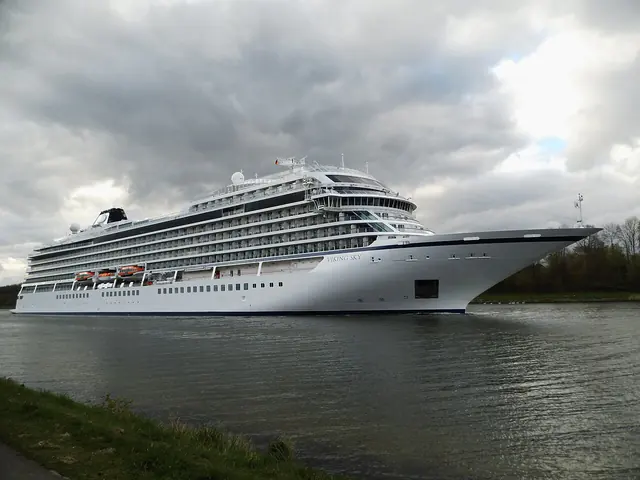
Viking Sky Near-Grounding
A near-grounding incident involving the cruise ship Viking Sky due to a total blackout caused by lubricating oil suction failure in all operating diesel generators during heavy weather. The vessel experienced loss of propulsion and steering, requiring emergency anchoring and a massive helicopter evacuation of over 1,300 persons.
10 min readmin lesing · 2,096 wordsord
No articles match the filter.Ingen artikler passer filteret.
13 of these articles have a photograph from Wikimedia Commons, used under an open licence.13 av disse artiklene har et fotografi fra Wikimedia Commons, brukt under en åpen lisens. Photographers and licencesFotografer og lisenser